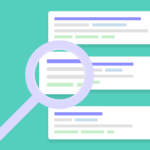
Indexing is how Google stores your pages so they can show up in search. If a page isn’t indexed, it doesn’t exist to Google, no matter how good it is.
This is where many sites struggle. They publish content, wait, and see nothing happen.
Indexing is not the same as ranking. First, Google has to find your page. Then it decides whether to include it in its index.
Only after that can it rank. If your page never makes it into the index, it has zero chance of getting traffic.
The process is simple on the surface. Google crawls your site to discover pages. It indexes the pages it trusts and understands. Then it ranks them based on relevance and quality.
Problems can happen at any step, but most issues come down to pages not getting indexed at all.
Google also doesn’t index everything. It filters aggressively. Thin content, weak signals, poor structure, or technical mistakes can all stop a page from being included.
This is normal, but it means you need to be intentional.
Sometimes indexing happens quickly. Other times, it takes days or weeks. And in many cases, nothing happens unless you take action.
In this guide, you’ll learn exactly why your pages aren’t being indexed and how to fix it step by step.
How Google Indexing Actually Works
Understanding how indexing works removes a lot of guesswork.
Once you see the process clearly, it becomes easier to spot where things are going wrong and how to fix them.
Crawling vs Indexing vs Ranking
Google Search works in three main steps. Each one depends on the step before it.
Crawling is the discovery phase. Google uses bots (often called “spiders”) to scan the web and find pages.
These bots follow links from one page to another. If your page has no links pointing to it, Google may never find it.
Indexing is the next step. After Google crawls a page, it tries to understand the content. It looks at text, images, structure, and signals like internal links.
If the page meets Google’s standards, it gets added to the index, which is a massive database of web pages.
If it doesn’t meet those standards, it gets ignored.
Ranking happens after indexing. Google decides where your page should appear in search results based on relevance and quality.
This is where SEO efforts like keyword targeting and backlinks matter most.
But here’s the key point: If your page is not indexed, ranking is impossible.
That’s why indexing issues are so critical. They block everything else.
How Google Finds Pages
Google doesn’t magically know your pages exist. It has to discover them first.
The most important way it does this is through internal links.
When one page on your site links to another, it creates a path for Google to follow.
Pages that are linked from your homepage or other indexed pages are much easier for Google to find and crawl. This is why strong internal linking often leads to faster indexing.
External links also play a role. When another website links to your page, it acts as a signal that your content exists and may be worth crawling.
These links can speed up discovery, especially for new sites.
Sitemaps are another method, but they work differently. A sitemap is simply a list of URLs you want Google to know about. It helps guide Google, but it does not force indexing.
Submitting a sitemap tells Google, “These pages exist.” It does not guarantee, “These pages will be indexed.”
This is a common misunderstanding. Many site owners rely too heavily on sitemaps while ignoring internal linking and content quality.
In reality, Google prioritizes links over sitemaps when deciding what to crawl.
Why Google Chooses NOT to Index Pages
Google’s goal is to keep its index useful. That means it actively filters out pages that don’t meet certain standards.
As we touched on earlier, one of the biggest reasons is low-quality content.
If a page has little value, lacks depth, or doesn’t clearly answer a question, Google may crawl it but choose not to index it.
This often shows up as “Crawled – currently not indexed” in Search Console.
Duplicate content is another common issue. If multiple pages have very similar or identical content, Google will usually pick one version and ignore the rest.
Without clear signals, it may even choose the wrong version.
Technical problems can also block indexing. These include:
- Pages accidentally set to “noindex”
- Incorrect canonical tags
- Robots.txt blocking access
- Broken redirects or soft 404 errors
Even small technical mistakes can prevent a page from being indexed.
There’s also something called crawl prioritization. Google doesn’t have unlimited resources, so it decides which pages are worth spending time on.
If your site has many low-value pages, Google may delay or skip crawling important ones.
This is why quality and structure matter. A clean, well-linked site with useful content is easier for Google to trust and index.
Types of Indexing Issues (Search Console Breakdown)
When pages aren’t indexed, the reason is usually already visible in Google Search Console.
The Coverage (or Pages) report groups issues into clear categories. Each one points to a different problem.
If you understand what each status means, you can stop guessing and start fixing the right thing.
1. Discovered – Currently Not Indexed
This status means Google knows the page exists but hasn’t crawled it yet.
Your URL has been found, usually through a sitemap or internal link, but Google hasn’t visited the page.
This is not always a problem. Sometimes it just means Google hasn’t gotten to it yet.
However, if pages stay in this state for too long, it usually points to deeper issues.
The most common causes are:
- Weak internal linking (page is hard to reach)
- Low site authority (Google prioritizes other sites first)
- Too many low-value pages are competing for crawl attention
- Large sites with poor structure
Think of it as being in line. Google sees your page, but it doesn’t think it’s important enough to visit right now.
To fix this, you need to:
- Add strong internal links from indexed pages
- Reduce unnecessary or low-quality pages
- Make sure the page is included in your sitemap
This is a prioritization issue, not a rejection.
2. Crawled – Currently Not Indexed
This status is more serious. It means Google visited your page, reviewed it, and decided not to index it.
In other words, your page was evaluated and rejected.
The most common reason is content quality.
Google may skip indexing if the page:
- Doesn’t provide enough value
- Feels too similar to other pages
- Doesn’t match clear search intent
- Lacks depth or originality
This often happens with thin blog posts, AI-generated content without editing, or pages targeting very similar keywords.
Another cause can be weak signals. If a page has no internal links pointing to it, Google may assume it’s not important, even after crawling it.
To fix this, focus on improving the page itself:
- Add useful, specific information
- Make the content clearer and more complete
- Link to the page from stronger pages on your site
Submitting the page again without improving it rarely works. The issue is not discovery, but its quality.
3. Excluded Pages
“Excluded” is a broad category. It usually means Google intentionally chose not to index a page based on signals from your site.
Some exclusions are normal. Others need attention.
One common reason is duplicate content. When multiple pages have very similar content, Google will choose one version and ignore the rest. This helps avoid clutter in search results.
Canonical issues are closely related. A canonical tag tells Google which version of a page should be indexed.
If this is set incorrectly, Google may ignore the page you actually want indexed.
Another frequent cause is the noindex tag. This is a direct instruction telling Google not to index a page.
Sometimes this is intentional, but it’s also a common mistake, especially on new sites or during development.
Other examples in this category include:
- Alternate pages with proper canonical tags
- Filtered or parameter-based URLs
- Duplicate pages with slight variations
The key here is intent. Some excluded pages are fine. But if important pages are excluded, you need to review:
- Canonical tags
- Page duplication
- Indexing settings
4. Not Indexed Due to Technical Errors
Technical issues can completely block indexing, even if your content is strong.
One of the most common problems is robots.txt blocking. This file tells search engines which parts of your site they can or cannot crawl.
If a page is blocked here, Google won’t even access it.
Another issue is redirect errors. If a page redirects incorrectly, such as redirect chains or loops, Google may give up before reaching the final page.
Soft 404s are also a frequent problem. This happens when a page looks like it has content but actually provides no real value.
For example, a page that says “no results found” but still returns a normal status code. Google treats these as empty pages and avoids indexing them.
Other technical causes include:
- Server errors (5xx issues)
- Broken pages
- Incorrect status codes
These problems are often overlooked because they aren’t visible on the page itself. But they can completely stop indexing.
To fix them, you need to:
- Check crawl reports in Search Console
- Test URLs directly
- Ensure pages return the correct status codes
- Remove unnecessary redirects
Root Causes of Indexing Problems
Most indexing issues don’t happen randomly. They come from a few core problems that affect how Google sees your site.
If you fix these, you solve the majority of indexing failures.
1. Poor Internal Linking Structure
Internal linking is one of the strongest signals you control.
Google uses links to discover pages and understand their importance.
If a page has no internal links pointing to it, Google may never find it or may treat it as unimportant even if it does.
Pages that are buried deep in your site structure are harder to crawl. Pages linked from your homepage or key category pages are crawled faster and more often.
This is why structure matters.
A common mistake is publishing content without linking to it. The page exists, but nothing points to it. From Google’s perspective, it’s disconnected.
Another issue is broken internal links. When a link leads to a page that no longer exists or returns an error, it creates a dead end.
Google’s crawler stops there. Over time, this weakens your site’s overall crawl efficiency.
You also want to avoid “orphan pages.” These are pages with no internal links at all.
Even if they are in your sitemap, Google may ignore them because they lack real connections within your site.
To fix internal linking:
- Link new pages from already indexed pages
- Keep important pages close to your homepage (fewer clicks away)
- Regularly check and fix broken links
- Use clear, relevant anchor text
A strong internal linking structure helps Google move through your site naturally. It also signals which pages matter most.
If you want a deeper breakdown, see Internal Linking for Faster Indexing.
2. Weak or Thin Content
Google does not index every page it crawls. It filters out pages that don’t add enough value.
Thin content is one of the main reasons pages are skipped.
This includes:
- Very short pages with little useful information
- Content that repeats what already exists elsewhere
- Pages that don’t clearly answer a question
- Generic content with no unique insight
If your page looks similar to many others online, Google has no reason to include it.
It’s not about word count. It’s about usefulness.
A short page can be indexed if it solves a problem clearly. A long page can be ignored if it says nothing new.
Another issue is the lack of unique signals. Google looks for signs that your content stands out. This can include:
- Clear structure and formatting
- Specific examples
- Original explanations
- Strong alignment with search intent
Without these signals, your page blends in.
This is why many new sites struggle. They publish content, but it doesn’t stand out enough to be indexed.
To improve content quality:
- Focus on one clear topic per page
- Answer the search intent directly
- Add depth where needed, not filler
- Avoid repeating the same ideas across multiple pages
Every page should have a reason to exist.
If you’re unsure what works best, review Best Content Types for New Site Indexing.
3. Duplicate Content & Canonical Issues
Duplicate content creates confusion.
When multiple URLs show the same or very similar content, Google has to choose which version to index. It will usually pick one and ignore the rest.
This becomes a problem when the wrong version gets indexed, or none at all.
Duplicate content can happen in simple ways:
- HTTP vs HTTPS versions
- URLs with and without trailing slashes
- Parameter-based URLs (like filters or tracking links)
- Similar blog posts targeting the same topic
Even small differences in URLs can create separate pages in Google’s eyes.
To manage this, Google uses canonical tags. These tell Google which version of a page should be treated as the main one.
If the canonical tag is set correctly, Google consolidates signals and indexes the preferred page.
If it’s set incorrectly, Google may:
- Ignore the page you want indexed
- Index a weaker version instead
- Skip indexing altogether due to mixed signals
Another issue is unintentional duplication across your own content.
For example, creating multiple articles that target nearly identical keywords. This splits your authority and weakens indexing signals.
To fix duplicate and canonical issues:
- Use one clear URL for each piece of content
- Set canonical tags correctly
- Avoid publishing multiple pages on the same topic without clear differences
- Consolidate similar pages when needed
Clarity helps Google make decisions faster. Confusion slows everything down.
4. Sitemap Misconfiguration
A sitemap helps Google find your pages. But it only works if it’s set up correctly.
Many sites either leave pages out or include the wrong ones. Both can slow down indexing.
Missing pages are a common issue. If important URLs are not in your sitemap, you’re relying only on internal links for discovery.
That can delay crawling, especially on new or low-authority sites.
At the same time, including the wrong URLs causes problems. This includes:
- Pages set to noindex
- Redirected URLs
- Duplicate or parameter-based pages
- Low-value or thin content
When your sitemap is filled with weak or irrelevant pages, it sends mixed signals. Google may spend time crawling pages that don’t matter, while ignoring the ones that do.
Another mistake is over-relying on the sitemap.
Submitting a sitemap does not guarantee indexing.
It only tells Google where pages are. Google still decides whether those pages are worth indexing based on quality and signals.
If your content is weak or poorly linked, the sitemap won’t fix that.
To improve your sitemap:
- Include only indexable, high-value pages
- Remove duplicates, redirects, and excluded URLs
- Keep it updated as you publish or remove content
- Make sure all sitemap URLs match your preferred canonical versions
A clean sitemap supports indexing. A messy one slows it down.
5. Crawl Budget Waste
Google does not crawl your entire site equally. It allocates a limited amount of attention, often called a crawl budget.
If your site has too many low-value pages, that budget gets wasted.
This happens when Google spends time crawling pages that don’t need to be indexed, such as:
- Thin or low-quality content
- Filtered or parameter-based URLs
- Duplicate pages
- Tag or archive pages with little value
When this happens, important pages may be crawled less often, or not at all.
This is more noticeable on larger sites, but it can affect smaller sites too if the structure is messy.
Crawl budget waste creates a bottleneck. Google gets busy with unimportant pages and delays indexing your key content.
To reduce this:
- Remove or noindex low-value pages
- Limit unnecessary URL variations
- Keep your site structure simple and focused
- Ensure important pages are easy to reach through internal links
The goal is simple. Make it easy for Google to spend time on the pages that matter.
6. Lack of Authority / Backlinks
Authority plays a role in how quickly your pages are discovered and indexed.
New sites often struggle because they have little to no backlinks. Without external signals, Google has fewer reasons to prioritize crawling your pages.
Backlinks act as entry points. When other websites link to your content, they help Google find it faster. They also signal that your content may be worth indexing.
Without backlinks, indexing is still possible, but slower.
In this case, Google relies more on:
- Internal linking
- Sitemap signals
- Overall site structure
If these are weak, discovery slows down even more.
This is why new websites often see pages stuck in “Discovered – currently not indexed.” Google knows the pages exist, but doesn’t prioritize them.
To improve this:
- Build strong internal links first
- Publish content that is worth referencing
- Focus on clarity and usefulness
- Gradually earn backlinks over time
You don’t need backlinks to get indexed. But they do speed things up.
For a deeper breakdown, see Indexing Without Backlinks: Is It Possible?.
How to Fix Indexing Issues Step-by-Step (Action Framework)
Fixing indexing problems is not about guessing. It’s about following a clear process and solving the right issue at the right time.
If you skip steps or apply random fixes, you waste time and often make things worse. This framework keeps everything focused and controlled.
Step 1: Audit Your Pages
Start with data, not assumptions.
Open your Google Search Console and go to the Pages (or Coverage) report. This is where Google tells you exactly what’s happening with your URLs.
You’ll see categories like:
- Discovered – currently not indexed
- Crawled – currently not indexed
- Excluded
- Indexed
Each category represents a different problem. Don’t treat them the same.
Instead, look for patterns.
For example:
- Are most pages stuck in “Discovered”? That points to crawl or linking issues.
- Are there many pages “Crawled but not indexed”? That usually signals content quality problems.
- Are key pages excluded? That could be technical or canonical issues.
Avoid fixing pages one by one without understanding the bigger picture. Indexing issues are rarely isolated. They tend to affect groups of pages for the same reason.
Next, click into each issue type and review sample URLs. Look at:
- Page content quality
- Internal links pointing to the page
- Indexing settings (noindex, canonical, etc.)
You’re not trying to fix anything yet. You’re identifying why the issue exists.
Once you see the pattern, the solution becomes much clearer.
Step 2: Improve Internal Linking
After your audit, the next step is strengthening how your pages are connected.
Internal linking is one of the fastest ways to improve indexing because it directly affects how Google crawls your site.
Start with your most important pages.
Make sure they are linked from:
- Your homepage
- Main category pages
- Other already indexed pages
If a page has no internal links, fix that first. It should never be isolated.
Then look at depth. Pages that are too many clicks away from your homepage are harder for Google to reach. Try to keep important content within a few clicks.
Also, pay attention to link placement.
Links placed naturally within content are more effective than links buried in footers or sidebars. They provide context and signal relevance.
Anchor text matters too. Use clear, descriptive phrases so Google understands what the page is about. Avoid vague terms like “click here.”
Another important step is linking from indexed pages to non-indexed pages. This creates a direct path for Google to follow and often speeds up crawling.
At the same time, clean up weak areas:
- Fix broken internal links
- Remove unnecessary links to low-value pages
- Avoid linking to pages you don’t want indexed
Always make your site easy to navigate for both users and search engines.
For a deeper strategy, see Internal Linking for Faster Indexing.
Step 3: Optimize Your Sitemap
Once your internal linking is in place, your sitemap should support it and not contradict it.
Your sitemap should act as a clean guide to your most important pages. Nothing more.
Start by reviewing what’s currently included.
Remove any URLs that:
- Are not meant to be indexed
- Redirect to other pages
- Contain duplicate or parameter variations
- Have little or no value
Including these pages wastes crawl attention and weakens your overall signals.
Next, make sure all important pages are included. If a page matters, it should be in your sitemap and properly linked internally.
Consistency is key. Your sitemap URLs should match:
- Your canonical URLs
- Your preferred domain version (HTTPS, non-www, or www)
Any mismatch creates confusion.
Keep your sitemap updated as you publish new content. If pages are added or removed, reflect that change quickly.
Also, avoid relying on your sitemap as your main indexing strategy. It’s a supporting tool, not a solution on its own.
Google still depends more on internal links and content quality when deciding what to index.
A clean sitemap helps Google understand your site structure faster. A messy one slows everything down.
If you want a step-by-step setup, see How to Create an Index-Friendly Sitemap.
Step 4: Fix Technical Errors
Technical issues can stop indexing completely, even when everything else is done right. These are often simple to fix, but easy to miss.
Start by checking for noindex tags. This tag tells Google not to include a page in its index.
It’s useful for pages like admin areas or duplicates, but it’s also a common mistake. If an important page has a noindex tag, it will never appear in search.
Next, review your robots.txt file. This file controls what Google is allowed to crawl.
If key pages or folders are blocked here, Google won’t even access them. No crawling means no indexing.
Be careful when making changes. A single incorrect rule can block large parts of your site.
Then look at redirects.
Redirects are useful when moving or updating pages, but they must be clean and direct. Problems happen when:
- Redirect chains are too long
- Redirect loops exist
- Pages redirect to irrelevant URLs
These issues confuse Google and waste crawl time. In some cases, Google may stop trying to reach the final page.
Each important page should return a clear 200 status code (meaning it loads normally), without unnecessary redirects.
Also check for:
- Broken pages (404 errors)
- Server issues (5xx errors)
- Soft 404s (pages with little or no real content)
Fixing technical errors removes hard barriers. Without this step, other improvements won’t have a full effect.
Step 5: Improve Content Quality
Once technical issues are fixed, focus on the content itself.
If Google crawls your page but doesn’t index it, the problem is often quality.
Start by adding depth.
This doesn’t mean making content longer for the sake of it. It means covering the topic clearly and fully.
Answer the main question. Then address related points that help the reader understand it better.
Next, improve uniqueness.
If your page says the same thing as many others, Google has no reason to include it. You need to offer something slightly better, clearer, or more useful.
This can be:
- Simpler explanations
- Better structure
- More direct answers
- Practical steps instead of theory
Small improvements make a difference.
Then check search intent.
Ask yourself: what is the user trying to do when they search this topic?
If your page doesn’t match that intent, it won’t be indexed or ranked well.
For example, a general overview won’t perform well if users are looking for step-by-step instructions.
To fix this:
- Align your content with the actual query
- Remove unnecessary sections that don’t serve the intent
- Make key answers easy to find
Quality is not about perfection. It’s about usefulness and clarity.
When your content solves a problem better than alternatives, indexing becomes much easier.
Step 6: Request Indexing (Correctly)
Requesting indexing can help, but only in the right situations.
Use it when:
- You’ve just published or updated a page
- You’ve fixed a clear issue
- The page is already strong in quality and structure
You can request indexing through Google Search Console’s URL Inspection tool. This asks Google to re-crawl the page.
However, this step is often misunderstood.
Requesting indexing does not guarantee indexing. It only puts your page back in line for review. Google still decides whether the page deserves to be indexed.
If the page has weak content, poor linking, or technical issues, submitting it again won’t fix anything.
There are also limits. You can’t submit large numbers of URLs repeatedly and expect results. Overuse has little impact.
Think of this step as a nudge, not a solution.
Before requesting indexing, make sure:
- The page is internally linked
- There are no technical blocks
- The content is worth indexing
If those are in place, the request can speed things up.
For proper usage, see How to Request Indexing Properly.
If it’s not working, review When Request Indexing Does NOT Work.
Step 7: Force Discovery (Safely)
If Google isn’t finding your pages quickly, you can help it without using risky methods.
Start with internal links.
Link to new pages from pages that are already indexed and crawled often.
This creates a direct path for Google to follow. It’s the safest and most reliable method.
Next, use social signals.
Sharing your page on platforms like Twitter, LinkedIn, or niche communities can lead to faster discovery.
While these links may not pass strong ranking signals, they can still expose your page to crawlers.
Another method is strategic exposure.
This includes:
- Linking from high-traffic pages on your site
- Adding the page to navigation or category sections
- Getting initial mentions from other websites
These actions increase visibility and help Google prioritize your page.
Avoid shortcuts like spammy link building or automated submissions. These can harm your site and slow indexing in the long run.
For safe and effective methods, see How to Force Google to Discover New Pages (Safely).
Indexing Strategy for New Websites
New websites face a different challenge. Google doesn’t know your site yet, so it moves more slowly and is more selective. This is normal.
The goal is not to rush indexing. The goal is to build clear signals so Google understands your site quickly and trusts what it finds.
How Many Pages to Publish First
Many new site owners ask the same question: how many pages should I publish before expecting results?
The short answer is: enough to show structure and value, but not as many as possible.
Publishing a large number of weak pages does not help. It often slows indexing because Google sees too many low-value URLs at once.
Instead, focus on quality over quantity.
Start with a small set of strong pages that:
- Cover clear topics
- Provide useful information
- Are internally linked together
This leads to the second key idea: topical clusters.
Rather than publishing random posts, group related content together. For example:
- One main topic (pillar page)
- Several supporting articles around that topic
This structure helps Google understand what your site is about. It also improves crawling because pages are connected logically.
A site with 10 well-structured pages often performs better than one with 50 disconnected ones.
Keep your initial content focused and intentional. Once those pages are indexed, you can expand.
For a deeper breakdown, see How Many Pages Should a New Site Publish First?
Does Publishing Frequency Matter?
Publishing frequency does play a role, but not in the way most people think.
Google does not reward you for posting daily if the content is weak. What matters more is consistency and quality over time.
When you publish regularly, you create a pattern. Google’s crawler learns that your site updates often and may visit more frequently.
But this only works if your content is worth indexing.
Posting many articles in a short burst can actually slow things down. Google may:
- Delay crawling some pages
- Skip lower-quality pages
- Focus only on a few
This is especially common on new sites.
A better approach is steady publishing. For example:
- 2–4 high-quality posts per week
- Each properly linked and optimized
This gives Google time to crawl, evaluate, and index your content without overload.
Over time, consistent publishing builds trust. It also strengthens your internal linking structure as your site grows.
The key is balance. Publish often enough to stay active, but not so fast that quality drops.
For more details, see Does Publishing Frequency Affect Indexing?
Best Content Types for Indexing Fast
Not all content gets indexed at the same speed.
Some types naturally perform better, especially on new sites.
The most reliable type is informational content.
These are pages that answer clear questions or explain specific topics.
They match what users are searching for, which makes them easier for Google to evaluate and include.
Examples include:
- “How-to” guides
- Explanations of common problems
- Step-by-step tutorials
Next are long-form guides.
These pages cover a topic in depth and often act as cornerstone content. They provide strong signals because they:
- Offer comprehensive information
- Attract internal links
- Help structure your site
These are ideal as pillar pages.
Finally, there is supporting cluster content.
These are smaller, focused articles that support a main topic. They:
- Target specific subtopics
- Link back to your main page
- Strengthen topical relevance
This combination of pillar + supporting content creates a clear structure that Google can understand quickly.
Avoid starting with:
- Very short, generic posts
- Pages with unclear purpose
- Content that overlaps heavily with other pages
These are more likely to be ignored.
If you want faster indexing, focus on clarity, usefulness, and structure.
For content ideas and formats, see Best Content Types for New Site Indexing.
Indexing Without Backlinks: Reality Check
It is possible to get pages indexed without backlinks.
But it usually takes longer.
Google can discover and index pages using your site alone. It follows internal links, reads your sitemap, and evaluates your content.
If everything is clear and well-structured, your pages can still make it into the index.
The difference is speed and priority.
Yes, It’s Possible—But Slower
Backlinks are not a requirement for indexing. Google has confirmed that pages can be indexed without them.
However, without external signals, your site has less visibility. Google has fewer entry points and fewer reasons to prioritize crawling your pages.
This is why new websites often experience delays. Pages sit in “Discovered” or “Crawled but not indexed” for longer periods.
Nothing is broken. There just isn’t enough signal yet.
That’s why relying only on time is not enough. You need to strengthen the signals you control.
Internal Linking, Sitemap, and Structure Matter More Early
When backlinks are missing, your internal setup becomes critical.
Start with internal linking.
Every important page should be linked from other indexed pages. This creates clear paths for Google to follow. It also shows which pages matter most.
Next is your site structure.
Pages should be grouped logically. Related content should link to each other. Important pages should not be buried deep in your site.
A clear structure helps Google understand your content faster. It also improves crawl efficiency.
Then comes your sitemap.
A clean sitemap supports discovery by listing your key pages. It should only include pages you want indexed and match your internal linking structure.
These three elements—internal links, structure, and sitemap—work together. When they are aligned, Google can move through your site smoothly, even without backlinks.
Backlinks Accelerate Discovery
While not required, backlinks make a noticeable difference.
When another site links to your page, it creates a new path for Google to find it. This often leads to faster crawling and indexing.
Backlinks also act as a trust signal. They suggest that your content may be worth including in the index.
This doesn’t mean you need many links. Even a few relevant backlinks can speed things up.
But backlinks should come naturally over time. Avoid forcing them through spammy methods. That can do more harm than good.
Focus first on building a strong site. Then let backlinks support your growth.
If your pages aren’t indexed and you don’t have backlinks, don’t panic.
Focus on what you control:
- Strong internal linking
- Clear site structure
- Useful content
These are enough to get started.
If you want a deeper breakdown, see Indexing Without Backlinks: Is It Possible?.
Over time, as your site grows and earns links, indexing will become faster and more consistent.
When Indexing Requests Fail
Requesting indexing feels like a quick fix. In reality, it’s often misunderstood.
Many pages get submitted again and again, without any change in the result.
Common Misconception
The biggest mistake is simple:
Request indexing = guaranteed indexing
It doesn’t work that way.
When you submit a URL in Google Search Console, you are only asking Google to re-crawl the page. You are not forcing it into the index.
Google still reviews the page and decides whether it should be included. If nothing has changed, the outcome usually stays the same.
This is why repeated submissions rarely help.
Why Indexing Requests Fail
If a page doesn’t get indexed after a request, there is always a reason. Most of the time, it comes down to one of three issues.
1. Low-Quality Content
If the content doesn’t offer enough value, Google will skip it.
This can happen when:
- The page is too thin
- The information is too basic or generic
- It doesn’t fully answer the user’s question
Even if the page is technically correct, it may not be strong enough compared to other content already indexed.
In this case, submitting the page again won’t help. The content itself needs improvement.
2. Duplicate or Overlapping Pages
If your page is too similar to another page, either on your site or elsewhere, Google may ignore it.
This often happens when:
- Multiple pages target the same keyword
- Content is slightly reworded but not meaningfully different
- URL variations create near-duplicates
Google avoids indexing duplicate content to keep search results clean.
If it’s unsure which version to choose, it may skip indexing altogether.
3. Weak Signals
Even a good page can be ignored if it lacks strong signals.
This includes:
- No internal links pointing to the page
- Poor placement within your site structure
- No external signals (like backlinks or mentions)
Without these signals, Google may not see the page as important.
As a result, it gets crawled but not indexed, or stays undiscovered longer than expected.
What to Do Instead
Before requesting indexing again, fix the underlying issue.
Ask yourself:
- Is this page clearly better or more useful than others?
- Is it properly linked from important pages?
- Does it have a clear purpose and topic?
If the answer is no, improve the page first.
Then request indexing.
This approach works because you’re giving Google a reason to change its decision, and not just asking it to try again.
For a deeper breakdown of failed requests and how to fix them, see When Request Indexing Does NOT Work.
When to Stop Waiting and Take Action
Waiting is part of indexing. But waiting too long without action can slow your progress.
The key is knowing when patience is normal, and when it’s a problem.
Timeline Expectations
Indexing does not happen instantly. Google needs time to crawl and evaluate your pages.
Here’s a simple way to judge what’s normal:
Days → Normal
New pages often take a few days to be crawled and indexed. This is expected, especially on smaller or newer sites.
Weeks → Investigate
If a page hasn’t been indexed after 1–3 weeks, start checking for issues. Look at Search Console and review the page’s status.
At this stage, delays often point to weak signals or minor problems.
Months → Serious Issue
If a page is still not indexed after a month or more, something is wrong. Google has likely seen the page and chosen not to include it.
At this point, waiting longer will not fix the problem.
Clear Action Triggers
Instead of guessing, look for specific signs that tell you it’s time to step in.
1. Page stuck for more than 2–4 weeks
If a page remains in “Discovered” or “Crawled but not indexed” for weeks, it needs attention. This usually means:
- Weak internal linking
- Low content quality
- Poor prioritization
2. Multiple pages affected
If several pages show the same issue, it’s not a one-page problem. It’s a site-wide pattern.
This could point to:
- Structural issues
- Content quality across multiple pages
- Sitemap or crawl inefficiencies
Fixing one page won’t solve it. You need to address the root cause.
3. No crawl activity
If Google isn’t crawling your page at all, the issue is discovery.
This often means:
- No internal links pointing to the page
- Poor site structure
- Low overall authority
In this case, focus on making the page easier to find, and not just better.
What to Do Next
Once you hit any of these triggers, take action instead of waiting.
Start by:
- Strengthening internal links
- Improving content clarity and usefulness
- Fixing any technical issues
- Updating your sitemap if needed
Then request indexing again, after changes are made.
The goal is not to rush Google. The goal is to give it a clear reason to change its decision.
If you’re unsure whether to wait or act, see When to Stop Waiting and Take Action for a deeper breakdown.
Advanced Indexing Optimization
Once the basics are in place, you can go further. These optimizations help Google crawl your site more efficiently and focus on the pages that matter.
They are not required for every site, but they make a noticeable difference as your content grows.
Crawl Budget Optimization
Google does not crawl every page equally. It decides how much time and effort to spend on your site. This is often called your crawl budget.
On smaller sites, this is less of a concern. But as your site grows, inefficient crawling can slow down indexing.
Problems happen when Google spends time on:
- Low-value pages
- Duplicate URLs
- Unnecessary variations
This reduces how often important pages are crawled.
To optimize crawl budget:
- Keep your site structure simple
- Avoid creating multiple URLs for the same content
- Ensure important pages are easy to reach
You want Google to spend its time where it matters most.
Removing Low-Value Pages
Not every page on your site needs to be indexed.
In fact, too many low-value pages can hurt overall indexing performance.
Examples of low-value pages include:
- Thin content with little useful information
- Tag or archive pages with no unique value
- Filtered or parameter-based URLs
- Old pages that no longer serve a purpose
When these pages remain indexable, they compete for crawl attention and dilute your site’s overall quality.
You have two main options:
- Improve the page so it adds value
- Or remove it from indexing (using noindex or deletion)
Cleaning up these pages helps Google focus on your strongest content.
HTML Sitemap Usage
An HTML sitemap is different from an XML sitemap.
Instead of being a file for search engines, it’s a visible page on your site that lists important links.
This helps in two ways:
- It gives Google another path to discover pages
- It improves internal linking, especially for deeper pages
An HTML sitemap is especially useful for:
- Larger sites
- Sites with complex structures
- Pages that are hard to reach through normal navigation
Keep it simple. Only include important, indexable pages. Group them clearly so both users and search engines can understand the structure.
It’s not a replacement for internal linking, but it strengthens it.
Content Clustering Strategy
Content clustering is one of the most effective ways to improve indexing and overall SEO.
Instead of publishing isolated pages, you organize content into groups.
Each cluster includes:
- One main page (pillar content)
- Several supporting pages that cover related subtopics
All pages within the cluster link to each other, with a strong focus on linking back to the main page.
This creates a clear structure.
Google can see:
- What your site is about
- How topics are connected
- Which pages are most important
Clusters also improve crawl efficiency. When Google finds one page, it can easily discover related pages through internal links.
Over time, this strengthens your site’s authority on that topic and improves both indexing and ranking.
Final Thoughts
Indexing is not automatic. Google doesn’t add pages just because they exist. It looks for clear signals before making that decision.
At its core, indexing is a system built on three things: structure, quality, and signals.
When these are strong, pages get indexed. When they are weak or unclear, pages get ignored.
Most indexing issues come down to a few common problems. Poor internal linking makes pages hard to find.
Weak content gives Google no reason to include them. Technical mistakes block access or create confusion.
The good news is that these are all fixable.
You don’t need shortcuts or guesswork. You need a clear approach. Audit your pages. Fix what’s broken. Strengthen what matters. Then give Google a reason to trust your content.
Indexing becomes predictable when your site is easy to crawl, and your content is worth indexing.
If you’re unsure where to begin, keep it simple: Start with internal linking and content quality first. Everything else builds on that.
FAQs
Pages are usually not indexed because they are new, have weak internal linking, low-quality content, or technical blocks like robots.txt or noindex tags. Google may also delay indexing if your site lacks authority or strong signals.
Indexing can take anywhere from a few days to several weeks. There is no guaranteed timeframe, and Google does not promise that every page will be indexed.
No. A sitemap helps Google discover pages, but it does not guarantee indexing. Google still decides whether a page is valuable enough to include.
No, you cannot force indexing. You can request indexing through Search Console, but Google will still evaluate the page and may choose not to index it if it lacks quality or signals.
Duplicate content does not always cause penalties, but it can prevent indexing. Google usually selects one version to index and ignores the rest, especially if there are no clear canonical signals.





I’m Alex Crawley, an SEO specialist with 7+ years of hands-on experience helping new websites get indexed on Google. I focus on simplifying technical indexing issues and turning confusing problems into clear, actionable fixes.