You’ve probably heard the phrase “indexed on Google” if you run a website or blog.
It shows up in SEO tools, tutorials, and Google Search Console, but it’s not always clear what it actually means.
Many people think indexing means their page will start getting traffic.
Others assume it happens automatically. Both ideas are only partly true, which leads to confusion and frustration.
In this guide, you’ll learn exactly what “indexed on Google” means in simple terms, how it works, and why it matters.
By the end, you’ll know how to check your pages and what to do if they’re not showing up.
If you’re just getting started, learn the basics of how Google indexing works to understand the full process.
What Does “Indexed on Google” Mean?
Being “indexed on Google” simply means your page has been discovered, understood, and stored in Google’s database so it can appear in search results.
Think of it as your page being added to a massive digital library where Google keeps copies of web pages it knows about.
When Google indexes your page, it doesn’t just save the URL, but it reads the content, tries to understand what it’s about, and decides where it might fit when someone searches.
This is very different from just being “published,” which only means your page is live on the internet.
A published page can exist without Google ever knowing it’s there, while an indexed page is one Google has officially recognized and can show to users.
A simple way to picture this is a library: publishing a page is like writing a book and leaving it at home, while indexing is like getting that book catalogued and placed on the library shelves so people can actually find it.
Without indexing, your content is invisible in search, no matter how good it is.
How Google Indexing Works
Crawling
Crawling is the first step, where Google sends out automated bots (often called Googlebot) to find pages across the internet.
These bots move from page to page by following links, which is why internal linking on your site matters more than most people think.
If a page has no links pointing to it, Google may never find it.
Another key path is your XML sitemap, which acts like a guide that tells Google which pages exist and should be checked.
When Googlebot lands on your page, it scans the content and the links on it, then decides which pages to visit next.
If your site is easy to navigate and properly linked, crawling becomes faster and more reliable.
Processing
Once a page is discovered, Google begins to process it. This step is about understanding what your page is actually saying.
Google looks at your text, headings, keywords, images, and overall structure to figure out the topic and intent.
It also checks quality signals, such as whether the content is original, useful, and clear.
At the same time, Google reviews technical elements like page speed, mobile usability, and whether anything is blocking access.
If your content is thin, duplicated, or hard to read, Google may decide it’s not worth moving forward. This step is where clarity and quality make a real difference.
Indexing
If your page passes the processing stage, it moves into indexing. This means Google stores the page in its database and makes it eligible to appear in search results.
However, indexing is not guaranteed just because a page was crawled. Google only indexes pages it believes are valuable and relevant.
Once indexed, your page can start showing up for searches, but where it ranks depends on many other factors.
The key takeaway is simple: crawling gets you discovered, processing determines your value, and indexing is what makes your page visible.
Why Indexing Matters for Your Website
Indexed Pages Can Appear in Search Results
Indexing is what allows your page to show up when someone searches on Google.
If your page is indexed, it becomes eligible to appear for relevant keywords, which means people can actually find it. This is the starting point of visibility.
Without indexing, your content is invisible to search users, no matter how helpful or well-written it is.
Even a perfectly optimized page cannot perform if it’s not in Google’s index.
No Indexing = No Organic Traffic
Organic traffic depends entirely on your pages being indexed. If a page is not indexed, it cannot rank, and if it cannot rank, it will not receive traffic from Google.
This is why many site owners feel stuck—they publish content but see no results, often because their pages were never indexed in the first place.
Before worrying about rankings, keywords, or backlinks, you need to confirm that your pages are actually included in Google’s database.
Foundation of SEO Performance
Indexing is the base layer of SEO. Every other effort, like content creation, keyword targeting, technical improvements, and link building, depends on it.
If indexing is not in place, none of those efforts can deliver results.
When your pages are consistently indexed, you create a strong foundation that allows your SEO strategy to work as intended.
This puts you in control, because you’re no longer guessing, and you’re building on something Google can actually see and use.
How to Check If Your Page Is Indexed
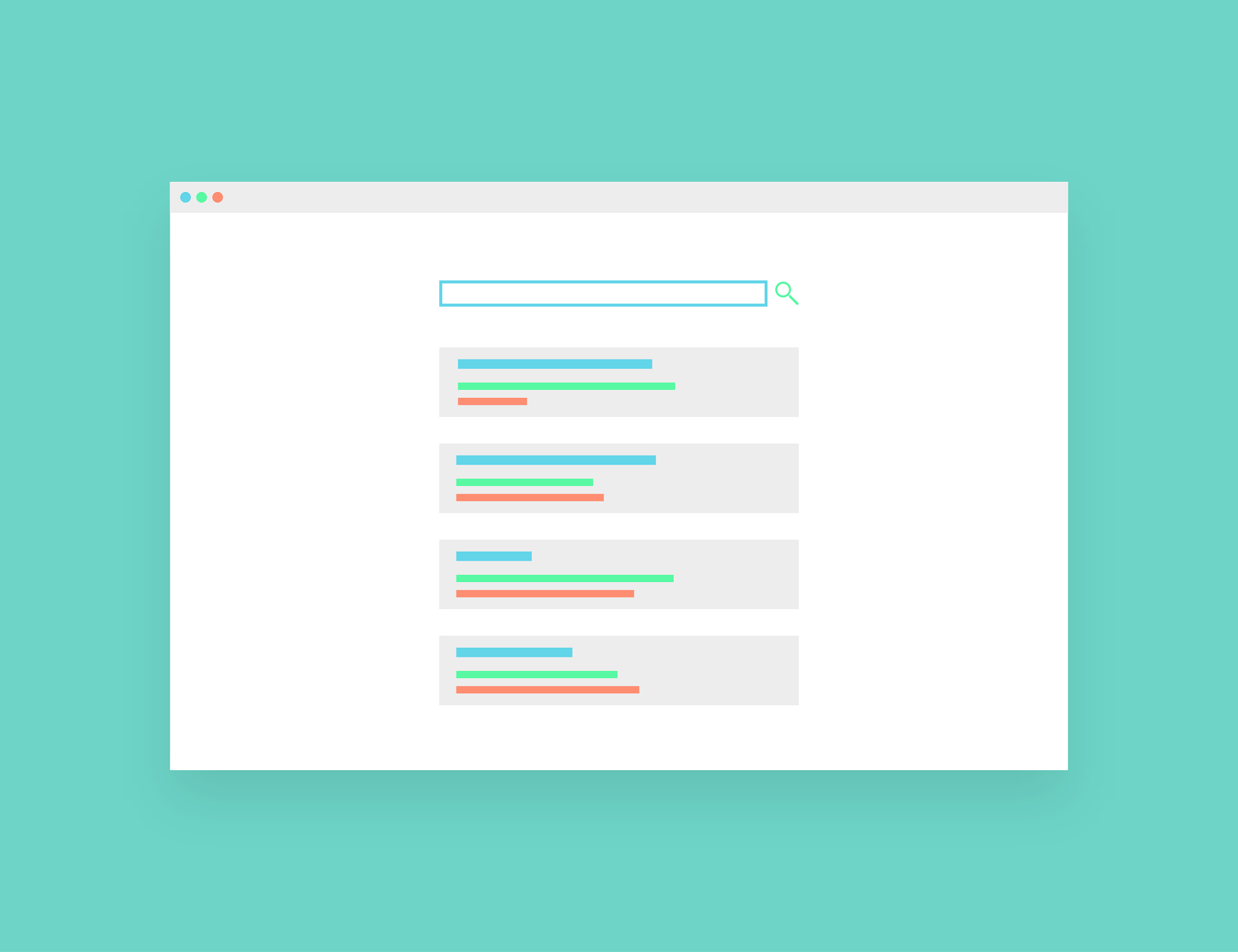
Use Google Search (site: Search Operator)
The quickest way to check indexing is by using Google itself.
Type site:yourdomain.com/page-url into the search bar and hit enter.
If your page appears in the results, it is indexed. If nothing shows up, Google has not added that page to its index yet.
This method is fast and works without any tools, but it’s not always perfect because it doesn’t show detailed reasons or status updates.
It simply gives you a yes-or-no answer, which is useful for a quick check.
Use Google Search Console (URL Inspection Tool)
For a more accurate and detailed result, use the URL Inspection tool inside Google Search Console.
Paste your page URL into the tool, and it will tell you exactly what Google knows about that page.
You’ll see whether the page is indexed, when it was last crawled, and if there are any issues preventing indexing.
If the page is not indexed, the tool often provides a clear reason, such as “Crawled – currently not indexed” or “Discovered – currently not indexed,” which helps you understand what’s going wrong.
What the Results Mean (Indexed vs Not Indexed)
If your page is marked as indexed, it means Google has stored it, and it can appear in search results. This does not guarantee rankings, but it confirms your page is visible to Google.
If your page is not indexed, it means Google either hasn’t processed it yet or has chosen not to include it.
This is where you need to take action. Check for issues like low-quality content, missing links, or technical blocks.
Common Reasons Pages Don’t Get Indexed
Noindex Tags
A noindex tag tells Google not to include a page in its index. This is often added by mistake, especially when using SEO plugins or templates.
If this tag is present, Google can still crawl the page, but will not store it.
Checking your page settings or source code for “noindex” is one of the first things you should do if a page isn’t showing up.
Poor or Thin Content
Google avoids indexing pages that offer little value. If your content is too short, unclear, or doesn’t fully answer a topic, it may be skipped.
Pages with copied or low-effort text are also less likely to be indexed.
Focus on making your content useful, specific, and easy to understand so Google sees it as worth including.
Duplicate Content
If multiple pages on your site (or across the web) have very similar content, Google may choose to index only one version. The others can be ignored.
This often happens with product pages, category filters, or reused blog content. Using clear, original content and proper canonical tags helps prevent this issue.
Lack of Internal Links
Pages that are not linked from other parts of your site are hard for Google to find. These are often called “orphan pages.”
If Google cannot easily discover a page through links, it may never crawl or index it.
Adding internal links from relevant pages helps guide Google to your content and signals that it matters.
Crawl Issues (Blocked by robots.txt)
Your robots.txt file controls which parts of your site Google can access. If a page is blocked here, Google cannot crawl it, which means it cannot be indexed.
This can happen accidentally, especially on new or redesigned sites. Reviewing your robots.txt file ensures you’re not blocking important pages.
New Website or Domain Delays
New websites often take time to build trust with Google. Even if everything is set up correctly, indexing may not happen immediately.
Google crawls newer sites less frequently at first, which slows things down. This is normal.
Staying consistent with publishing content, improving site structure, and building links will help speed up the process over time.
How to Get Your Pages Indexed Faster
Submit URL in Google Search Console
The fastest way to get Google’s attention is to manually submit your page using the URL Inspection tool in Google Search Console.
After entering your URL, you can request indexing, which signals to Google that the page is ready to be crawled.
This doesn’t guarantee instant indexing, but it often speeds up the process, especially for new or recently updated pages.
Use this for important pages rather than every minor update.
Create and Submit an XML Sitemap
An XML sitemap acts as a roadmap of your website. It lists your important pages and helps Google discover them more efficiently.
Once created, you can submit it through Google Search Console, so Google knows where to look.
This is especially useful for larger sites or pages that aren’t easily found through links.
Keeping your sitemap updated ensures new content is consistently visible to Google.
Improve Internal Linking
Internal links guide Google through your website. When you link to a new page from existing, already-indexed pages, you make it easier for Google to find and crawl it.
This also signals that the page has value within your site structure.
Adding links from relevant content, navigation menus, or category pages can make a noticeable difference in how quickly a page gets indexed.
Publish High-Quality, Original Content
Google prioritizes pages that provide clear, useful, and unique information.
If your content solves a problem or answers a question better than others, it is more likely to be indexed quickly. Thin or repeated content slows things down.
Focus on depth, clarity, and originality so Google sees your page as worth adding to its index.
Build Backlinks
Backlinks from other websites act as signals of trust and discovery. When another site links to your page, it creates a new path for Google to find it.
Strong backlinks can speed up both crawling and indexing, especially if they come from established sites.
Even a few relevant links can help Google take your page more seriously.
Ensure Proper Technical Setup
Technical issues can block indexing even if everything else is done right.
Make sure your page is not blocked by robots.txt, does not contain a noindex tag, and loads properly on both desktop and mobile devices.
Fast loading speeds and a clean site structure also help Google process your page more efficiently.
Fixing these basics puts you in control and removes common barriers that delay indexing.
Indexed vs Ranking: What’s the Difference?
Indexed = Eligible to Appear
When a page is indexed, it means Google has stored it and can show it in search results.
This is the entry point. Your page is now part of Google’s system and can be considered when someone searches for related topics.
However, being indexed does not mean your page will actually be seen by users. It only means it has the chance to appear.
Ranking = Position in Search Results
Ranking is where your page shows up in search results compared to other pages. This is what determines visibility and traffic.
Pages that rank higher get more clicks, while pages buried on later pages get little to no attention.
Ranking depends on many factors, including content quality, relevance, backlinks, and user experience.
Unlike indexing, which is a yes-or-no state, ranking is competitive and constantly changing.
Why a Page Can Be Indexed but Not Rank Well
It’s common for a page to be indexed but still receive no traffic. This usually happens when the content is not strong enough compared to other pages targeting the same topic.
It can also be due to weak keyword targeting, lack of backlinks, or poor content structure. In some cases, the page may not match what users are actually searching for.
Long story short: indexing gets you in the game, but ranking determines whether you win visibility.
How Long Does Indexing Take?
Indexing can happen quickly, or it can take time. In some cases, a page is indexed within a few hours. In others, it can take several days or even weeks.
There is no fixed timeline because Google decides when to crawl and index each page based on multiple signals.
Typical Timelines
- A few hours to 1–2 days: Common for established websites with strong authority
- Several days to a week: Normal for most active websites
- 1–3+ weeks: More likely for new sites or low-priority pages
If your page is not indexed right away, it does not always mean something is wrong. It often just means Google hasn’t prioritized it yet.
Factors That Affect Indexing Speed
Site Authority
Websites with stronger authority are crawled more often. If your site is trusted and regularly updated, Google is more likely to discover and index new pages quickly.
New or inactive sites usually experience slower indexing because Google visits them less frequently.
Content Quality
High-quality, original content gets indexed faster. If your page is clear, useful, and different from existing content, Google is more likely to add it to the index sooner.
Low-value or duplicate content can delay or even prevent indexing.
Crawl Frequency
Google does not crawl every website at the same rate. Some sites are checked multiple times a day, while others are crawled less often.
How frequently your site is crawled depends on factors like update consistency, site structure, and overall trust.
The more regularly Google visits your site, the faster your new pages can be indexed.
Final Thoughts
Indexing is the first step in SEO. If your page isn’t indexed, nothing else matters—no rankings, no traffic, no visibility.
Make it a habit to check your pages and fix issues early. This keeps your site moving forward and prevents wasted effort.
Keep it simple: if it’s not indexed, it doesn’t exist on Google.
To see the bigger picture, read this complete guide to indexing basics and how everything fits together.
FAQs
It means Google has seen your page but chose not to store it in its index. This usually happens when the content is low quality, too similar to other pages, or not useful enough.
Yes. Pages can be removed manually (using tools like Google Search Console) or automatically if Google finds issues like poor quality, duplication, or noindex tags.
Google updates its index constantly. Some pages are updated within hours, while others take days or weeks, depending on how often the site is crawled.
No. Submitting a URL only asks Google to review the page. Google still decides whether the page is worth indexing.
Your page may not rank well. This can happen due to weak content, poor keyword targeting, or strong competition. Indexing gets you listed; ranking gets you traffic.





I’m Alex Crawley, an SEO specialist with 7+ years of hands-on experience helping new websites get indexed on Google. I focus on simplifying technical indexing issues and turning confusing problems into clear, actionable fixes.