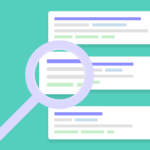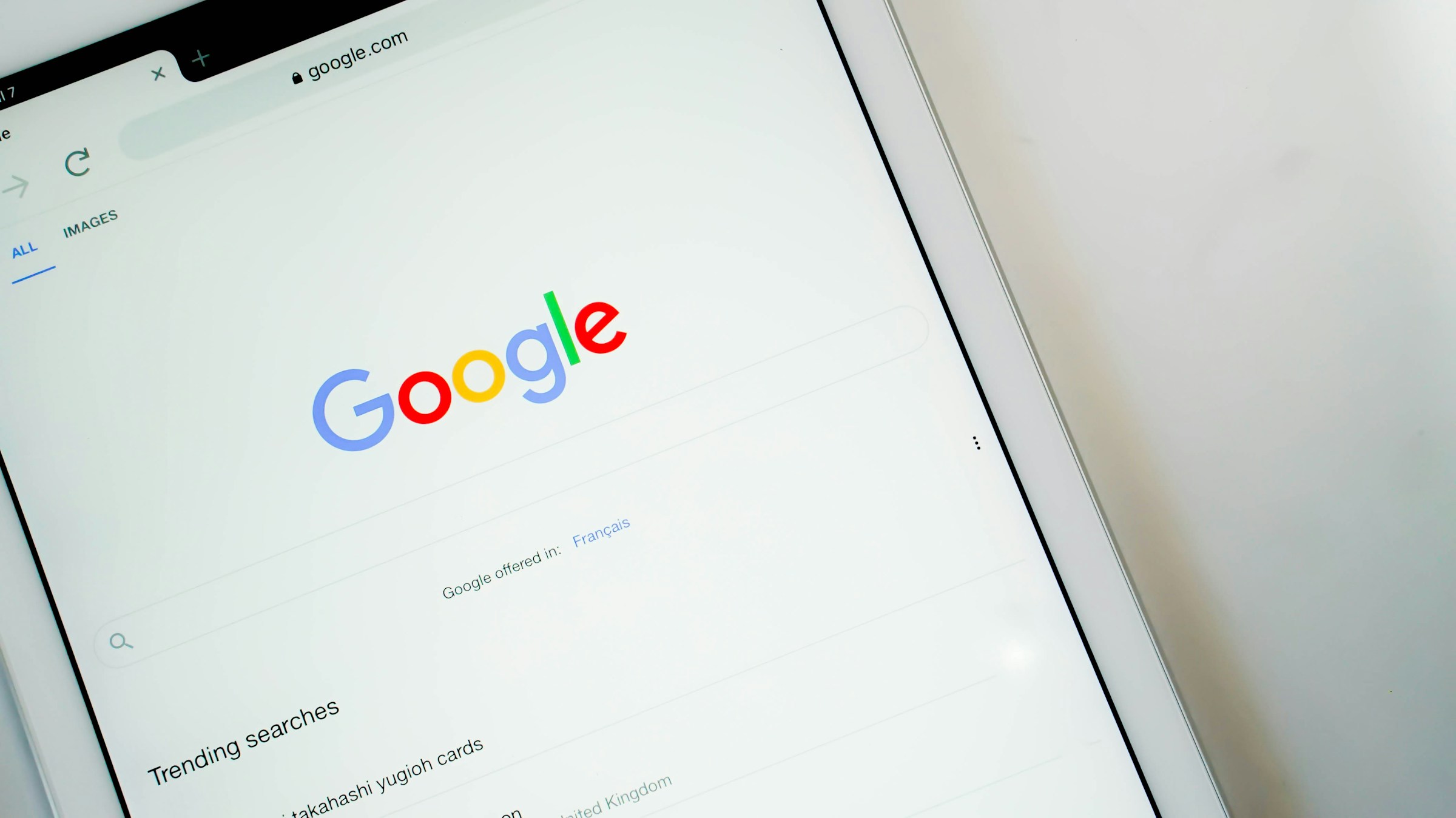
You launch your website, search for it on Google, and… nothing shows up. It feels like your site doesn’t exist.
This is more common than you think. New websites often take time to appear, and in many cases, simple issues are holding them back.
In this guide, you’ll learn why your site isn’t showing up and what you can do to fix it—step by step, in plain terms you can act on right away.
To avoid common mistakes, learn the core principles of Google indexing explained simply.
How Google Finds and Displays Websites
Google doesn’t automatically know your website exists because it has to find, understand, and evaluate it through three key steps: crawling, indexing, and ranking.
Crawling is the discovery phase, where Google sends out bots (often called “spiders”) to scan the web and follow links from one page to another.
If your site has no links pointing to it or no sitemap submitted, these bots may not reach it at all.
Once a page is found, indexing is the next step.
This is where Google analyzes your content, tries to understand what your page is about, and decides whether it’s worth storing in its database.
If your content is thin, duplicated, or blocked by technical settings like a “noindex” tag, it may be skipped entirely.
Ranking is the final step, where Google decides where (or if) your page should appear in search results based on factors like relevance, quality, and trust.
Even if your page is indexed, it won’t show up near the top unless it offers clear value compared to other pages.
For your website to actually appear on Google, all three steps must work together, meaning your site needs to be found, properly understood, and considered useful enough to rank.
If something breaks at any stage, your visibility drops or disappears completely.
1. Your Website Hasn’t Been Crawled Yet
What Crawling Means
Crawling is how Google discovers your website. It uses automated bots to scan pages and follow links across the internet.
These bots move from one page to another through links, collecting information as they go.
If your site hasn’t been crawled, it simply means Google hasn’t found it yet.
No crawling means no indexing, and without indexing, your site cannot appear in search results.
Why New Sites Aren’t Immediately Discovered
New websites start with zero visibility. Google doesn’t get notified when you launch a site, so it has no reason to check it unless something points to it.
Unlike established websites that are crawled often, new domains have no history, no trust signals, and no connections.
This makes discovery slower. In most cases, Google is not ignoring your site, but it just doesn’t know it exists yet.
No Backlinks
Backlinks are one of the main ways Google finds new pages. When another website links to yours, it creates a path for Google’s bots to follow.
Without backlinks, no entry points lead to your site. This makes it much harder for Google to discover your pages naturally, especially in the early stages.
No Sitemap Submitted
A sitemap is a file that lists your important pages and helps Google understand your site structure.
Submitting it through Google Search Console gives Google a direct route to your content.
Without a sitemap, Google has to rely only on links to find your pages, which slows down the process and increases the chances of pages being missed.
Poor Internal Linking
Internal links connect your pages to each other. They help Google move through your site and understand how your content is organized.
If your pages are not linked properly, some of them may become “orphan pages,” meaning there are no paths leading to them.
Even if Google finds your homepage, it may not reach deeper pages without clear internal links guiding the way.
2. Your Site Is Crawled but Not Indexed
Difference Between Crawling and Indexing
Crawling means Google has visited your page. Indexing means Google has decided to store and use that page in its search results.
A page can be crawled but still not indexed if Google doesn’t see enough value in keeping it.
This is a key distinction. If your page isn’t indexed, it won’t appear in search, no matter how well it’s written or optimized.
Thin or Low-Quality Content
Google looks for pages that provide clear, useful information. If your content is too short, vague, or doesn’t fully answer a user’s question, it may be skipped.
Pages with very little original content, or content that feels incomplete, are often seen as low value.
To improve your chances of indexing, each page should solve a specific problem in a clear and helpful way.
Duplicate Content
If multiple pages on your site have very similar or identical content, Google may choose to index only one of them. This avoids showing repetitive results to users.
Duplicate content can happen with copied text, similar product pages, or even small variations of the same topic.
When this happens, Google filters out the less useful versions, which can leave some of your pages unindexed.
Noindex Tags
A “noindex” tag is a direct instruction that tells Google not to include a page in its index.
Sometimes this is added intentionally, but it can also be left behind by mistake during development.
If this tag is present, Google will crawl the page but will not show it in search results. Checking your page settings and source code can quickly confirm if this is the issue.
Technical Issues
Technical problems can prevent Google from properly understanding or storing your page.
This includes slow loading times, server errors, broken pages, or incorrect settings like blocked resources.
If Google can’t access or process your content reliably, it may choose not to index it.
Fixing these issues ensures your pages are not only found but also trusted enough to be included in search results.
3. Your Website Is Indexed but Not Ranking
Why Being Indexed Doesn’t Guarantee Visibility
Getting indexed means your page is stored in Google’s database, but it does not mean it will be shown to users. Ranking is competitive.
Google compares your page against many others targeting the same topic and then decides which ones deserve the top spots.
If your page is not strong enough compared to others, it may sit far down in the results, where no one sees it.
So even though your site exists in Google, it can still feel invisible.
Low Domain Authority
New websites start with little to no trust. Google looks at your overall website reputation when deciding where to rank your pages.
If your site has no history, few mentions, and limited signals of credibility, it will struggle to compete against established websites. This is normal.
Authority builds over time as your site gains quality content and links.
High Competition Keywords
If you are targeting broad or highly competitive keywords, you are competing with strong websites that already dominate those topics.
These sites often have more content, more backlinks, and more trust. For a new website, trying to rank for these keywords makes visibility much harder.
Focusing on more specific, lower-competition topics gives you a better chance to appear in search results.
Weak Content Quality
Google prioritizes content that clearly solves a user’s problem. If your page is unclear, too basic, or doesn’t fully answer the search intent, it won’t rank well.
Strong content is easy to understand, covers the topic in enough depth, and provides real value.
Improving clarity, structure, and usefulness can make a noticeable difference in rankings.
Lack of Backlinks
Backlinks act as signals of trust and relevance. When other websites link to your content, it tells Google that your page is worth paying attention to.
Without backlinks, your pages lack the authority needed to compete.
This makes it harder for Google to justify placing your content above others, even if it is indexed.
4. Technical Issues Blocking Visibility
robots.txt Blocking Pages
Your robots.txt file tells search engines which parts of your site they can and cannot access. If important pages are accidentally blocked here, Google won’t be able to crawl them at all.
This means those pages will never be indexed or shown in search results.
Even a small mistake in this file can hide your entire site, so it’s important to check that you’re not blocking pages you actually want visible.
Incorrect Canonical Tags
Canonical tags help Google understand which version of a page should be treated as the main one.
If these are set incorrectly, you might be telling Google to ignore the very page you want to rank.
For example, if multiple pages point to a different URL as the “main” version, Google may skip indexing them or rank the wrong page instead.
This can quietly reduce your visibility without obvious warning signs.
Slow Site Speed
If your website takes too long to load, it creates a poor experience for both users and search engines.
Google may crawl fewer pages if your site is slow, which limits how much of your content gets discovered.
In some cases, slow pages may also struggle to rank because they don’t meet basic performance expectations.
Improving load speed helps ensure your site is both accessible and competitive.
Mobile Usability Issues
Most users browse on mobile devices, and Google primarily evaluates your site based on its mobile version.
If your site is hard to use on smaller screens—text too small, buttons too close, layout broken—Google may lower your rankings or avoid indexing certain pages properly.
A clean, responsive design ensures your content is usable for everyone and easier for Google to trust.
Broken Pages or Errors
Pages that return errors, such as 404 (not found) or server issues, can stop Google from accessing your content.
If important pages are broken, they won’t be indexed or ranked. Even smaller issues, like missing images or scripts, can affect how Google understands your page.
Regularly checking for errors and fixing them keeps your site healthy and fully accessible.
5. Your Website Is Too New (The “Sandbox” Effect)
When a new website goes live, it often goes through a period where it struggles to rank, even if everything is set up correctly. This is commonly known as the “Google sandbox.”
It’s not an official feature, but it describes a real pattern where new domains are held back while Google evaluates their quality and trustworthiness.
During this time, Google is watching how your site behaves: how often you publish content, whether your pages are useful, and if other websites are linking to you.
New domains take time to gain trust because they have no history, no proven reliability, and no strong signals that show they deserve to rank above established competitors.
Google prefers to be cautious, so it gradually tests your pages in search results before giving them more visibility.
This is why you might see your pages appear briefly and then disappear, or rank very low at first.
In terms of timing, some pages can get indexed within a few days, but meaningful rankings usually take a few weeks to a few months, depending on your niche, competition, and how consistently you improve your site.
The key thing to understand is that this phase is temporary, and if you keep publishing helpful content, building links, and fixing issues, your site will slowly gain trust and start appearing more often in search results.
6. Weak or No SEO Foundation
Missing On-Page SEO Basics
On-page SEO helps Google understand what your page is about. Without the basics in place, your content becomes harder to interpret and rank correctly.
Small details matter here, and fixing them gives your pages a clear direction.
Title Tags
The title tag is one of the strongest signals you can give Google. It tells both search engines and users what your page is about in a single line.
If your title is missing, unclear, or not focused on a specific topic, Google may struggle to match your page to the right searches.
A clear, relevant title improves both visibility and click potential.
Meta Descriptions
Meta descriptions don’t directly affect rankings, but they influence whether people click on your page.
If this is missing or poorly written, your page can be ignored even if it appears in search results.
A strong description sets expectations and encourages users to choose your page over others.
Header Structure
Headers (H1, H2, H3) organize your content and make it easier to read. They also help Google understand the structure and key points of your page.
If your content has no clear headings or is poorly structured, it becomes harder for both users and search engines to follow.
A clean structure improves clarity and strengthens your page’s relevance.
Poor Keyword Targeting
If your page doesn’t focus on a clear keyword or topic, Google won’t know when to show it.
Targeting keywords that are too broad, too competitive, or not aligned with what users are searching for can limit your visibility.
Choosing the right keywords helps your content match real search intent.
Lack of Content Strategy
Publishing random pages without a clear plan makes it harder to build authority. Google favors websites that consistently cover topics in depth.
Without a strategy, your content may feel disconnected and fail to build momentum.
A focused approach, where each piece of content supports a broader topic, helps your site grow stronger over time and improves your chances of ranking.
7. No Backlinks or Authority Signals
Backlinks are links from other websites to yours, and they act as signals that your content is worth noticing.
Google uses these links as a way to measure trust. If other sites are willing to reference your content, it suggests your page has value.
Not all backlinks are equal, though; links from relevant and trustworthy websites carry more weight than random or low-quality ones.
When your site has no backlinks, Google has very little external evidence to support ranking your pages, even if your content is good.
This is one of the biggest challenges for new websites, because they start with zero authority and no reputation.
Without these signals, your site relies only on its own content, which makes it harder to compete against established sites that already have strong link profiles.
Building backlinks takes time, but even a few quality links can help Google discover your pages faster and begin to trust your site more.
8. Content Isn’t Valuable or Relevant Enough
Google’s goal is simple: show the most helpful result for each search, and that starts with understanding search intent, meaning what the user is actually trying to find or solve.
If your content doesn’t match that intent, it won’t perform well, even if it’s well written.
For example, if someone is looking for a step-by-step guide and your page only gives a brief overview, it won’t meet their needs.
This is where the difference between thin and helpful content becomes clear.
Thin content lacks depth, skips important details, or fails to fully answer the question, while helpful content is clear, complete, and easy to follow.
It solves the problem without forcing the reader to look elsewhere. Google also looks at E-E-A-T, which stands for Experience, Expertise, Authority, and Trust.
In simple terms, this means your content should show that you understand the topic, provide accurate information, and can be relied on.
You don’t need to be a big brand, but your content should feel credible and useful.
When your pages align with real search intent, provide real value, and build trust, your chances of being indexed and ranked improve significantly.
How to Get Your Website to Show Up Faster
- Submit your sitemap in Google Search Console
Uploading your sitemap gives Google a clear list of your important pages, making it easier and faster for your site to be discovered and crawled. - Request indexing for key pages
Use the URL inspection tool to manually ask Google to review and index your pages, especially new or updated ones, instead of waiting for it to happen naturally. - Build initial backlinks
Get a few quality links from other websites to create entry points for Google and signal that your site is worth paying attention to. - Publish high-quality content consistently
Regularly adding useful, well-structured content shows Google that your site is active and provides ongoing value, which increases crawl frequency over time. - Optimize technical SEO
Fix issues like slow loading speeds, broken pages, and crawl errors so Google can access and process your site without obstacles. - Improve internal linking
Link your pages together clearly so Google can navigate your site easily and understand which pages are most important.
How Long It Typically Takes to Appear on Google
Getting your website to show up on Google takes time, and the timeline depends on what stage you’re at.
Realistic Expectations
- Days to weeks for indexing
Once your site is discoverable and properly set up, Google can crawl and index your pages within a few days to a few weeks. Submitting a sitemap and requesting indexing can speed this up. - Months for meaningful rankings
Ranking well takes longer. Most new websites need a few months before they start seeing consistent visibility, especially in competitive niches. This is normal and part of building trust.
Factors That Influence Speed
- Website setup — Clean technical SEO helps Google crawl and index faster
- Content quality — Helpful, clear content gets indexed and ranked more easily
- Competition level — Tougher keywords take longer to rank for
- Backlinks — More quality links can speed up discovery and trust
- Consistency — Regular updates signal that your site is active and worth revisiting
Common Mistakes to Avoid
Expecting Instant Results
Many new website owners expect to see traffic and rankings within days. When that doesn’t happen, it feels like something is wrong.
In reality, SEO takes time. Google needs to discover, evaluate, and build trust in your site before showing it consistently.
Rushing the process often leads to poor decisions, like changing strategies too often or giving up too early.
Publishing Low-Quality Content
Adding content just for the sake of filling your site can do more harm than good. Pages that are thin, unclear, or not useful won’t get indexed or ranked.
Every piece of content should have a clear purpose and solve a real problem. Fewer high-quality pages will always perform better than many weak ones.
Ignoring Technical SEO
Even good content can fail if your site has technical issues. Problems like blocked pages, slow load times, or broken links can stop Google from properly accessing your site.
These issues are often hidden, which makes them easy to overlook. Regular checks help ensure your site stays accessible and healthy.
Targeting Overly Competitive Keywords
Trying to rank for broad, high-competition keywords too early makes it difficult to gain traction.
These keywords are often dominated by established websites with strong authority.
Starting with more specific, lower-competition topics gives your site a better chance to appear in search results and build momentum over time.
Final Thoughts
Not showing up on Google at first is normal. Every new website goes through this stage.
What matters is what you do next. Fix the basics, publish useful content, and stay consistent.
If you keep improving step by step, your site will get discovered, indexed, and start to rank.
If you want a step-by-step, detailed guide, see how Google discovers and indexes new websites.
Because Google hasn’t discovered, indexed, or trusted it yet. This is common for new sites and usually comes down to crawl issues, low content quality, or no backlinks.
It can take anywhere from a few days to a few weeks, depending on how easily Google can find and crawl your pages.
You can’t force it, but you can speed it up by submitting your sitemap and requesting indexing in Google Search Console.
This usually means your content isn’t strong enough yet, your site lacks authority, or you’re targeting highly competitive keywords.
Yes. Backlinks give Google a path to find your site and act as trust signals, which can improve both discovery and rankings.





I’m Alex Crawley, an SEO specialist with 7+ years of hands-on experience helping new websites get indexed on Google. I focus on simplifying technical indexing issues and turning confusing problems into clear, actionable fixes.