You’ve launched your website. Everything looks great, but no traffic, no clicks, nothing from Google. It can feel like your site doesn’t even exist.
Here’s the truth: this is normal. New websites don’t show up right away, and it’s not because you’ve done something wrong.
In this guide, you’ll learn why your site isn’t appearing yet, how Google actually finds and indexes new pages, and what you can do right now to speed things up and get seen.
Before diving deeper into this question, get a simple explanation of how indexing works on Google, if you don’t already understand how indexing works.
Can a Website Be “Too New” for Google?
No, your website is not “too new” for Google, but it does need time to be discovered, understood, and trusted.
Google doesn’t automatically know your site exists the moment you publish it.
It finds new websites by crawling the web, usually through links from other sites, submitted sitemaps, or direct requests through tools like Google Search Console.
If nothing is pointing to your site yet, Google has no clear path to find it quickly. Even after it discovers your pages, it doesn’t rank them right away.
This is where trust and authority come in. Google wants to make sure your site is reliable before showing it to users.
It looks at signals like the quality of your content, how your pages are structured, and whether other websites link to you.
A brand-new site has none of this history, so it starts at zero. That doesn’t mean it’s ignored; it just means Google needs time to evaluate it.
As you add useful content, earn links, and keep your site technically sound, you build that trust step by step, and your visibility improves naturally.
How Google Finds New Websites
Crawling Basics (How Google Discovers Pages)
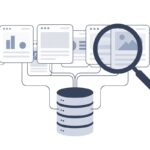
Google uses automated programs called crawlers to scan the internet and find pages. These bots move from one link to another, building a map of the web as they go.
If your website has no links pointing to it, Google has no clear path to reach it quickly. That’s why some new sites take longer to appear.
Once a crawler lands on your site, it reads your pages, follows your links, and adds what it finds to Google’s index.
The easier your site is to navigate, the easier it is for Google to crawl it.
The Role of Sitemaps
A sitemap is a simple file that lists all the important pages on your website. It acts like a guide, showing Google exactly what exists on your site.
This is especially useful for new websites because it removes guesswork. Instead of waiting for Google to discover your pages through links, you’re pointing them out directly.
A clean, updated sitemap helps ensure nothing important gets missed and can speed up how quickly your pages are found.
Internal Linking and External Backlinks
Links are one of the main ways Google discovers content. Internal links connect your pages to each other, helping crawlers move through your site and understand its structure.
If a page has no internal links, it can be hard for Google to find it. External backlinks, which are the links from other websites, are even more powerful.
They act as signals that your site exists and is worth checking out. Even a few quality backlinks can help Google discover your site faster and crawl it more often.
Submitting Your Site to Google
You don’t have to wait for Google to find your site on its own. You can take control by submitting your website to Google Search Console.
This allows you to add your sitemap and request indexing for specific pages.
While this doesn’t guarantee instant results, it puts your site directly in front of Google and often speeds up the process.
It’s one of the simplest and most effective steps you can take when launching a new website.
Why New Websites Don’t Show Up Immediately
No Indexing Yet
If your website isn’t indexed, it won’t appear in search results. Simple as that. Indexing is the step where Google stores your pages in its database after crawling them.
On a new site, this often hasn’t happened yet. Even if Google has found your site, it may still be processing your pages. This delay is normal.
You can check your indexing status in Google Search Console and request indexing to speed things up, but you still need to give Google time to complete the process.
Low Domain Authority
New websites start with no history, no reputation, and no signals of trust. Google uses these signals to decide which sites deserve visibility.
Without them, your site is less likely to rank, even if it’s indexed.
This is often called “low authority,” but it simply means Google hasn’t seen enough evidence yet to trust your site over others.
As you publish helpful content and earn links, your site builds credibility, and your chances of ranking improve.
Lack of Backlinks
Backlinks are one of the strongest signals Google uses to discover and evaluate a site.
If no one is linking to your website, Google has fewer ways to find it and fewer reasons to prioritize it.
New websites usually have zero backlinks, which slows down both discovery and ranking.
Even a small number of quality links can make a noticeable difference by helping Google find your site faster and view it as more trustworthy.
Limited Content
A few pages are rarely enough to gain visibility. Google looks for websites that provide clear, useful, and consistent information.
If your site only has one or two pages, there isn’t much for Google to index or rank.
More content gives Google more entry points into your site and helps it understand what your website is about.
Publishing content regularly also signals that your site is active, which can lead to more frequent crawling.
Competition in Your Niche
Even if everything on your site is set up correctly, you’re still competing with other websites for visibility.
Many of those sites may have been around for years, with strong authority, hundreds of pages, and plenty of backlinks.
Google tends to favor these established sites because they’ve already proven their value. This doesn’t mean you can’t compete, but it just means it takes time.
How Long Does It Take for Google to Index a New Site?
There’s no exact timeline, but most new websites get indexed anywhere from a few days to several weeks.
In some cases, it can happen within 24–48 hours. In others, it may take a few weeks.
The difference comes down to how easy it is for Google to find, crawl, and trust your site.
Several key factors affect how fast this happens:
- Website Structure
A clean, simple structure makes it easier for Google to move through your site. Pages should be easy to reach, with clear navigation and internal links connecting everything. If your pages are buried or disconnected, Google may miss them or take longer to find them. - Content Quality
Google prioritizes useful, original content. If your pages provide clear value and answer real questions, they are more likely to be indexed quickly. Thin or duplicate content can slow things down because Google may not see it as worth adding to its index. - Crawl Frequency
Some websites are crawled more often than others. New sites usually have a low crawl rate at first because Google doesn’t know how often they update. As you publish more content and show consistency, Google starts visiting your site more frequently. - Technical Setup
Technical issues can delay or block indexing completely. Common problems include “noindex” tags, blocked pages in robots.txt, or slow loading speeds. A technically sound site makes it easier for Google to access and process your pages without friction.
Signs Google Has Found Your Website
Your Site Appears in Search Results (Even for Your Brand Name)
One of the clearest signs is when your website shows up in Google, even if it’s only for your brand name or exact domain. Try searching your site name or URL.
If it appears, Google has already discovered and indexed at least some of your pages.
You may not rank for competitive keywords yet, but this confirms your site exists in Google’s system. It’s an early but important step.
Pages Show as Indexed in Google Search Console
Google Search Console gives you direct insight into what’s happening behind the scenes. In the indexing report, you can see which pages are indexed and which are not.
If pages are marked as “indexed,” it means Google has processed them and added them to its database.
If they’re not indexed, the report often shows why. This helps you spot issues quickly and take action instead of guessing.
Crawling Activity in Reports
Crawling activity is another strong signal. In Search Console, you can see when Googlebot visits your site, which pages it crawls, and how often it returns.
If you notice regular activity, it means Google is actively exploring your site.
Even if your pages aren’t ranking yet, consistent crawling shows that your site is on Google’s radar and moving in the right direction.
How to Help Google Discover Your New Website Faster
Submit Your Sitemap in Google Search Console
Start by giving Google a clear map of your site. A sitemap lists your important pages and shows how they’re organized.
When you submit it to Google Search Console, you remove guesswork and help Google find your content faster.
This is one of the simplest steps, and it makes a real difference for new websites.
Request Indexing Manually
If you’ve just published a page, you don’t have to wait. You can use the URL inspection tool in Google Search Console to request indexing.
This sends a direct signal to Google to check that page. It doesn’t guarantee instant results, but it often speeds things up, especially for new or updated content.
Create High-Quality, Original Content
Google is more likely to index and rank content that provides real value. Focus on clear, helpful, and original information that answers specific questions.
Avoid thin or copied content. The better your content is, the easier it is for Google to understand and trust your site.
Build Backlinks from Reputable Sites
Links from other websites help Google discover your site and see it as credible. Even a few strong backlinks can speed up both crawling and indexing.
Focus on quality over quantity. A link from a relevant, trusted site carries more weight than many low-quality links.
Share Your Site on Social Media
While social media links don’t directly boost rankings, they help get your site seen. When your content is shared, it increases the chances of other people discovering and linking to it.
This creates more pathways for Google to find your pages.
Ensure Proper Internal Linking
Make sure your pages are connected. Internal links help Google move through your site and understand how your content fits together.
Every important page should be reachable through links, not hidden or isolated. A well-linked site is easier to crawl, which leads to faster discovery and indexing.
Common Mistakes That Slow Down New Websites
Blocking Search Engines in robots.txt
Your robots.txt file controls what search engines can and cannot access.
If it’s set up incorrectly, you might be blocking Google from crawling your entire site without realizing it.
This often happens when a site is in development, and the block is never removed after launch. If Google can’t crawl your pages, it can’t index them.
Always double-check that your robots.txt file allows access to important sections of your site.
Using “noindex” Tags Accidentally
A “noindex” tag tells Google not to include a page in search results. It’s useful in some cases, but harmful if used by mistake.
Many new websites leave this tag active after testing or staging. The result is simple: your pages won’t appear on Google, even if everything else is correct.
Check your pages to ensure “noindex” is not applied where it shouldn’t be.
Poor Site Structure
If your site is hard to navigate, it’s also hard for Google to crawl. Pages should be logically organized and easy to reach within a few clicks.
If important pages are buried deep or not linked properly, Google may struggle to find them.
A clear structure helps both users and search engines move through your site without confusion.
Duplicate or Thin Content
Google avoids indexing pages that offer little or repeated value. If your content is copied, too short, or lacks useful information, it may be ignored.
This slows down your overall progress because Google doesn’t see your site as helpful yet.
Focus on creating original content that answers real questions in a clear and complete way.
Not Submitting a Sitemap
Without a sitemap, Google has to rely entirely on links to discover your pages. For a new site, this can take longer.
A sitemap gives Google a direct list of your content, making discovery faster and more reliable.
Skipping this step doesn’t stop indexing, but it often delays it unnecessarily.
When Should You Start Worrying?
No Indexing After 2–4 Weeks
A short delay is normal, but if your site still isn’t indexed after a few weeks, it’s time to check what’s wrong.
By this point, Google should have at least discovered some of your pages.
If nothing is indexed, there may be a block in place, like a “noindex” tag, a robots.txt issue, or a missing sitemap.
Start by checking Google Search Console to confirm whether your pages are being crawled at all.
If they’re not, focus on fixing access and submitting your site properly.
No Impressions or Clicks After Consistent Publishing
If you’re publishing content regularly but still seeing zero impressions, your pages may not be indexed or are too weak to show up in search results.
Even new websites usually get some impressions for low-competition or branded searches.
If you see nothing after consistent effort, review your content quality and keyword targeting.
Make sure your pages are clear, useful, and focused on specific topics people actually search for.
Technical Errors Preventing Crawling
Technical problems can stop your site from being discovered entirely. These include blocked pages, broken links, slow loading speeds, or server errors.
If Google can’t access your site properly, indexing won’t happen. Use Google Search Console to identify errors and fix them quickly.
Once these issues are resolved, Google can crawl your site normally, and your chances of being indexed improve.
Quick Checklist for New Websites
- Sitemap submitted
Ensure your sitemap is added to Google Search Console so Google can easily find your pages. - Pages indexed
Check that your key pages are indexed and appearing in Google’s database. - No technical errors
Fix issues like “noindex” tags, blocked pages, or crawl errors that can stop indexing. - Content published regularly
Keep adding useful, original content to show your site is active and valuable. - Basic backlinks acquired
Get a few quality links from other websites to help Google discover and trust your site.
Final Thoughts
Your website isn’t too new, but it just needs time. Google has to find, understand, and trust your site before it shows up.
Focus on doing the basics well. Keep publishing useful content, fix technical issues, and build a few strong links. Stay consistent, and results will follow.
If things aren’t making sense yet, here’s a beginner-friendly guide to indexing basics.
Yes. New websites often get little to no traffic at first because they haven’t been indexed or built trust yet.
Submit your sitemap, request indexing in Google Search Console, publish useful content, and get a few backlinks.
You can help by submitting pages manually, improving site structure, and adding internal links, but you can’t force instant indexing.
This usually means your site lacks authority, strong content, or relevant backlinks compared to competitors.
Often, yes. Older domains usually have more trust and backlinks, while new domains need time to build both.





I’m Alex Crawley, an SEO specialist with 7+ years of hands-on experience helping new websites get indexed on Google. I focus on simplifying technical indexing issues and turning confusing problems into clear, actionable fixes.