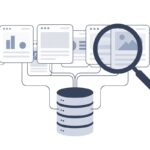
Orphan pages are pages on your site that have no internal links pointing to them.
That means search engines struggle to find them, and if they can’t find them easily, they often won’t index them.
This is more than a small SEO issue.
If important pages aren’t indexed, they can’t rank, drive traffic, or generate results.
You could be sitting on valuable content that Google simply ignores.
In this guide, you’ll learn why orphan pages happen, how they affect indexing, how to find them, and exactly what to do with them.
By the end, you’ll have a clear plan to fix the problem and keep your site fully discoverable.
If you’re fixing multiple issues, use this all-in-one resource for technical indexing problems as your guide.
Key Takeaways
- Orphan pages have no internal links, making them hard for search engines to find and index
- If a page isn’t indexed, it cannot rank or drive traffic
- Weak or missing internal links reduce crawl frequency and PageRank signals
- Orphan pages can lead to crawl budget waste, especially on larger sites
- The most reliable way to find them is by comparing crawl data, sitemaps, and search engine reports
- Fixing orphan pages starts with adding relevant internal links from strong, related pages
- Some pages should be merged, redirected, or removed based on their value
- A clear internal linking strategy prevents pages from becoming orphaned in the first place
- Regular audits and structured workflows keep your site fully connected and indexable
What Are Orphan Pages?
Orphan pages are pages on your website that have no internal links pointing to them.
In simple terms, nothing on your site leads to them.
Because of this, search engines don’t have a clear path to discover these pages during normal crawling.
Search engines like Google mainly find content by following links.
When a page isn’t linked from anywhere, it becomes isolated.
Even if the page exists and is technically live, it may be missed entirely or treated as low priority.
Orphan Pages vs Regular Pages
A regular page is connected to your site through internal links.
It might be linked from your homepage, blog posts, category pages, or navigation menus.
These links help search engines understand where the page fits and how important it is.
An orphan page, on the other hand, sits outside this structure.
It has no clear relationship to the rest of your site.
As a result, it lacks both visibility and context, which are key factors for indexing and ranking.
Simple Example
Imagine you publish a blog post but never link to it from any other page.
It’s not in your navigation, not in related posts, and not referenced anywhere else.
Even though the page exists:
- Search engines may not find it easily
- It may not get indexed
- It won’t receive internal link authority
In practice, this means the page has little to no chance of ranking, even if the content is good.
Understanding this concept is the first step.
Once you see how easily pages can become disconnected, it becomes much clearer why indexing problems happen.
How Search Engines Discover and Index Pages
Search engines don’t “see” your website the way people do.
They rely on automated programs (often called bots or crawlers) to move through pages and understand content.
These bots follow links from one page to another. That’s how they discover new URLs.
This process follows a clear path: crawl → render → index.
If a page breaks at any stage, it may never appear in search results.
Internal links play a key role in keeping this process smooth and reliable.
The Crawl → Render → Index Process Explained
Crawling is the discovery phase. Search engine bots scan the web by following links and reading XML sitemaps.
Links act like pathways. The more clearly a page is connected, the easier it is to find.
Pages that are not linked are much harder to discover.
Rendering comes next. Once a page is found, the search engine processes its content.
This includes reading text, loading images, and executing JavaScript if needed.
The goal is to understand what the page is about, much like a browser would.
Indexing is the final step. If the page meets quality and relevance standards, it gets stored in the search engine’s index.
This is what makes it eligible to appear in search results.
If a page isn’t indexed, it simply cannot rank, no matter how good the content is.
Where Orphan Pages Break This Process
Orphan pages fail at the very first step: discovery.
Without internal links, there are no clear signals guiding crawlers to the page.
Search engines may still find it through other sources, but those signals are weak and inconsistent.
In most cases, orphan pages rely on:
- XML sitemaps
- External backlinks
- Direct URL submissions
These methods are less reliable than internal linking.
As a result, the page may be crawled less often, indexed slowly, or skipped entirely.
Even if it does get indexed, the lack of internal links sends a strong signal that the page is not important within your site.
This limits its ability to rank and stay indexed over time.
How Orphan Pages Affect Indexing
Orphan pages directly interfere with how search engines find, evaluate, and store your content.
When a page isn’t connected through internal links, it sends weak signals about its importance.
This affects how often it’s crawled, whether it gets indexed, and how well it can rank.
Indexing is not guaranteed. Search engines choose what to include based on discovery, quality, and context.
Orphan pages fall short on all three.
Limited or Delayed Crawling
Search engines discover most pages by following links.
Without those links, orphan pages are harder to find and may be crawled less often.
Even if the page exists in your sitemap, it lacks strong signals that it matters.
As a result, crawlers may delay visiting it or skip it entirely in favor of better-connected pages.
This slows down indexing and reduces visibility.
Pages May Not Be Indexed at All
A common outcome for orphan pages is the “discovered but not indexed” state.
This means the search engine knows the page exists but has chosen not to include it in the index.
This can happen when the page:
- Appears isolated from the rest of the site
- Lacks internal signals of importance
- Competes with stronger, linked pages
Over time, even indexed orphan pages can drop out of the index.
Without internal links reinforcing their value, they become easy to ignore.
Weak Internal Link Signals (PageRank Loss)
Internal links pass authority between pages. This is often referred to as PageRank.
Orphan pages receive none of this internal support.
They don’t benefit from the authority of stronger pages, and they don’t contribute back to the site’s structure.
This weakens their ability to rank, even if they are indexed.
Search engines rely on link signals to judge importance, and orphan pages have none.
Crawl Budget Waste (For Larger Sites)
On larger websites, search engines allocate a limited amount of crawling resources, often called crawl budget.
If orphan pages are present, they can still consume part of this budget when discovered indirectly, such as through sitemaps or backlinks.
These pages often provide little value yet still consume crawl time.
This creates a trade-off.
While bots spend time on isolated pages, more important pages may be crawled less often or updated more slowly.
Index Bloat and Quality Issues
If many low-value orphan pages get indexed, they can dilute the overall quality of your site.
Search engines evaluate sites at scale.
A large number of thin, disconnected pages can signal poor structure or low content quality.
This can impact how the entire site is treated.
Cleaning up orphan pages helps maintain a stronger, more focused index.
Poor User Experience & Hidden Content
Orphan pages are not just a search engine issue. They also affect users.
If a page has no internal links, visitors cannot navigate to it naturally.
Valuable content becomes hidden, even if it exists.
This leads to missed opportunities:
- Users don’t find helpful information
- Conversion paths break
- Engagement drops
When pages are properly linked, they support both discovery and user flow.
Fixing orphan pages improves both SEO performance and usability at the same time.
What Causes Orphan Pages?
Orphan pages don’t happen by accident.
They are usually the result of common SEO tasks like redesigns, content updates, or campaign launches.
When these changes are not fully connected back into your site structure, pages get left behind.
Site Migrations & URL Changes
Site migrations often create orphan pages when URLs change, but internal links are not fully updated.
For example, if you redesign your site or move to a new domain, some old pages may still exist but are no longer linked from the new structure.
These pages become isolated even though they are still accessible.
This often happens when:
- Redirects are incomplete
- Internal links still point to new URLs only
- Old pages remain live without integration
Without proper linking, these leftover pages lose visibility and may drop out of the index.
Deleted or Broken Internal Links
Orphan pages are commonly created during content updates.
When you remove or edit pages, you may unintentionally delete links that were pointing to other pages.
If those links were the only connections, the target pages become orphaned.
This can happen when:
- Blog posts are updated or rewritten
- Pages are removed without checking link dependencies
- Navigation elements are simplified
Over time, small changes like this can disconnect large parts of your content.
Poor Site Architecture & Navigation
A weak site structure makes it easy for pages to become orphaned.
If your internal linking strategy is not planned, some pages may never get linked at all.
Others may sit too deeply in the site, making them hard to reach.
Common issues include:
- No clear hierarchy between pages
- Missing category or hub pages
- Over-reliance on search instead of navigation
A well-structured site ensures every important page is reachable within a few clicks.
Without this, orphan pages are almost guaranteed.
CMS, Tags, and Filters (Technical Causes)
Content management systems can create orphan pages automatically.
Features like tags, filters, and search parameters often generate new URLs.
These pages may exist in the background, but are not linked from anywhere meaningful.
This includes:
- Faceted navigation (e.g., filtered product views)
- Tag or category pages with no internal links
- Duplicate or parameter-based URLs
Search engines may discover these pages through sitemaps or crawling patterns, but without internal links, they remain weak and often unnecessary.
Landing Pages & Campaign URLs
Marketing campaigns frequently create orphan pages.
Landing pages built for ads, email campaigns, or promotions are often designed to stand alone.
They are not added to the main site navigation or linked from other pages.
While this can be intentional, problems arise when:
- The campaign ends, but the page remains live
- The page has SEO value, but no internal links
- Multiple similar pages are created without structure
These pages can become invisible to both users and search engines unless they are properly integrated.
How to Find Orphan Pages (Beginner → Advanced Methods)
Finding orphan pages is about comparing what exists on your site with what is actually linked.
No single method shows everything, so the most reliable approach is to combine data from crawls, sitemaps, search engines, and user activity.
Start simple. Then layer in more advanced checks to catch what basic tools miss.
Method 1: Crawl vs XML Sitemap Comparison
Run a full site crawl using a crawler. This shows all pages that can be reached through internal links.
Next, export your XML sitemap. This file lists URLs you want search engines to know about.
Now compare the two lists: Pages in the sitemap but not found in the crawl are likely orphan pages
This works because crawlers rely on links.
If a page isn’t discovered during crawling but exists in the sitemap, it’s not connected internally.
This is one of the fastest and most reliable starting points.
Method 2: Using Google Search Console Data
Google Search Console shows how Google sees your site.
It can reveal pages that are indexed but not properly linked.
Look for:
- Pages marked as “Indexed” but receiving little or no internal link signals
- URLs listed in performance reports that are not part of your crawl data
You can also review the “Pages” indexing report to find URLs Google knows about but treats as low priority.
If Google has indexed a page but your crawler didn’t find it, that’s a strong orphan signal.
Method 3: SEO Tools (Screaming Frog, Ahrefs, etc.)
Advanced SEO tools combine multiple data sources to detect orphan pages.
They typically:
- Crawl your site structure
- Import sitemap URLs
- Pull data from search engines or backlinks
By merging these datasets, they highlight URLs that exist but are not linked internally.
Some tools also show:
- Pages with zero internal links
- Pages only discovered via external backlinks
This method is efficient because it automates comparisons that would otherwise take time.
Method 4: Analytics Data (Hidden Traffic Pages)
Analytics tools can reveal pages that users visit, even if those pages aren’t linked internally.
Look for:
- Pages with traffic but no clear internal path
- Entry pages that users land on directly
These pages may be:
- Shared externally
- Accessed via bookmarks
- Found through search engines
If a page gets traffic but doesn’t appear in your crawl, it’s likely orphaned or poorly linked.
This method helps you find valuable orphan pages, not just technical ones.
Method 5: Log File Analysis (Advanced)
Log files show exactly how search engine bots interact with your site.
This is the most accurate way to see what bots are actually crawling.
By analyzing logs, you can find:
- Pages bots visit that are not linked internally
- URLs discovered through indirect paths (like sitemaps or backlinks)
If a page appears in logs but not in your internal link structure, it’s orphaned.
This method is more technical, but it gives the clearest picture of real crawl behavior.
What to Do With Orphan Pages (Decision Framework)
Not every orphan page should be treated the same. Some are valuable and worth fixing.
Others add no value and should be removed or consolidated.
Use this framework to decide what action to take.
Each option solves a different problem.
Keep and Improve
If the page has useful content or targets an important keyword, keep it.
Your priority is to reconnect it to your site so search engines can find and evaluate it properly.
Add internal links from relevant, high-quality pages.
Place these links naturally within content, not just in footers or sidebars.
Then improve the page itself:
- Update outdated information
- Strengthen content depth
- Align it with search intent
This approach works best for pages that already have potential but lack visibility.
Merge With Relevant Pages
If the page is thin or overlaps with another page, merging is often the better choice.
Instead of maintaining two weak pages, combine them into one stronger, more complete resource.
This improves content quality and avoids keyword competition between similar pages.
After merging:
- Keep the best content
- Remove duplication
- Update internal links to point to the new version
This helps search engines focus on a single, authoritative page.
Redirect (301) to Stronger Pages
If the orphan page has little standalone value but is still relevant, redirect it to a stronger page.
A 301 redirect tells search engines the page has permanently moved.
It passes most of the existing value, such as backlinks, to the new destination.
This is useful when:
- The page is outdated
- A better version already exists
- You want to preserve any authority
It ensures nothing is wasted while simplifying your site structure.
Remove or Deindex Low-Value Pages
Some orphan pages should not be kept at all.
If a page has no traffic, no backlinks, and no clear purpose, it may be better to remove it or exclude it from indexing.
This reduces clutter and improves overall site quality.
You can:
- Delete the page entirely
- Return a proper status (like 404 or 410)
- Use a “noindex” directive if it must remain accessible
This helps prevent index bloat and keeps search engines focused on your best content.
When to Leave an Orphan Page (Rare Cases)
In some cases, orphan pages are intentional.
For example, landing pages used for paid ads or email campaigns are often designed to be isolated.
They are not meant to be part of the main site structure.
This can work if:
- The page serves a specific campaign goal
- Traffic comes from external sources
- Indexing is not a priority
However, if the page has long-term SEO value, it should be integrated into your internal linking structure.
How to Fix Orphan Pages (Step-by-Step SEO Process)
Fixing orphan pages is about restoring clear paths for both search engines and users.
You’re not just adding links, but you’re rebuilding structure so pages can be discovered, understood, and indexed reliably.
Follow these steps in order. Each one strengthens the signals search engines use to decide whether a page should be indexed and ranked.
Step 1: Add Contextual Internal Links
Start by linking to the orphan page from relevant, existing content.
Contextual links placed in the main body of a page carry more weight than links in footers or sidebars.
Choose pages that:
- Are already indexed and perform well
- Share a similar topic or intent
Place the link naturally within a sentence.
This helps search engines understand the relationship between pages and improves crawl paths at the same time.
Step 2: Improve Site Architecture
Next, make sure the page fits into a clear structure.
Every important page should belong to a logical hierarchy.
That means it should be reachable within a few clicks from your homepage and connected through categories or sections.
If a page feels “out of place,” it often ends up orphaned again. Fix this by:
- Assigning it to the right category
- Linking it within related content clusters
- Ensuring it’s not buried too deep
A clean structure helps search engines prioritize and revisit your pages more often.
Step 3: Update Navigation & Hub Pages
Navigation menus and hub pages act as central access points.
Adding links here gives strong signals that a page matters.
Include important pages in:
- Main navigation (for high-priority pages)
- Category pages or topic hubs
- “Related content” or “popular posts” sections
This improves both crawlability and user access.
It also reinforces the page’s role within your site.
Step 4: Optimize Anchor Text Strategy
Anchor text tells search engines what the linked page is about.
Generic phrases like “click here” provide no context.
Use clear, descriptive anchor text that reflects the topic of the page.
Keep it natural and readable within the sentence.
For example:
- Instead of: “read more here”
- Use: “learn how orphan pages affect indexing”
This improves relevance signals and helps the page rank for the right queries.
Step 5: Re-submit URLs for Indexing
Once the page is properly linked, ask search engines to reprocess it.
Use Google Search Console to:
- Inspect the URL
- Request indexing
This doesn’t guarantee immediate results, but it helps speed up re-crawling.
Combined with strong internal links, it increases the chances of the page being indexed and retained.
Internal Linking Strategy to Prevent Orphan Pages
A strong internal linking strategy ensures that search engines can always discover, crawl, and understand your content.
When linking is planned, orphan pages become rare.
When it’s random, they are almost guaranteed.
Hub-and-Spoke Model Explained
The hub-and-spoke model is one of the most reliable ways to structure content.
A hub page (also called a pillar page) covers a broad topic.
It links out to multiple supporting pages that go deeper into specific subtopics.
Each supporting page then links back to the hub.
This creates a clear structure:
- Search engines can easily crawl between related pages
- Authority flows between the hub and its supporting content
- Topic relevance becomes stronger
For example, a main guide on SEO can link to pages about indexing, crawling, and internal linking.
Each of those pages should also link back to the main guide.
This structure keeps pages connected and reduces the risk of isolation.
Contextual vs Navigational Links
Not all links serve the same purpose. Understanding the difference helps you use them correctly.
Contextual links are placed in the main content of a page.
They connect ideas naturally and carry strong relevance signals. These are the most important for SEO.
Navigational links appear in menus, sidebars, or footers.
They help users move around the site but often carry less contextual meaning.
Both are useful, but they should be used intentionally:
- Use contextual links to connect related topics
- Use navigational links to highlight key pages and structure
Relying only on navigation is not enough.
Contextual links are what truly prevent orphan pages.
How Many Internal Links Does a Page Need?
There is no fixed number, but there are clear guidelines.
Every important page should:
- Have at least one internal link pointing to it
- Ideally be linked from multiple relevant pages
More links can help, but only if they make sense.
Adding links without context does not improve SEO and can confuse users.
Focus on quality over quantity.
A few strong, relevant links are more effective than many weak ones.
Strategic Link Placement (High Impact Areas)
Where you place links matters as much as the links themselves.
High-impact areas include:
- Above-the-fold content: Links placed early are often crawled and valued more
- Main body content: These provide the strongest contextual signals
- Related posts or sections: Help reinforce topic connections
Avoid hiding important links in low-visibility areas, like footers only.
If a page matters, it should be clearly linked within the main content flow.
Crawl Budget Explained (And Why Orphan Pages Hurt It)
Crawl budget is about how often search engines visit your site and how many pages they choose to crawl in a given time.
It’s not unlimited. Search engines try to use their resources efficiently, especially on larger sites.
If your site structure is clean, crawlers spend more time on important pages.
If it’s messy, they waste time, and that affects what gets indexed and how quickly updates are picked up.
What Is Crawl Budget?
Crawl budget is generally shaped by two factors:
- Crawl capacity: how much a search engine can crawl your site without overloading your server
- Crawl demand: how important and popular your pages appear to be
When both are high, your site gets crawled more frequently. When they are low, crawling slows down.
This matters because crawling is the first step before indexing.
If a page isn’t crawled often, updates won’t be seen, and new pages may take longer to appear in search results.
How Orphan Pages Waste Crawl Resources
Orphan pages can still be discovered through sitemaps, backlinks, or past crawls.
Once discovered, they may continue to be crawled, even if they provide little value.
This creates a problem.
Crawlers spend time visiting pages that:
- Are not connected to the main site
- Lack internal signals of importance
- May not deserve to be indexed
That time could have been used to crawl important pages instead.
In simple terms, orphan pages compete for attention without contributing to your site’s overall performance.
This weakens how efficiently search engines process your content.
Impact on Large Websites
The bigger your site, the more crawl budget matters.
On small sites, search engines can usually crawl everything without issues.
On larger sites with thousands of URLs, prioritization becomes critical.
If many orphan pages exist:
- Important pages may be crawled less often
- New content may take longer to get indexed
- Updates may not be picked up quickly
This slows down your entire SEO performance.
For large sites, managing crawl efficiency is not optional.
Reducing orphan pages helps search engines focus on the pages that actually matter.
Best Practices to Prevent Orphan Pages
Fixing orphan pages once is not enough. Without a system, new ones will keep appearing as your site grows.
These practices focus on prevention, not just cleanup.
Regular SEO Audits
Set a routine to check your site for orphan pages.
This can be monthly for active sites or quarterly for smaller ones.
Use a combination of:
- Site crawls to map internal links
- XML sitemap comparisons to find missing connections
- Search engine data to confirm what’s indexed
Regular audits help you catch issues early.
They also show patterns, like certain sections of your site where orphan pages happen more often, so you can fix the root cause.
Internal Linking SOP (Standard Process)
Make internal linking part of your publishing workflow, not an afterthought.
Every time a new page goes live:
- Link to it from at least one existing, relevant page
- Add links from the new page back to related content
- Ensure it fits into a clear category or topic cluster
This simple checklist prevents most orphan pages before they start.
It also strengthens your overall site structure over time.
Content Lifecycle Management
Content should not stay untouched after publishing.
Pages need to be reviewed, updated, merged, or removed based on performance and relevance.
Over time:
- Some pages become outdated
- Others overlap with newer content
- Some lose value entirely
If these pages are not managed, they can become orphaned or create clutter.
A structured lifecycle approach ensures:
- Important pages stay updated and linked
- Weak pages are consolidated or removed
- Your index stays clean and focused
Automation & CMS Controls
As your site grows, manual control becomes harder.
This is where automation helps.
Many content management systems allow you to:
- Automatically assign categories or tags
- Generate related content links
- Flag pages with zero internal links
You can also set rules to prevent publishing pages without links.
At scale, these controls reduce human error and keep your internal linking consistent.
To improve indexing across your site, check out this detailed guide to resolving Google indexing errors.
FAQs
An orphan page is a page with no internal links pointing to it, making it hard for search engines and users to find.
Yes. Without internal links, search engines may not discover or prioritize the page, so it may not get indexed.
Sometimes. Google can discover them through XML sitemaps or external backlinks, but this is less reliable than internal linking.
It depends on their value. High-quality pages should be linked and indexed, while low-value pages may be better removed or noindexed.
Add relevant internal links from existing pages or redirect the orphan page to a stronger, related page.
Not always. Some pages, like PPC landing pages, are intentionally isolated, but most should be connected for better indexing and visibility.





I’m Alex Crawley, an SEO specialist with 7+ years of hands-on experience helping new websites get indexed on Google. I focus on simplifying technical indexing issues and turning confusing problems into clear, actionable fixes.