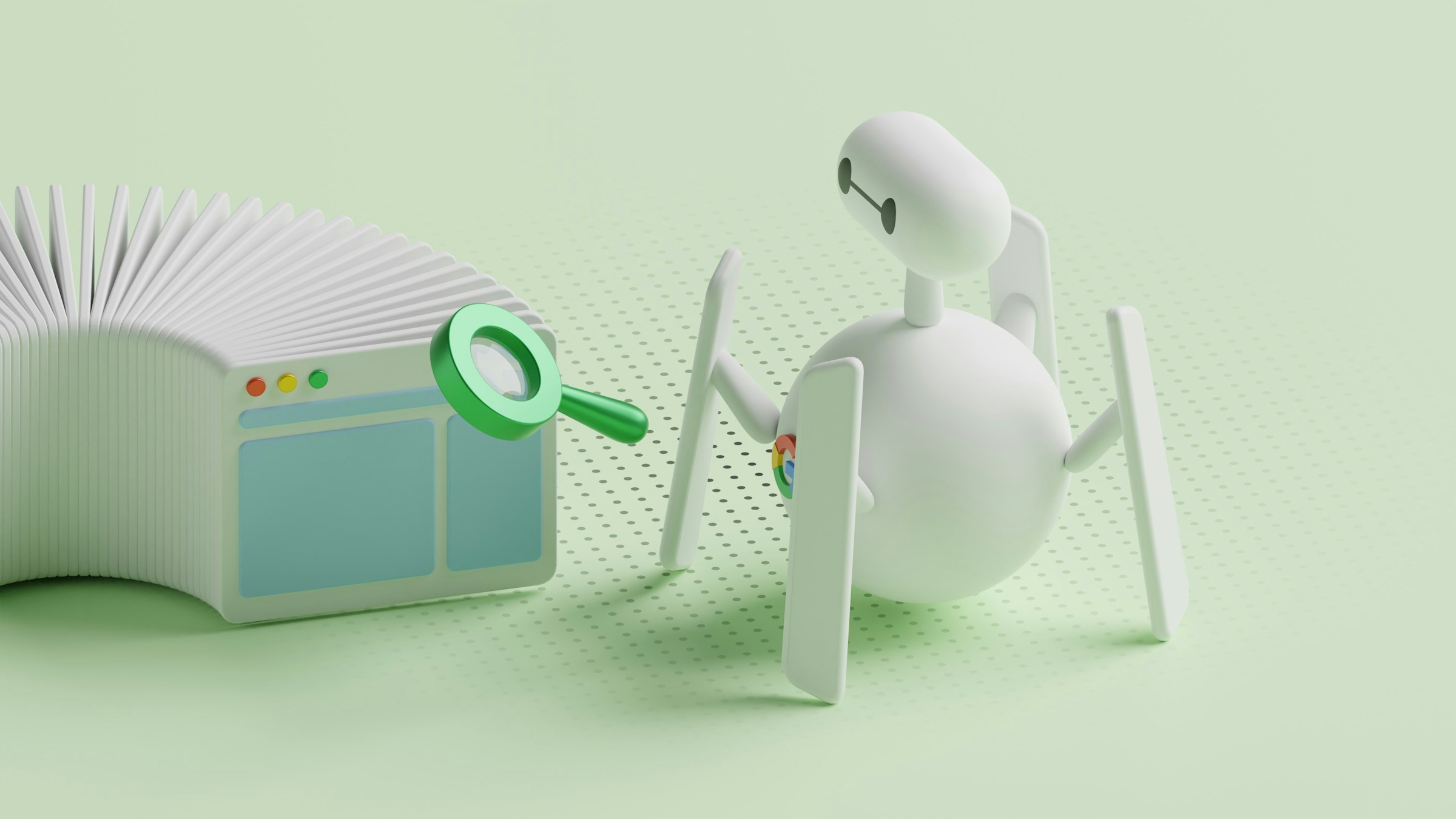
Getting your website indexed simply means Google has found your pages and added them to its database so they can appear in search results.
If your site isn’t indexed, it won’t show up, no matter how good your content is.
Many new site owners get stuck because they believe the wrong things about how indexing works.
They expect instant results, rely on quick fixes, or assume something is broken when it’s not. These misconceptions can quietly slow down your growth.
In this guide, we’ll clear things up. You’ll learn what actually matters, what doesn’t, and which common indexing myths you should stop believing right away.
For a clear roadmap, here’s the complete process of how Google indexes websites.
What Is Google Indexing? (Quick Refresher)
Google indexing is the process by which Google stores your webpage in its database so it can be shown in search results when someone looks for related information.
In simple terms, if your page isn’t indexed, it doesn’t exist on Google. To understand how it works, it helps to break it into three steps: crawling, indexing, and ranking.
Crawling is when Google discovers your page by following links or reading your sitemap, indexing is when it analyzes and stores that page, and ranking is when it decides where your page should appear in search results compared to others.
These steps happen in order, and if your page fails at the indexing stage, it never gets a chance to rank at all.
That’s why indexing is essential for visibility because it’s the gateway to getting traffic.
Without it, your content stays invisible no matter how useful or well-written it is, so your first goal as a site owner should always be making sure your pages can be found, understood, and added to Google’s index.
Why Indexing Myths Are So Common
Lack of Clear Information for Beginners
Indexing sounds technical, but most beginners are never given a simple, clear explanation of how it actually works.
Instead, they come across mixed advice, vague definitions, or overly complex guides that skip the basics. This creates confusion early on.
When you don’t fully understand the process, it’s easy to make wrong assumptions, like thinking your site should appear on Google instantly or that one small action will fix everything.
Without a solid foundation, myths fill the gaps.
Outdated SEO Advice Still Circulating
A lot of SEO advice online is years old, yet it still shows up in search results and forums. Google’s systems have evolved, but many guides haven’t.
Tactics that once worked, like mass submissions or quick indexing tricks, are no longer reliable.
New site owners often follow this outdated advice, expecting the same results, and end up frustrated when nothing happens.
The problem isn’t always your site; it’s the information you’re relying on.
Misinterpretation of Tools Like Google Search Console
Tools like Google Search Console are powerful, but they can be confusing if you don’t know what the data means.
Seeing messages like “Crawled – currently not indexed” or “Discovered – not indexed” can make it feel like something is broken, even when it’s a normal part of the process.
Many users also assume that clicking “Request Indexing” guarantees immediate results, which isn’t true.
These misunderstandings lead to unnecessary worry and reinforce common myths, when in reality, the tool is simply showing you how Google is processing your site step by step.
Myth #1: “My Website Will Be Indexed Instantly”
Many new site owners expect their pages to appear on Google within hours, but indexing is not instant.
It’s a process that takes time because Google needs to first discover your page, then analyze it, and finally decide if it’s worth adding to its index.
Several factors influence how quickly this happens, including how easily your site can be crawled, whether you have internal links pointing to new pages, the quality and originality of your content, and whether other websites link to you.
A brand-new site with no backlinks and few pages will usually be slower to get indexed than an established site with regular activity.
Technical setup also matters; issues like blocked pages, missing sitemaps, or poor site structure can delay things further.
In most cases, new pages can take anywhere from a few days to a few weeks to be indexed, while completely new websites may take longer to gain consistent visibility.
This is normal, not a sign that something is wrong. The key is to focus on making your site easy to crawl and worth indexing, rather than expecting immediate results.
Myth #2: “Submitting My Site to Google Guarantees Indexing”
Submitting your sitemap through Google Search Console helps Google discover your pages, but it does not guarantee that those pages will be indexed.
A sitemap is simply a list of URLs you want Google to look at; it acts as a signal, not a command.
After submission, Google still reviews each page to decide if it should be included in its index.
Pages may be skipped if they offer little value, repeat content found elsewhere, or lack clear structure and context.
Technical issues can also get in the way, such as blocked pages, slow load times, or poor internal linking that makes pages hard to reach.
This is why quality and crawlability matter so much.
Your content needs to be useful, clear, and easy for Google to understand, while your site should be structured in a way that allows search engines to move through it without friction.
Submitting a sitemap is a good first step, but it only works when the pages behind it are worth indexing and easy to access.
Myth #3: “More Content = Faster Indexing”
Publishing more content does not automatically speed up indexing because Google does not prioritize sites based on volume alone; it focuses on value, clarity, and usefulness.
If you add many pages that offer little new information or repeat what already exists, Google may crawl them but choose not to index them.
This is where quality and structure become critical.
Well-written pages that answer a clear question, are properly organized, and are linked to other relevant pages on your site are far more likely to be indexed than dozens of low-effort posts.
Structure helps Google understand how your content connects, while quality signals that your page is worth storing and showing to users.
Thin content (pages with very little substance, vague information, or no real purpose) often gets ignored or flagged as low value, which can slow down overall indexing across your site.
Instead of focusing on how much you publish, focus on creating fewer, stronger pages that are easy to navigate, clearly written, and genuinely helpful.
Myth #4: “If My Site Isn’t Indexed, Something Is Broken”
It’s easy to assume something is wrong when your site isn’t indexed, but in many cases, it’s simply a normal delay rather than a real problem.
Google needs time to discover, crawl, and evaluate new pages, especially on new websites with little authority or few links pointing to them.
However, there are situations where indexing issues are caused by technical barriers, and these are worth checking.
Common problems include blocking search engines in your robots.txt file, accidentally adding a “noindex” tag to important pages, or having pages that are hard to access due to poor internal linking.
These issues can prevent Google from indexing your content entirely, even if everything else looks fine.
The key is knowing when to be concerned: if your pages remain unindexed for several weeks despite being accessible, linked internally, and submitted through tools like Google Search Console, it’s time to investigate further.
Otherwise, short delays are part of the process, and staying consistent with good practices will usually resolve the issue without needing drastic changes.
Myth #5: “Google Indexes Every Page Automatically”
Google does not index every page it finds, because its goal is to store and show only pages that provide clear value to users.
Some pages are ignored simply because they don’t add anything useful, are too similar to other pages, or lack enough content for Google to understand their purpose.
Duplicate content is a common reason for this; if multiple pages say the same thing or target the same topic with little variation, Google will usually choose one version and skip the rest.
Low-value pages, such as thin blog posts, empty category pages, or auto-generated content, are also often excluded because they don’t meet quality expectations.
Another factor is crawl budget, which is the amount of attention Google gives your site when crawling pages.
On smaller sites, this isn’t usually a strict limit, but it still matters.
If your site has many low-quality or unnecessary pages, Google may spend time on those instead of focusing on your most important content.
This means fewer of your valuable pages get indexed.
The key is to keep your site focused, avoid duplication, and ensure every page serves a clear purpose so Google sees it as worth including.
Myth #6: “Backlinks Instantly Get You Indexed”
Backlinks can help Google discover your pages faster because they act as pathways from other websites to yours, but they do not guarantee that your content will be indexed.
When a trusted site links to you, Google is more likely to crawl that link and visit your page, which improves your chances of being seen. But discovery is only the first step.
After that, Google still evaluates your page to decide if it deserves a place in the index, and if the content is weak, unclear, or too similar to other pages, it may still be skipped.
This is why backlinks alone are not enough.
The quality of the linking site matters far more than the number of links you have; a few strong, relevant links from credible websites can be more effective than dozens of low-quality or unrelated ones.
Poor-quality backlinks can even slow progress by sending weak signals about your site. To improve indexing, backlinks should support solid content, not replace it.
Focus on earning links naturally from relevant sources while making sure your pages are genuinely useful and easy for Google to understand.
Myth #7: “Using ‘Request Indexing’ Means Immediate Results”
The “Request Indexing” feature in Google Search Console simply asks Google to take another look at a specific page; it does not force Google to index it or make it appear in search results right away.
When you use it, you’re triggering a recrawl request, which means Google may revisit the page sooner than it normally would, but it still goes through the same evaluation process before deciding whether to index it.
This is why it’s not a magic button, because if the page has low-quality content, technical issues, or doesn’t provide enough value, it can still be ignored even after multiple requests.
The feature works best in specific situations, such as when you’ve just published a new page, updated important content, or fixed an issue that may have blocked indexing before.
Used correctly, it can speed up discovery, but it cannot replace the need for strong content and a well-structured site.
Myth #8: “If It’s Indexed, It Will Rank”
Getting your page indexed simply means Google has stored it in its database, but ranking is a completely separate step where Google decides where your page should appear compared to others.
A page can be indexed and still sit far down in search results where no one sees it.
This is why many indexed pages get zero traffic. They exist in Google, but they aren’t competitive enough to rank for relevant searches.
Factors like content quality, search intent, keyword relevance, site authority, and user experience all play a role in ranking, not just indexing.
If your page doesn’t match what users are searching for or doesn’t stand out from other results, it won’t perform well. This is where SEO goes beyond indexing.
You need to optimize your content so it answers real questions clearly, structure it so it’s easy to read, and build trust through links and consistency.
Indexing gets your foot in the door, but ranking is what actually brings traffic.
How to Actually Improve Indexing (Practical Tips)
Submit a Sitemap
A sitemap gives Google a clear list of the pages you want it to find and review.
By submitting it through Google Search Console, you make it easier for Google to discover new or updated content without relying only on links.
This doesn’t guarantee indexing, but it removes guesswork and ensures your important pages are visible to Google from the start.
Use Internal Linking
Internal links help Google move through your site and understand how your pages connect.
When you link to a new page from existing ones, you guide Google directly to it and signal that it matters.
Pages with no internal links are often missed or seen as less important, so make sure every key page is linked from at least one other relevant page on your site.
Ensure Pages Are Crawlable
If Google can’t access your pages, it can’t index them. Check that your robots.txt file isn’t blocking important sections and that you’re not using “noindex” tags by mistake.
Your pages should load properly, be mobile-friendly, and not require special actions (like logins) to view.
Clean, simple access makes it easier for Google to crawl and evaluate your content.
Improve Content Quality
Google prioritizes pages that provide clear, useful information. Each page should have a purpose, answer a specific question, and offer real value to the reader.
Avoid thin or repetitive content, as it often gets ignored.
Strong content makes it easier for Google to understand what your page is about and increases the chances of it being indexed.
Monitor with Google Search Console
Google Search Console gives you direct feedback on how Google is interacting with your site. You can see which pages are indexed, which are not, and why.
This helps you spot issues early, track progress, and make informed changes. Instead of guessing, you can rely on real data to guide your indexing efforts.
Common Signs Your Site Has Indexing Issues
Pages Not Appearing in Search
One of the clearest signs of an indexing issue is when your pages don’t show up on Google at all, even when you search for the exact page title or URL.
This usually means the page hasn’t been indexed, not just that it’s ranking low.
Common causes include blocked access (like robots.txt rules or noindex tags), weak internal linking, or content that Google doesn’t see as valuable enough to include.
If Google can’t crawl your page or doesn’t think it’s useful, it simply won’t appear in search results.
This is often the first signal that something needs attention, but it’s also one of the easiest to check and fix once you know where to look.
“Crawled – Currently Not Indexed” Status
This status in Google Search Console means Google has already visited your page but decided not to include it in its index.
In simple terms, Google knows your page exists, but isn’t convinced it should be shown in search results.
This can happen for several reasons, such as low-quality or duplicate content, weak internal linking, or pages that don’t add enough unique value.
It’s important to understand that this is not always an error because sometimes Google just needs more time to evaluate the page, but if it persists, it’s a sign that your content or structure may need improvement.
Sudden Drops in Indexed Pages
A sudden drop in the number of indexed pages often signals a deeper issue that needs quick attention.
This can happen if pages are accidentally blocked (for example, by adding a noindex tag), if technical errors prevent Google from accessing your site, or if Google reassesses your content and removes pages it considers low quality.
In some cases, algorithm updates can also lead to pages being removed from the index if they don’t meet updated quality standards.
When you notice a sharp decline, the key is to act quickly: check for recent changes, review your technical settings, and identify whether content quality could be the cause.
Final Thoughts
Indexing is not instant, and it’s never guaranteed. Google needs time to find, review, and decide if your pages are worth adding.
Stay consistent with the basics. Make your site easy to crawl, create useful content, and fix issues when they appear.
Focus on long-term SEO, not quick wins. When you get the fundamentals right, indexing becomes a natural result, and not a struggle.
If you want better results, understand how indexing fits into your overall SEO strategy.
FAQs
It’s the process where Google stores your webpage in its database so it can appear in search results.
It can take a few days to a few weeks, depending on your site’s quality, structure, and visibility.
Common reasons include low-quality content, weak internal linking, or technical issues like blocked pages or noindex tags.
No, but you can request indexing using Google Search Console and improve your chances with good SEO practices.
No, indexing only means your page is stored by Google; ranking depends on relevance, quality, and competition.





I’m Alex Crawley, an SEO specialist with 7+ years of hands-on experience helping new websites get indexed on Google. I focus on simplifying technical indexing issues and turning confusing problems into clear, actionable fixes.