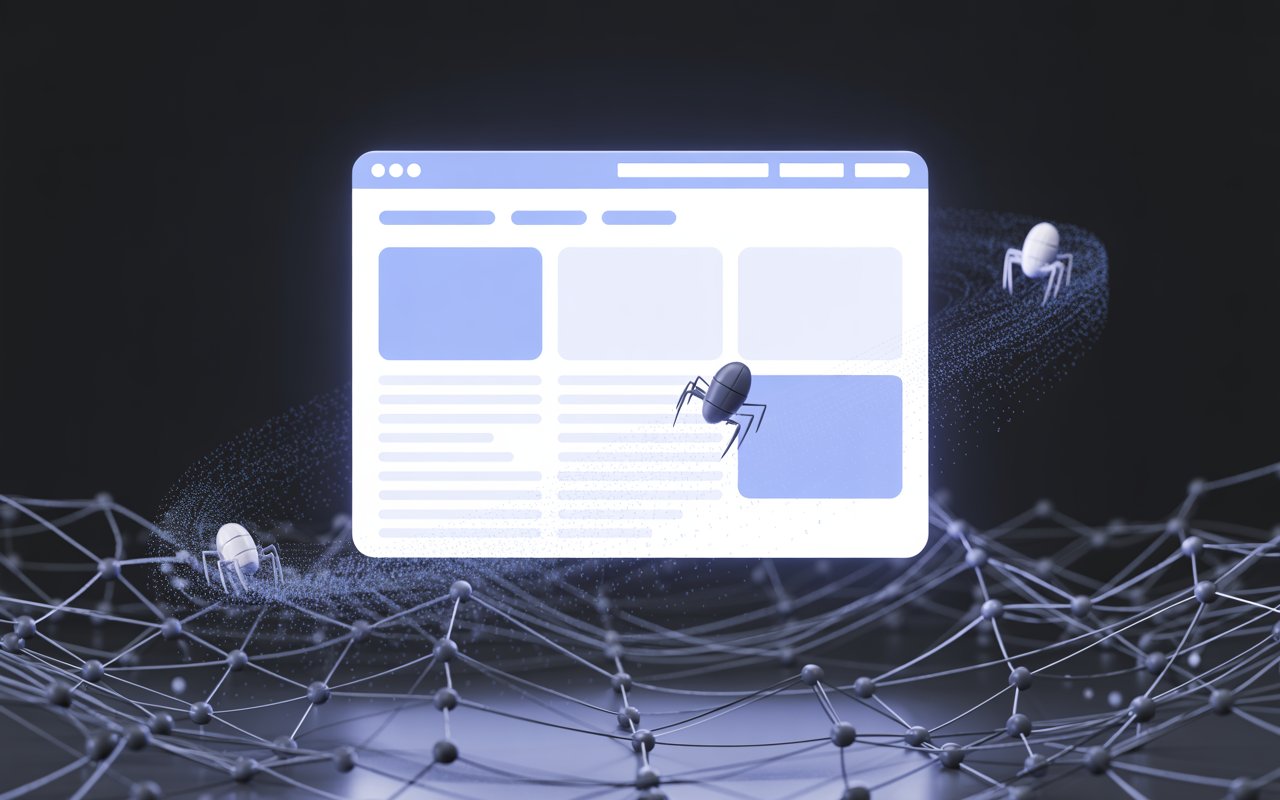
Server downtime affects indexing when Googlebot tries to visit your site and gets errors instead of real pages.
At first, this is not a big problem. If the downtime is short, Google simply tries again later, and your rankings usually stay the same.
The problem starts when the errors continue. Google begins to crawl your site less often to avoid wasting resources.
This slows down how quickly new or updated pages are indexed.
If the downtime lasts longer, Google may remove pages from its index. This leads to ranking drops and loss of traffic.
The key takeaway is simple: Google can’t rank what it can’t access.
Having other issues in Google Search Console? Check out this detailed technical indexing guide.
Key Takeaways
- Google prioritizes accessible, reliable websites
If your site is consistently online and responds correctly, Google crawls it more often and trusts it more. - Downtime impacts crawling before rankings
Google first reduces crawl activity when errors occur. Rankings drop only if the issue continues. - Duration determines severity
Short outages have little impact. Longer downtime leads to crawl reduction, deindexing, and traffic loss. - Proper handling prevents SEO damage
Use 503 status codes for maintenance and set up uptime monitoring to fix issues before they escalate.
How Google Indexing Works (Beginner Foundation)
Crawling vs Indexing vs Ranking
To understand how downtime affects your site, you need to know how Google processes your pages step by step.
These three stages are often confused, but they are very different:
- Crawling: This is when Google discovers your pages. Googlebot visits your site by following links or sitemaps and tries to access each URL. If your server is down, crawling fails at this stage.
- Indexing: After crawling, Google decides whether to store your page in its database. It analyzes the content, quality, and relevance. If Google cannot access your page consistently, it may not index it or may remove it later.
- Ranking: Once a page is indexed, Google decides where it should appear in search results. This depends on many factors like relevance, quality, and user experience. If a page is not indexed, it cannot rank at all.
The key point is simple: crawling must happen first. If downtime blocks crawling, indexing, and ranking cannot follow.
Role of Googlebot in Website Discovery
Googlebot is the system Google uses to find and revisit pages across the web.
It does not visit every site equally. Instead, it decides how often to crawl based on trust, activity, and reliability.
- Crawl frequency: Popular and frequently updated sites are crawled more often. If your site is stable and fast, Googlebot visits regularly. If your site has downtime or errors, Google reduces how often it crawls your pages.
- Crawl priority: Important pages (like your homepage or high-traffic content) are crawled first. Internal linking helps Google understand which pages matter most.
- Server response signals: Googlebot adjusts its behavior based on how your server responds. Fast, error-free responses increase crawl activity. Repeated errors or timeouts cause Google to slow down or stop crawling.
Googlebot rewards reliable websites. If your server stays online and responds correctly, your pages are discovered and updated faster.
If not, your visibility in search gradually declines.
What Happens When Your Server Goes Down
First Crawl Failure (Initial Response)
When your server goes down for the first time, Googlebot attempts to access your pages but receives an error such as a 5xx status code or a timeout.
At this stage, Google does not immediately remove your pages from its index. Instead, it assumes the issue is temporary.
Your existing rankings and indexed pages are usually preserved, and Google may continue to show cached versions of your content in search results.
This means short outages often have little to no lasting SEO impact, as long as the site comes back online quickly and starts responding normally again.
Repeated Failures & Crawl Backoff
If Googlebot continues to encounter errors on multiple attempts, it starts to adjust its behavior.
To avoid wasting resources, Google reduces how often it crawls your site. This is known as crawl backoff.
As a result, fewer pages are visited, and updates or new content take longer to be discovered.
Over time, this reduced crawl activity signals that your site may be unreliable.
The longer the errors continue, the more cautious Google becomes, which can slow down indexing and weaken your overall search visibility.
Extended Downtime → Deindexing Begins
When downtime continues for an extended period, Google shifts from temporary caution to corrective action.
If pages remain inaccessible, Google may begin removing them from its index because it can no longer verify that the content exists.
This leads to a loss of rankings and organic traffic. In more severe cases, large portions of the site can disappear from search results.
Recovery then takes longer because Google must crawl and reindex each page after the site is restored.
This is why prolonged downtime has the most serious SEO consequences.
How Downtime Affects Google Indexing
Reduced Crawl Frequency
When your site starts returning errors, Googlebot quickly adjusts how often it visits. At first, it retries a few times to confirm the issue.
If the problem continues, Google reduces crawl frequency to avoid wasting resources.
This means fewer pages are checked, and updates are discovered more slowly.
Even after your site is back online, it can take time for crawl activity to return to normal.
To fix this, restore server stability first, then ensure fast response times so Googlebot regains confidence in your site.
Crawl Budget Waste (Content Gap Addition)
Every site has a limited crawl budget, which is the number of pages Googlebot is willing to crawl within a given time.
When your server is down, this budget is wasted on failed requests instead of useful content.
As a result, important pages may not be crawled or updated when they should be.
New pages can remain undiscovered, and existing pages may not reflect recent changes in search results.
To prevent this, minimize downtime and fix errors quickly so Googlebot can spend its crawl budget on valuable pages instead of retries.
Temporary vs Permanent Deindexing
Not all indexing issues are permanent, but the difference depends on how long your site stays down.
With short outages, Google keeps your pages indexed and simply pauses crawling. Once your site is back, everything usually returns to normal.
However, with longer downtime, Google may remove pages from its index because it cannot verify their availability.
This is called deindexing. Temporary deindexing can be reversed quickly after recovery, but permanent removal takes longer because Google must rediscover and reprocess each page.
The key is to act fast. Short disruptions are recoverable, but prolonged downtime increases the risk of lasting SEO damage.
Downtime Duration vs SEO Impact (Timeline Breakdown)
Under 1 Hour – No Real Impact
Short outages are usually ignored by Google.
Googlebot may fail to access your pages once or twice, but it assumes the issue is temporary and retries later.
Your pages remain indexed, and rankings stay stable.
If your site comes back quickly and responds normally, there is no lasting SEO damage.
1–24 Hours – Minor Fluctuations
As downtime extends, Google starts to notice repeated errors.
Crawl activity may slow slightly, and some pages might not be refreshed as often.
Rankings can fluctuate, but changes are usually temporary.
Once the site is restored, Googlebot resumes crawling, and performance typically returns to normal within a short time.
1–3 Days – Partial Deindexing
At this stage, the impact becomes more serious.
Google reduces crawl frequency more aggressively and may begin removing some pages from its index, especially less important or rarely visited ones.
New content is unlikely to be discovered, and existing pages may lose visibility.
Recovery is still possible, but it may take several days for indexing and rankings to stabilize.
3+ Days – Significant Ranking Loss
Extended downtime signals a reliability issue.
Google may deindex larger portions of your site, including important pages.
Rankings drop noticeably, and organic traffic declines.
Crawl activity becomes very limited, which slows recovery even after the site is back online.
You will need to actively monitor and request reindexing to speed up the process.
1+ Week – Severe Index Loss
A full week of downtime can cause major SEO damage.
Google may remove most or all of your pages from its index because it assumes the site is no longer available.
Trust in your site drops, and crawl frequency remains low even after recovery.
Rebuilding visibility can take weeks or longer, as Google must rediscover, crawl, and reindex your content from scratch.
HTTP Status Codes and Their SEO Impact
500 Internal Server Error
A 500 error means your server failed unexpectedly and could not process the request.
Googlebot treats this as a real problem because it does not know if the issue is temporary or ongoing.
If it happens once, Google retries later. If it happens repeatedly, crawl rate drops and indexing slows.
- Signals instability to Google
- Triggers crawl retries, then crawl reduction
- Can lead to ranking loss if persistent
What to do: Fix the root cause quickly (server overload, code errors, plugins). Monitor logs to stop repeated failures.
503 Service Unavailable (Best Practice)
A 503 status code tells Google your site is temporarily unavailable but will return soon.
This is the correct response during planned maintenance.
Google understands this signal and avoids deindexing your pages right away.
- Clearly communicates temporary downtime
- Protects your indexed pages
- Supports faster recovery after downtime
Best practice steps:
- Return a 503 status during maintenance
- Add a Retry-After header (tells Google when to come back)
- Keep downtime as short as possible
404 vs 5xx Errors (Critical Difference)
A 404 error means the page does not exist. A 5xx error means the server failed.
This difference is critical for SEO. Google treats 404s as intentional removal, while 5xx errors are treated as temporary issues.
- 404 errors:
- Faster deindexing
- Signals permanent removal
- Should only be used when the content is gone
- 5xx errors:
- Signals temporary failure
- Slows crawling instead of immediate removal
- Safer during short outages
Key takeaway: Never return 404 for temporary issues. Use 503 instead.
DNS Failures & Timeouts (Advanced Gap)
DNS failures and timeouts are among the most serious issues because Google cannot even reach your server.
From Google’s perspective, your entire site disappears.
- No connection to your domain
- All pages become inaccessible at once
- Can trigger a rapid crawl drop and deindexing
Common causes:
- DNS misconfiguration
- Expired domain or DNS records
- Network or hosting outages
What to do:
- Use reliable DNS providers
- Monitor uptime and DNS health
- Fix issues immediately to avoid full index loss
Does Downtime Immediately Affect Rankings?
Google’s Official Position
Short outages do not usually cause immediate ranking drops.
When Googlebot hits a temporary error, it assumes the issue will be fixed and tries again later.
During this period, your pages often stay indexed, and rankings remain stable.
Google has explained that brief downtime is normal on the web, so it does not react aggressively to isolated failures.
As long as your site comes back quickly and starts responding properly, there is typically no lasting impact.
When Rankings Actually Drop
Rankings begin to drop only after repeated crawl failures over time.
If Googlebot continues to encounter errors, it reduces how often it crawls your site.
This slows down indexing and signals that your site may be unreliable.
If the problem continues, Google may start removing pages from its index, which directly affects rankings and traffic.
The key trigger is not a single outage, but consistent inaccessibility.
Fixing issues quickly prevents this chain reaction and protects your visibility.
How Long Does It Take to Recover from Downtime?
Recovery Timeline by Severity
Recovery time depends on how long your site was unavailable and how much of it was affected.
Short outages recover quickly.
Longer ones take more time because Google must rebuild trust and crawl your pages again.
- Few minutes to a few hours: Recovery is almost instant. Crawling resumes, and rankings stay stable.
- Up to 24 hours: Minor fluctuations may occur, but most sites recover within a day or two.
- 1–3 days: Partial deindexing may happen. Recovery can take several days as Google gradually restores crawl activity.
- 3+ days: Noticeable ranking loss. Recovery may take weeks, especially for large sites.
- 1+ week: Severe impact. Full recovery can take weeks or even months, depending on how quickly Google reprocesses your site.
The longer the downtime, the slower the recovery. Quick fixes always lead to faster results.
Reindexing Process Explained
Recovery does not happen instantly after your site is back online.
Google must first crawl your pages again, then decide to reindex them before rankings can return.
- Googlebot revisits your site and checks if pages are accessible
- Pages are reprocessed and added back to the index
- Rankings are recalculated based on current signals
If crawl frequency is reduced during downtime, this process takes longer.
You can speed it up by fixing errors, improving site performance, and requesting indexing for key pages in Google Search Console.
Why Some Sites Recover Faster
Not all sites recover at the same speed. Google prioritizes sites it trusts and visits often.
- High-authority sites: Crawled more frequently, so recovery is faster
- Strong internal linking: Helps Google rediscover important pages quickly
- Frequent updates: Signals that the site is active and worth revisiting
- Stable performance: Fast, error-free servers increase crawl confidence
Smaller or less active sites may take longer because Google visits them less often.
Make your site easy to crawl, reliable to access, and clear in structure so recovery happens as quickly as possible.
Advanced Scenarios That Can Hurt Your Indexing
Partial Downtime (Some Pages Down)
Not all outages affect your entire site. Sometimes, only specific pages fail while others work normally.
This can be harder to detect, but it still harms SEO.
- Google continues crawling working pages but skips broken ones
- Affected URLs may lose rankings or be deindexed over time
- Internal links pointing to broken pages lose value
What to do:
- Monitor crawl errors in Google Search Console
- Fix broken sections quickly (often caused by plugins, databases, or URLs)
- Ensure key pages (homepage, top content) are always accessible
CDN Failures vs Server Failures
A CDN (Content Delivery Network) can fail even when your server is working, or vice versa.
Googlebot only sees the final response, not the cause.
- CDN failure: Users and Google may get errors even if your origin server is fine
- Server failure: The entire site becomes inaccessible at the source
Key difference: CDN issues can be inconsistent, affecting some regions or users only, while server failures are usually global.
What to do:
- Use a reliable CDN with failover support
- Set up monitoring from multiple locations
- Ensure your origin server can handle direct traffic if the CDN fails
Blocked Googlebot by Firewall
Sometimes your site is technically “online,” but Googlebot is blocked by security systems.
This creates a hidden SEO problem.
- Firewalls or security plugins may block Googlebot IPs
- Rate limiting can prevent proper crawling
- Incorrect bot detection may treat Google as a threat
What to do:
- Whitelist Googlebot IP ranges
- Check server logs for blocked requests
- Test access using URL inspection tools
If Google cannot access your site, it behaves the same as downtime.
Traffic Spikes Causing Temporary Errors
Sudden traffic spikes can overload your server and cause temporary downtime.
This often happens during promotions, viral content, or peak sales periods.
- Server returns 5xx errors due to overload
- Googlebot encounters failed requests and reduces crawling
- Important pages may not be indexed during peak moments
What to do:
- Use scalable hosting or cloud infrastructure
- Enable caching and load balancing
- Prepare for high-traffic events in advance
Mobile vs Desktop Crawl Differences
Google primarily uses mobile-first indexing, which means it mainly crawls your site as a mobile user.
Downtime can affect mobile and desktop differently.
- Mobile version issues can impact indexing more directly
- Desktop-only errors may still affect some crawling signals
- Separate mobile URLs or configurations increases risk
What to do:
- Ensure your mobile site is always accessible and fast
- Test both mobile and desktop versions regularly
- Avoid configuration errors between versions
In advanced scenarios, the problem is not always obvious.
The key is consistent monitoring and fast response.
Even partial or hidden issues can lead to lost rankings if ignored.
How to Prevent Downtime from Affecting Indexing
Use Uptime Monitoring Tools
You need to know about downtime before Google does.
Monitoring tools check your site every few minutes and alert you the moment something breaks.
This lets you fix issues quickly, often before Googlebot is affected.
- Get instant alerts via email, SMS, or apps
- Monitor from multiple locations to detect regional issues
- Track uptime history to spot recurring problems
Tools like UptimeRobot and StatusCake are widely used for this purpose.
Fast detection reduces downtime duration, which directly protects your indexing and rankings.
Choose Reliable Hosting Infrastructure
Your hosting setup plays a major role in uptime.
Cheap or overloaded servers fail more often, which increases SEO risk.
A stable infrastructure ensures your site stays accessible to both users and Googlebot.
- Shared hosting: Lower cost, but resources are shared and can lead to slowdowns or crashes
- VPS or cloud hosting: Dedicated resources, better stability, and improved performance
- Managed hosting: Optimized environments with built-in monitoring and support
Choose a provider with strong uptime guarantees and scalable resources.
Reliable hosting reduces the chances of repeated errors that can hurt crawling and indexing.
Implement Proper Maintenance Mode (503)
Planned downtime should never look like a crash to Google.
When you need to take your site offline for updates, use a 503 Service Unavailable status code.
Google officially recommends this because it signals that the downtime is temporary.
- Prevents pages from being deindexed
- Tells Googlebot to come back later
- Keeps your SEO intact during maintenance
Best practices:
- Return a 503 status instead of 404 or 500
- Add a “Retry-After” header to guide Googlebot
- Keep maintenance windows as short as possible
Optimize Server Performance
A fast and stable server reduces the risk of downtime and errors.
Performance issues often lead to timeouts or 5xx errors, which affect crawling.
- Caching: Reduces server load by serving stored versions of pages
- CDN (Content Delivery Network): Distributes content globally to improve speed and reliability
- Load balancing: Spreads traffic across multiple servers to prevent overload
These optimizations ensure your site can handle traffic spikes and maintain consistent uptime.
Downtime vs Other SEO Factors
Impact on Core Web Vitals
Downtime and server instability directly affect Core Web Vitals, especially when pages load slowly or fail to load at all.
Google measures real user experience, so even temporary issues can impact these metrics.
- LCP (Largest Contentful Paint): Slow or failed loading increases load time
- INP (Interaction to Next Paint): Delays occur when the server struggles to respond
- CLS (Cumulative Layout Shift): Less affected, but unstable loading can still cause layout issues
If your server returns errors or times out, these metrics worsen.
Over time, this can reduce page quality signals and affect rankings.
Stable hosting and fast response times help maintain strong Core Web Vitals.
Impact on User Experience Signals
Downtime does not just affect bots. It affects real users first.
When visitors cannot access your site, they leave quickly and may not return.
- Users encounter error pages instead of content
- Sessions drop as visitors exit immediately
- Trust decreases when outages happen often
Google uses user experience as a ranking factor.
If users consistently have a poor experience, your site becomes less competitive in search results.
Reliable uptime ensures users can access your content without frustration.
Indirect SEO Effects (Bounce Rate, Trust)
Even after your site is back online, downtime can leave lasting effects.
These are indirect signals, but they still influence performance.
- Higher bounce rates: Users leave when pages fail to load
- Lower engagement: Fewer page views and shorter sessions
- Reduced trust: Visitors may avoid returning to an unreliable site
These signals can weaken your overall SEO performance over time.
While downtime itself is the trigger, the long-term impact comes from lost user confidence and reduced engagement.
What to Do After Downtime (Recovery Checklist)
Check Google Search Console Errors
- Open Google Search Console → Indexing > Pages and review errors
- Look for 5xx errors, DNS issues, and crawl anomalies
- Use the URL Inspection Tool to test affected pages
- Confirm pages now return 200 (OK) status
- Check Coverage report for “Excluded” or “Crawled – currently not indexed”
- Fix any remaining accessibility issues immediately
Request Reindexing for Key Pages
- Identify your most important pages (homepage, top traffic pages, revenue pages)
- Use URL Inspection Tool → Request Indexing
- Submit an updated XML sitemap to prompt faster crawling
- Ensure pages load quickly and return the correct status code
- Avoid requesting indexing for every page—prioritize high-value URLs
Monitor Crawl Stats
- Go to Settings → Crawl stats in Google Search Console
- Check if crawl activity is increasing after recovery
- Watch for:
- Crawl requests are rising back to normal levels
- Reduced server errors over time
- Faster response times
- If crawl rate stays low, improve server performance and internal linking
Fix Root Cause (Hosting, Plugins, Traffic Spikes)
- Identify what caused the downtime before it happens again
- Common causes to investigate:
- Hosting issues: Upgrade to a more reliable or scalable infrastructure
- Plugin/theme conflicts: Remove or replace unstable components
- Traffic spikes: Implement caching, CDN, and load balancing
- Server overload: Optimize database and backend processes
- Set up uptime monitoring alerts to detect future issues early
- Test your site under load to ensure stability
Final Check (Before Moving On)
- Confirm all key pages are accessible and indexed
- Ensure no critical errors remain in Search Console
- Monitor rankings and traffic over the next few days
After reading this guide, I’d recommend checking out this guide to technical Google indexing problems to help identify other potential issues.
FAQs
Yes. Repeated downtime reduces crawling and can lead to deindexing.
Usually, after 24–72 hours of continuous errors.
Yes. Once pages are reindexed, rankings often return.
Use 503 Service Unavailable with a Retry-After header.
No. Short outages usually have no lasting impact.





I’m Alex Crawley, an SEO specialist with 7+ years of hands-on experience helping new websites get indexed on Google. I focus on simplifying technical indexing issues and turning confusing problems into clear, actionable fixes.