You publish a new page… and nothing happens. No traffic. No impressions. It’s like Google doesn’t even know it exists.
This is more common than you think, and usually comes down to one simple issue: your page hasn’t been discovered yet.
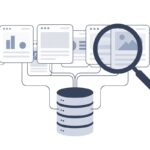
Before a page can rank, Google has to go through three steps: discovery (finding the page), crawling (reading it), and indexing (storing it).
If your page gets stuck at the first step, everything else stops.
“Force Google to discover your page” doesn’t mean using hacks or shortcuts.
It means sending clear, strong signals that guide Google straight to your content—quickly and safely.
In this guide, you’ll learn exactly how to do that, step by step.
If you’re having issues with other indexing issues, read this simple guide to fixing Google indexing problems.
How Google Discovers New Pages
Crawling via Internal Links
Google mainly finds new pages by following links. When one page on your site links to another, it creates a path for Google to move through your content.
This is why internal linking matters so much. If your new page is linked from a page that Google already visits often, it’s far more likely to be discovered.
On the other hand, if nothing links to it, Google has no clear way to find it.
Think of internal links as roads. The more direct and connected the road, the easier it is for Google to reach your page.
XML Sitemaps
An XML sitemap is a file that lists your important URLs. It acts like a guide that tells Google, “These pages exist, and they matter.”
However, a sitemap is only a suggestion and not a command. Submitting a page in your sitemap does not guarantee Google will visit it. It simply increases visibility.
Clean sitemaps work best. Only include pages you actually want discovered and indexed.
If your sitemap is filled with low-quality or unnecessary URLs, Google may start ignoring it.
External Backlinks
Backlinks are one of the fastest ways to get a page discovered. When another website links to your page, Google can follow that link and find your content.
This works especially well if the linking site is already trusted and frequently crawled. Even a single good backlink can trigger discovery.
Not all links are equal. Low-quality or spammy links may be ignored, while relevant and natural links send stronger signals.
Manual Submission via Google Search Console
You can also submit a page directly using the URL Inspection tool. This tells Google your page exists and asks it to take a look.
This method is useful for new or updated pages. It can speed up discovery, but it doesn’t guarantee anything. Google still decides if and when to crawl the page.
Use this feature wisely. Repeated submissions won’t force faster results and can become ineffective over time.
Why Discovery Is Not Guaranteed
Even if you do everything right, Google may still delay or skip discovery. This usually comes down to priorities.
Google focuses on pages it believes are valuable and worth its resources.
If your site has low authority, weak internal linking, or thin content, your pages may not be crawled quickly, or at all.
Technical issues can also block discovery. Pages hidden behind poor structure, broken links, or incorrect settings may never be found.
The key takeaway is simple: you can guide Google, but you can’t control it. Your job is to make discovery as easy and clear as possible.
The Safest Ways to Get Google to Discover New Pages Faster
1. Use Internal Linking Strategically
Link from high-authority pages
Start with pages on your site that already get traffic or are indexed well.
These pages are crawled more often, so adding a link from them gives your new page a fast entry point into Google’s crawl path.
If a page is already trusted and visited regularly, anything it links to becomes easier for Google to find.
Place links contextually (not just menus)
Navigation menus help, but they’re not enough on their own. Contextual links inside your content carry more weight because they show relevance.
For example, linking to a new post from within a related paragraph sends a clearer signal than placing it in a footer or sidebar.
Use descriptive anchor text
The clickable text of your link should describe the page. This helps Google understand what it’s about before even visiting it.
Avoid vague phrases like “click here.” Clear anchor text improves both discovery and understanding.
2. Submit URLs via Google Search Console
How to use the URL Inspection tool
In Google Search Console, paste your page URL into the inspection bar. If the page isn’t indexed, you’ll see an option to “Request Indexing.”
This sends a direct signal to Google that your page is ready to be crawled.
When to request indexing
Use this for:
- Brand new pages
- Recently updated content
- Important pages that need faster visibility
It’s most effective when combined with strong internal links.
Limitations of manual submission
This is a request, not a command. Google may crawl your page quickly, or not at all.
There are also limits on how many requests you can make. Repeating the same request won’t speed things up and can reduce effectiveness over time.
3. Add Pages to Your XML Sitemap
Why sitemaps still matter
An XML sitemap gives Google a structured list of your important pages. It acts as a backup discovery method, especially for newer or deeper pages.
It doesn’t replace links, but it supports them.
Best practices (clean, updated, relevant URLs only)
Only include pages you want indexed. Remove broken, duplicate, or low-value URLs.
A focused sitemap helps Google prioritize what matters instead of wasting time on unnecessary pages.
Submitting and refreshing your sitemap
Upload your sitemap to Google Search Console and keep it updated as you publish new content.
Each update is a signal that something new is available to crawl.
4. Build External Backlinks
Why backlinks trigger discovery
Google constantly crawls other websites. When your page gets a link from another site, it creates a new path for discovery.
This is one of the fastest ways to get noticed, especially if the linking site is active and trusted.
Simple ways to get links
- Add your website to social profiles
- Submit to relevant directories
- Use niche edits on existing articles
- Share content with communities in your space
Even a few quality links can make a difference.
Avoiding spammy link tactics
Low-quality or automated links are often ignored. In some cases, they can slow down trust.
Focus on relevance and quality. One good link is worth more than dozens of weak ones.
5. Share Pages on High-Crawl Platforms
Social media (Twitter/X, LinkedIn, etc.)
Platforms like Twitter (X) and LinkedIn are crawled frequently. Posting your link there increases the chances that bots will see it quickly.
You don’t need viral engagement. Just getting the link out there is enough to help discovery.
Content platforms (Medium, Reddit)
Sites like Medium and Reddit are also crawled often. Sharing your content or referencing it in discussions can create additional discovery paths.
Why these help bots find your content faster
Google doesn’t rely on one source. The more places your link appears, the more entry points exist.
This increases the chances that your page gets picked up quickly, especially when combined with internal links and sitemap signals.
Technical Factors That Affect Discovery
Crawl Budget Basics
Google doesn’t crawl every page on the internet at once. It assigns each site a “crawl budget,” which is the amount of time and resources it’s willing to spend crawling your pages.
If your site is small, this usually isn’t a major limit. But wasted budget still matters.
When Google spends time on low-value pages, duplicate URLs, or errors, it may delay discovering your new content.
The goal is simple: make sure Google spends its time on your most important pages. Clean up unnecessary URLs, fix errors, and keep your site focused.
Site Structure and Depth (Click Distance)
How your site is organized directly affects discovery. Pages that are easy to reach get discovered faster.
If a page is buried deep (four or five clicks from your homepage), Google is less likely to find it quickly. In some cases, it may not find it at all.
Keep your structure shallow and logical. Important pages should be reachable within a few clicks.
Group related content together and link them naturally. This creates clear paths for both users and search engines.
Page Speed and Server Response
Speed matters more than most people think. If your site is slow or your server takes too long to respond, Google may reduce how often it crawls your pages.
Fast-loading pages are easier to crawl. Slow or unstable sites waste crawl resources.
Focus on basics:
- Fast hosting
- Optimized images
- Minimal unnecessary scripts
A responsive site increases the chances that Google will crawl more pages, more often.
Proper Use of robots.txt and Meta Tags
Your site can accidentally block Google without you realizing it.
The robots.txt file tells search engines which pages they can or cannot crawl. If misconfigured, it can stop discovery entirely.
Meta tags like noindex and nofollow also control how pages are handled. A “noindex” tag tells Google not to include the page in search results, even if it’s discovered.
Always double-check these settings. One small mistake can prevent your page from being found or indexed.
Avoiding Orphan Pages
An orphan page is a page with no internal links pointing to it. This is one of the most common reasons pages aren’t discovered.
If nothing links to a page, Google has no clear path to reach it. Even if it’s in your sitemap, discovery becomes less reliable.
Every important page should have at least one internal link, ideally more. Connect new pages to existing content as soon as they’re published.
This keeps your site fully connected and ensures nothing gets left behind.
What NOT to Do (Risky or Ineffective Tactics)
Spammy Backlinks or Automated Link Building
Buying cheap links or using automated tools may seem like a quick win. In reality, these links are often ignored by Google or treated as low trust.
Google’s systems are built to detect unnatural patterns. Large volumes of low-quality links from unrelated sites don’t help discovery.
They can even slow things down by reducing overall site trust.
Focus on a few relevant, real links instead. Discovery improves when links come from pages that are actually crawled and trusted.
Repeated Indexing Requests
Using the request feature in Google Search Console too often doesn’t speed things up.
Each request is just a signal. Submitting the same URL again and again doesn’t increase priority. In some cases, it becomes noise.
Use it once when the page is ready. Then let your internal links, sitemap, and external signals do the rest.
Thin or Low-Quality Content
Pages with little value are often skipped. If your content is too short, vague, or copied, Google may decide it’s not worth crawling or indexing.
Discovery is tied to quality. When your site consistently publishes useful content, Google is more likely to return and explore new pages.
Every page should have a clear purpose. If it doesn’t help the reader, it won’t help your visibility.
Duplicate Pages
Creating multiple versions of the same content confuses search engines.
Google may struggle to decide which version to crawl or index. In many cases, it will ignore duplicates altogether.
Keep your content unique. If similar pages are necessary, use proper canonical tags to show which version should be prioritized.
Overloading Sitemaps with Junk URLs
A sitemap should guide Google and not overwhelm it.
Adding every possible URL, including low-quality, duplicate, or unnecessary pages, reduces its effectiveness. Google may start ignoring the sitemap if it’s filled with noise.
Keep it clean. Only include pages you want discovered and indexed. A focused sitemap sends a stronger signal and improves crawl efficiency.
How Long Does Discovery Take?
Discovery can happen in minutes, or it can take weeks. There is no fixed timeline because Google prioritizes pages based on signals, not requests.
A new page on a strong, active site with good internal links and a submitted sitemap can be discovered within hours.
In contrast, a page on a new or low-authority site may sit unnoticed for days or longer.
Several factors influence this speed: how often your site is crawled, how well your pages are internally linked, whether your sitemap is updated, and whether external links are pointing to the page.
Technical performance also plays a role because slow servers or poor structure can delay crawling. Content quality matters just as much.
If your site consistently publishes useful, original content, Google is more likely to check it more often. Some pages never get discovered at all.
This usually happens when they are not linked internally, buried too deep, blocked by technical settings, or seen as low value.
Basically, faster discovery comes from stronger signals. When your site is easy to crawl, well-connected, and worth visiting, Google responds quicker.
How to Check If Google Has Discovered Your Page
Using Google Search Console
The most reliable way to check discovery is through Google Search Console.
Paste your page URL into the URL Inspection tool. You’ll see one of a few clear statuses: not discovered, discovered but not indexed, or indexed.
If Google says the page is “URL is unknown,” it hasn’t been discovered yet.
If it shows “Discovered – currently not indexed,” Google knows the page exists but hasn’t crawled or stored it.
This distinction matters because it tells you where the problem is.
You can also request indexing from this tool, but more importantly, it shows you whether your discovery efforts are working.
Site Search Operator (site:yourdomain.com)
You can run a simple search in Google using this format:
site:yourdomain.com/page-url
If your page appears, it has been indexed, which means it was already discovered and processed.
If nothing shows up, the page is either not discovered or not indexed yet.
This method is quick, but not always perfectly accurate.
Google may not show every indexed page with this operator. Still, it’s a fast way to get a rough check without logging into any tools.
Crawl Stats and Logs (Advanced)
For deeper insight, crawl data shows exactly how Google interacts with your site.
In Google Search Console, the Crawl Stats report reveals how often Googlebot visits your site and how many pages it requests.
If your crawl activity is low, discovery will be slower. If it’s high, new pages are more likely to be picked up quickly.
Server logs go even further. They show real visits from Googlebot, including the exact pages it tries to access. If your new page never appears in these logs, Google hasn’t discovered it yet.
This level of tracking isn’t required for most sites, but it gives you full control and clarity when something isn’t working.
Troubleshooting: When Google Still Won’t Discover Your Page
If your page still isn’t being discovered, there’s always a reason. The goal is to find the weak point and fix it quickly.
No Internal Links
If nothing on your site links to the page, Google has no path to find it.
This is the first thing to check. Add links from:
- Relevant blog posts
- High-traffic pages
- Your homepage (if important)
Make sure the links are natural and placed inside content, not just in menus.
Poor Site Authority
New or low-trust sites get crawled less often. That means slower discovery.
You don’t need dozens of backlinks, but you do need some signals that your site is worth visiting.
Start simple:
- Get a few quality backlinks
- Stay consistent with publishing
- Build topical relevance over time
As your site gains trust, discovery speeds up.
Technical Blocking Issues
Sometimes the problem is hidden in your setup.
Check for:
- Blocked pages in robots.txt
- “noindex” meta tags
- Broken pages (404 errors)
- Incorrect canonical tags
Even one of these can stop discovery completely. Fixing them often leads to immediate improvement.
Content Quality Concerns
If the page adds little value, Google may ignore it.
Ask yourself:
- Does this page solve a real problem?
- Is it original and useful?
- Would someone actually want to read it?
If the answer is no, improve the content before expecting discovery.
Step-by-Step Checklist to Fix the Issue
Follow this simple process:
- Add at least 2–3 internal links from relevant pages
- Submit the URL in Google Search Console
- Ensure the page is included in your XML sitemap
- Check for technical blocks (robots.txt, noindex, errors)
- Improve content quality if needed
- Build at least one external backlink
- Share the page on platforms that get crawled often
Work through this once, properly. In most cases, your page will be discovered soon after.
Best Practices for Ongoing Fast Discovery
- Publish consistently
Regular updates signal that your site is active. When Google sees fresh content over time, it crawls your site more often, which speeds up discovery for new pages. - Maintain strong internal linking
Every new page should be connected to existing content. This creates clear paths for Google to follow and ensures nothing gets missed. - Keep sitemaps updated
Your XML sitemap should always reflect your latest content. Adding new pages and removing outdated ones helps Google focus on what actually matters. - Build authority over time
As your site earns trust through quality content and backlinks, Google prioritizes crawling it. Higher authority leads to faster and more consistent discovery. - Monitor indexing performance
Use tools like Google Search Console to track which pages are discovered and indexed. This helps you catch issues early and improve your process.
Key Takeaways
- Discovery can be encouraged, not forced
You can guide Google with strong signals, but you can’t control when it decides to crawl your page. - Internal links + sitemaps + backlinks = core strategy
These three work together to create clear paths that help Google find your content faster. - Technical health and content quality matter most
A fast, clean site with useful content gets crawled more often and more efficiently. - Safe methods outperform shortcuts every time
Long-term, consistent practices always beat risky tactics that can slow you down or cause issues later.
Still waiting on Google? Check what’s stopping your pages from being indexed.
FAQs
No. You can request crawling and improve signals, but Google decides when it actually crawls your page.
No. Submitting through Google Search Console only signals that the page exists. Google may still choose not to crawl it right away.
Once is enough in most cases. Repeated requests don’t speed things up and can become ineffective.
Yes. Backlinks create new paths for Google to find your page, especially if they come from trusted, active sites.
Usually due to no internal links, low-quality content, weak site authority, or technical blocks that prevent Google from finding them.





I’m Alex Crawley, an SEO specialist with 7+ years of hands-on experience helping new websites get indexed on Google. I focus on simplifying technical indexing issues and turning confusing problems into clear, actionable fixes.