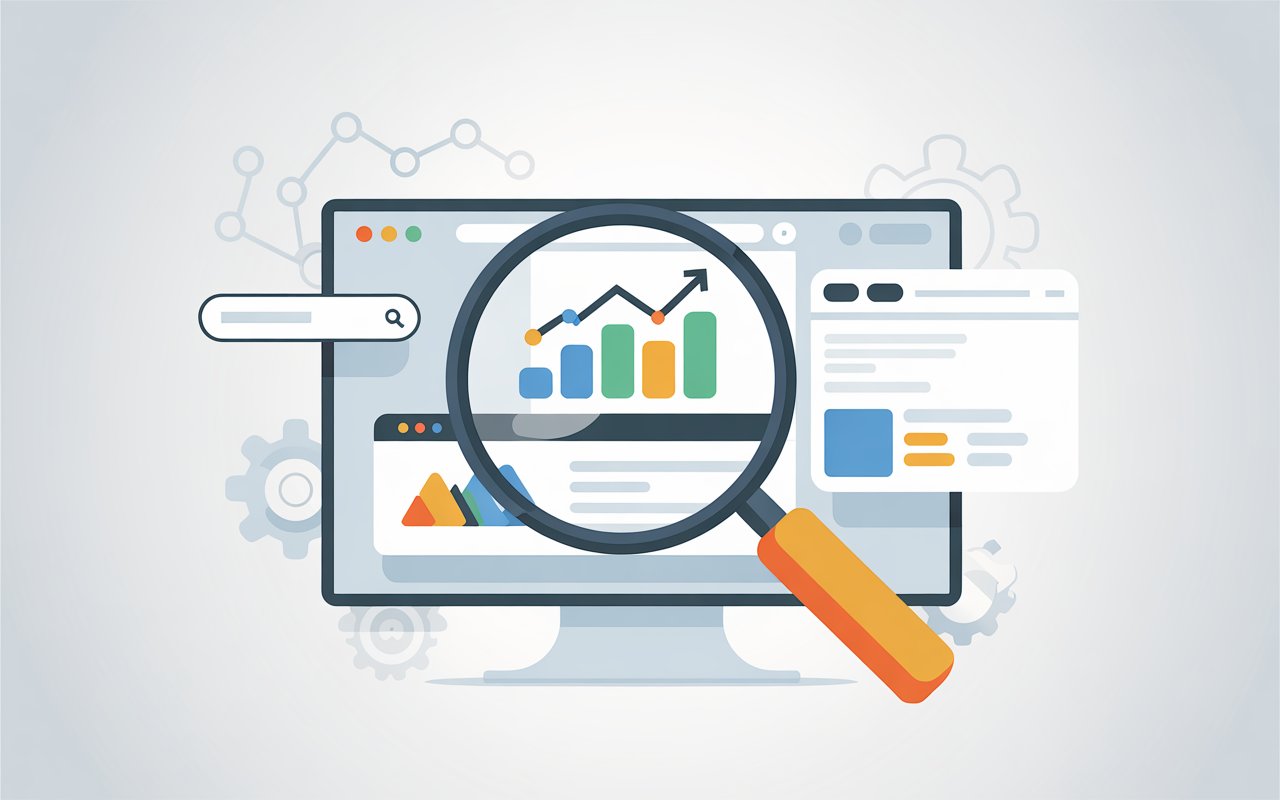
Link building is the process of getting other websites to link to your site. These links act like signals that tell Google your content is worth trusting.
But timing matters more than most beginners realize. Start too early, and you waste links on pages that aren’t ready.
Start too late, and you slow down your growth without even knowing it.
This is where most new site owners go wrong. They either rush into link building with no foundation or they wait too long and fall behind.
The key is knowing exactly when your site is ready, and that’s what this guide will help you get right.
If indexing hasn’t brought results, read this practical guide to SEO growth after indexing.
What Is Link Building? (Quick Refresher)
Link building is the process of getting other websites to link back to your pages, and these links (called backlinks) act like signals that point users and search engines to your content.
In simple terms, each backlink is a form of trust: when one site links to another, it’s saying, “this content is useful or worth checking out.”
For SEO, backlinks matter because search engines use them as a key ranking factor.
Pages with strong, relevant links tend to rank higher because they appear more credible and authoritative.
But not all links are equal. Links from well-known, trustworthy sites carry more weight than random or low-quality ones.
Google’s system looks at both the number and the quality of links, along with how relevant those linking sites are to your topic, to decide how much authority your page has.
It also considers context, like the words used in the link and where the link appears on the page, to better understand what your content is about.
In short, backlinks help Google discover your pages, understand their topic, and decide whether they deserve to rank, making link building a critical step once your site is ready for it.
The Biggest Myth About Link Building
One of the biggest myths in SEO is that you should start link building as soon as your site goes live, but this advice is misleading because links only work well when they point to pages that are already strong, clear, and useful.
If your content is thin, poorly structured, or not fully indexed, backlinks have little to support, which means their impact is weak or wasted.
Google evaluates not just the link itself, but also the quality of the page it points to, so if that page doesn’t meet basic standards, the link won’t help it rank.
Starting too early can also create an imbalance. Sudden links to a brand-new site with little content can look unnatural and may not build trust over time.
Another risk is poor targeting; beginners often build links to pages that haven’t been optimized yet, so even if the links are good, the page still struggles to rank because it doesn’t match search intent or provide enough value.
In many cases, those early links would have performed much better if they were built later, after the content was improved and properly positioned.
The result is simple: instead of accelerating growth, premature link building slows you down, wastes effort, and makes it harder to see real results.
What Needs to Be in Place Before Link Building
Solid Site Structure
Your site needs to be easy to navigate before you send any backlinks to it.
Clear navigation helps both users and search engines understand how your pages are connected, which improves crawling and overall visibility.
If visitors can’t find related content quickly, they leave, and that weakens the value of any links pointing to your site.
Internal linking is just as important because it spreads authority across your pages.
When one page gets a backlink, internal links help pass that value to other important pages, increasing their chances of ranking.
Without this structure, link equity gets stuck on a single page instead of strengthening your entire site.
High-Quality Content
Links work best when they point to content that actually deserves attention.
Informational pages should clearly answer questions, explain topics, or solve problems in a way that’s easy to follow.
Transactional pages, like product or service pages, should be clear, trustworthy, and focused on helping users take action.
If your content is thin, unclear, or lacks value, even strong backlinks won’t help much because users won’t stay or engage. Search engines track these signals.
Content that earns links naturally is usually detailed, useful, and better than what already exists on the topic.
Basic On-Page SEO
Before building links, your pages need to be properly optimized so search engines understand what they’re about.
Title tags and meta descriptions should clearly describe the page and encourage clicks.
Keyword targeting needs to be focused but natural, and each page should have a clear topic without trying to rank for too many things at once.
Most importantly, your content must match user intent. If someone searches for information and lands on a sales page, they’ll leave quickly.
When intent is aligned, users stay longer, engage more, and that strengthens the impact of your backlinks.
Indexing and Crawling
If your pages aren’t indexed, link building won’t help at all. Search engines need to find, crawl, and store your pages in their index before they can rank them.
You should confirm that your key pages appear in Google and are not blocked by issues like noindex tags, broken links, or poor site structure.
Technical problems can prevent pages from being discovered or properly understood, which makes backlinks ineffective.
Once your pages are indexed and accessible, links can start doing their job.
So, When Should You Start Link Building?
You should start link building only after your site has a solid foundation in place, not the moment it goes live.
A simple rule of thumb is this: if your pages are ready to rank, then they are ready for links, and if not, you’re too early.
Rushing this step leads to wasted effort, while waiting until your content and structure are in place allows every link to have a stronger impact.
To know if your site is truly ready, check for these key signs:
- Your content is live, fully written, and properly optimized for a clear topic
- Your pages are indexed in Google and can be found in search results
- You have content that provides real value and is worth linking to
If all three are in place, link building becomes a growth driver instead of a gamble, putting you in control of your SEO progress instead of guessing what might work.
What Happens If You Start Too Early
Wasted Backlinks
When you build links too early, most of their value is lost because the pages they point to aren’t ready to benefit from them.
If your content is still thin, unoptimized, or not clearly structured, search engines don’t see it as strong enough to rank, no matter how many links you send to it.
Backlinks pass authority, but that authority needs a solid page to land on.
Without that, the impact is weak, and in many cases, those same links would perform far better if they were built later.
This means you’re not just slowing progress, but you’re using up opportunities that are hard to replace.
Poor Rankings Despite Links
It’s frustrating, but common: you build links and still don’t rank. This usually happens because rankings depend on more than just backlinks.
Search engines also look at content quality, relevance, user experience, and intent match. If those elements aren’t in place, links alone won’t push your page up.
Instead, your site may stay stuck on lower pages, making it seem like link building “doesn’t work,” when the real issue is timing.
Links amplify what’s already there, but they don’t fix weak foundations.
Low ROI (Return on Effort)
Link building takes time, money, or both, so starting too early leads to poor returns. You invest effort into getting links, but you don’t see traffic, rankings, or growth in return.
This creates a cycle where you either spend more trying to force results or lose confidence in the process entirely.
In reality, the strategy isn’t broken, but the timing is.
When your site is properly prepared, each link contributes to measurable progress, making your effort worthwhile instead of wasted.
What Happens If You Start Too Late
Slower Growth
Delaying link building slows your site’s ability to gain authority, which directly affects how fast you can rank.
Even if your content is strong and well-optimized, search engines still rely on backlinks to measure trust and credibility.
Without them, your pages may stay stuck in lower positions, even when they deserve to rank higher.
This creates a bottleneck where your site is ready to grow, but lacks the signals needed to move forward.
Over time, this delay compounds, making it harder to catch up.
Competitors Gaining Authority
While you wait, your competitors are building links and strengthening their sites.
Each new backlink they earn increases their authority, making it more difficult for you to outrank them later.
Search rankings are relative, not absolute, and your position depends on how your site compares to others in your niche.
If competitors consistently build links while you do nothing, the gap between you and them widens.
Closing that gap later requires significantly more effort than keeping up from the start.
Missed Ranking Opportunities
Timing affects visibility. When your content is fresh and relevant, it has a better chance of gaining traction, but without backlinks, that opportunity often fades.
Search engines may test your content in rankings, but without enough authority signals, it won’t hold its position.
This leads to missed chances to capture traffic early, especially for keywords that are easier to rank for in the beginning.
The Ideal Timeline for New Websites
Week 1–2: Content + Setup
In the first two weeks, your focus should be on building a strong foundation. This means publishing core content that targets clear topics and answers specific search intent.
At the same time, set up your site structure so pages are easy to navigate and connected through internal links.
Basic technical setup also matters here. Make sure your site loads properly, works on mobile, and has no major errors.
This stage is about giving search engines something solid to crawl and understand before you think about links.
Week 3–4: Indexing + Optimization
Once your content is live, the next step is making sure it gets indexed and refined.
Check that your pages appear in Google and are not blocked by technical issues like noindex tags or poor linking.
During this phase, you should also improve your content based on early data. Adjust titles, refine keywords, and make sure each page clearly matches what users are searching for.
Internal linking should be strengthened here so authority can flow between pages once links are added later.
This stage ensures your site is visible and properly positioned before any external signals are introduced.
Month 2+: Start Link Building
By the second month, your site should be stable, indexed, and optimized enough to benefit from backlinks.
This is the right time to begin link building because your pages now have the structure and quality needed to convert those links into rankings.
Start with a small number of high-quality links rather than trying to scale too fast. Focus on key pages that are already showing potential, as links will help push them further.
At this stage, link building becomes effective because it supports a system that is already working.
Ongoing: Scale Efforts Gradually
Link building should grow over time, not happen all at once. A steady increase in links looks more natural and allows you to measure what’s working.
As your site gains authority, you can target more competitive keywords and build links to a wider range of pages.
At the same time, continue improving your content and internal linking so each new backlink has a stronger impact.
This ongoing balance between content, structure, and links is what drives consistent long-term growth.
Best Types of Links for New Sites
Foundational Links (Directories, Profiles)
Foundational links are the easiest and safest place to start because they help search engines discover and trust your site without adding risk.
These include business directories, social profiles, and listings on well-known platforms.
They don’t carry the strongest ranking power, but they create consistency around your brand name, website, and basic details, which helps build trust signals.
More importantly, they give your site a natural starting link profile, which makes future link building look more balanced. For a new site, this step is about stability, not rankings.
Guest Posts
Guest posting involves writing content for other websites in your niche and including a link back to your site.
This is one of the most effective ways to build high-quality backlinks because you control the content and can place your link in a relevant context.
When done properly, guest posts bring both SEO value and referral traffic. The key is to focus on relevant sites with real audiences, not low-quality blogs created only for links.
A well-placed guest post can pass strong authority and help your site grow steadily.
Niche Edits
Niche edits are links placed inside existing content on other websites, usually within articles that are already indexed and trusted by search engines.
Because these pages often have existing authority and traffic, your link can have an immediate impact.
This makes niche edits more powerful than many other link types when used correctly.
However, relevance is critical because the content where your link is added should closely match your topic.
Poorly placed links in unrelated content can reduce effectiveness and look unnatural.
Digital PR (Optional for Beginners)
Digital PR focuses on earning links through media coverage, data-driven content, or unique stories that attract attention.
These links often come from high-authority websites and can significantly boost your site’s credibility.
However, this approach requires more effort, creativity, and sometimes outreach at scale, which can be challenging for beginners.
While it’s not essential early on, it becomes a powerful strategy as your site grows. If done well, even a single strong PR link can outperform dozens of lower-quality links.
How Many Links Should You Build Early On?
Start Slow and Natural
In the early stages, link building should be gradual and consistent, not aggressive.
Search engines expect new websites to grow at a steady pace, so a sudden spike in backlinks can look unnatural and may reduce trust instead of building it.
A slow start also gives you time to see how your pages respond, whether rankings improve, stay the same, or need adjustment.
This approach keeps you in control, allowing you to build links based on real results rather than guessing.
Focus on Quality Over Quantity
A few strong, relevant links are far more effective than dozens of weak ones.
Search engines place more weight on links from trusted, authoritative sites within your niche, especially when the content around the link is relevant.
Low-quality or spammy links can dilute your site’s credibility and, in some cases, do more harm than good.
Early on, your goal is to build a clean, trustworthy link profile that supports long-term growth, not chase numbers that don’t move rankings.
Example Link Velocity for New Sites
No fixed number works for every site, but a practical starting point is a small, steady flow of links each month.
For example, building 3–5 high-quality links per month is often enough to start seeing movement without raising red flags.
As your site gains authority and more content, you can gradually increase this number.
The key is consistency. Steady growth over time signals to search engines that your site is earning attention naturally, which supports stronger and more stable rankings.
Smart Link Building Strategy for Beginners
Focus on building links to pages that can actually benefit from them, and avoid tactics that create risk instead of growth.
Build Links To:
- Homepage: This helps build overall site authority and trust, which supports all your pages. It’s also the safest and most natural place to start.
- Key informational content: Target your best articles or guides that answer specific questions. These pages are more likely to rank, attract traffic, and pass value through internal links.
Avoid:
- Spammy links: Low-quality links from irrelevant or suspicious sites can weaken your SEO instead of helping it. Stick to links that make sense in context.
- Over-optimized anchor text: Repeating the same keyword-heavy anchor text can look unnatural. Use a mix of branded, natural, and varied phrases to keep your link profile balanced.
Common Link Building Mistakes to Avoid
Building Links Before Content Is Ready
Sending backlinks to unfinished or weak content limits their impact from the start.
If your pages are not clear, useful, or properly optimized, search engines won’t see them as strong candidates for ranking, even with links pointing to them.
This often leads to confusion. People think link building doesn’t work when, in reality, the page isn’t ready to benefit from it.
Links should support quality content, not try to fix weak pages.
Ignoring Internal Linking
External links are powerful, but without internal links, much of that value gets trapped on a single page.
Internal linking helps distribute authority across your site, allowing multiple pages to benefit from one backlink.
It also helps search engines understand how your content is connected and which pages matter most.
Ignoring this step creates a bottleneck where only one page improves, while the rest of your site stays stagnant.
Buying Low-Quality Links
Not all backlinks help. Links from spammy, irrelevant, or low-quality websites can harm your site’s credibility instead of improving it.
Search engines are good at identifying unnatural link patterns, and relying on cheap, mass-produced links can lead to poor results or even ranking drops.
It’s better to have a few strong, relevant links than many weak ones that add no real value.
Targeting the Wrong Pages
Building links to pages that are not designed to rank is a common mistake.
For example, sending links to pages with unclear topics, weak content, or poor keyword targeting won’t produce results.
Each link should point to a page with a clear purpose and ranking potential.
When you choose the right pages, those that are optimized, relevant, and useful, links become much more effective and drive real growth.
Simple Checklist Before You Start
Before you begin link building, make sure these essentials are in place:
- Content is published, complete, and clearly focused
- Pages are indexed and visible in Google
- On-page SEO is properly done (titles, keywords, intent match)
- Internal links are set up to connect your pages
- Clear target pages are chosen for link building
If you can check all of these off, you’re in a strong position to start building links with confidence.
Final Thoughts
Timing makes the difference between wasted effort and real results in link building. If your site isn’t ready, links won’t help the way you expect.
Focus on building a strong foundation first. This means solid content, proper structure, and indexed pages.
Then start link building with confidence, knowing each link will actually move your site forward.
Take the next step with this full guide to ranking after indexing.
FAQs
Once your content is published, optimized, and indexed in Google.
No. If your pages aren’t indexed, search engines won’t see or value the links properly.
Usually, 3–6 weeks, depending on how fast your content gets indexed and optimized.
Not immediately. They need a solid foundation first, then backlinks to grow.
Start slow, focus on high-quality links, and target pages that are already optimized and ready to rank.





I’m Alex Crawley, an SEO specialist with 7+ years of hands-on experience helping new websites get indexed on Google. I focus on simplifying technical indexing issues and turning confusing problems into clear, actionable fixes.