Most people assume bigger websites take longer to get indexed. It sounds logical: more pages should mean more work for Google.
But that’s not how it really works.
Website size simply means how many pages you have, how much content you publish, and how your site is structured.
It’s not just about volume, but it’s about how everything connects.
Size does play a role in indexing speed, but not in the way most people expect.
Once you understand what actually matters, you can fix slow indexing, no matter how big or small your site is.
The Short Answer:
Website size does not directly affect indexing speed. Google focuses on factors like site structure, content quality, and authority. A large, well-optimized site can index faster than a small, poorly structured one.
If you’re unsure what’s wrong, understand how Google processes and indexes your pages.
What Is Indexing Speed?
Indexing speed is how long it takes for a page to appear in Google’s index after it is discovered. This determines when your page can start showing in search results.
The process begins with crawling. This is when Googlebot visits your page and reads its content.
But crawling alone does not mean your page will rank. Indexing is the next step, where Google decides if your page is worth storing and showing in search.
Many pages get crawled but never indexed. This usually happens when content is weak, duplicated, or poorly connected.
Understanding this difference helps you fix indexing issues faster.
Indexing speed matters because it controls how quickly your content can bring traffic. If your page is not indexed, it cannot rank.
Faster indexing means quicker results, better testing, and more growth. Slow indexing delays everything and often points to deeper problems with your site.
What Defines Website Size?
Website size is not just about how many pages you have, but it is the starting point.
A small site might have a few pages, while a large site can have thousands or even millions.
More pages give Google more to crawl, but they also require better organization to avoid confusion. Content depth also matters.
A site with detailed, useful pages sends stronger signals than one with thin content, even if both have the same number of pages. Publishing frequency plays a role too.
Sites that update often tend to get crawled more regularly, which can help new pages get discovered faster. Structure is where many sites struggle.
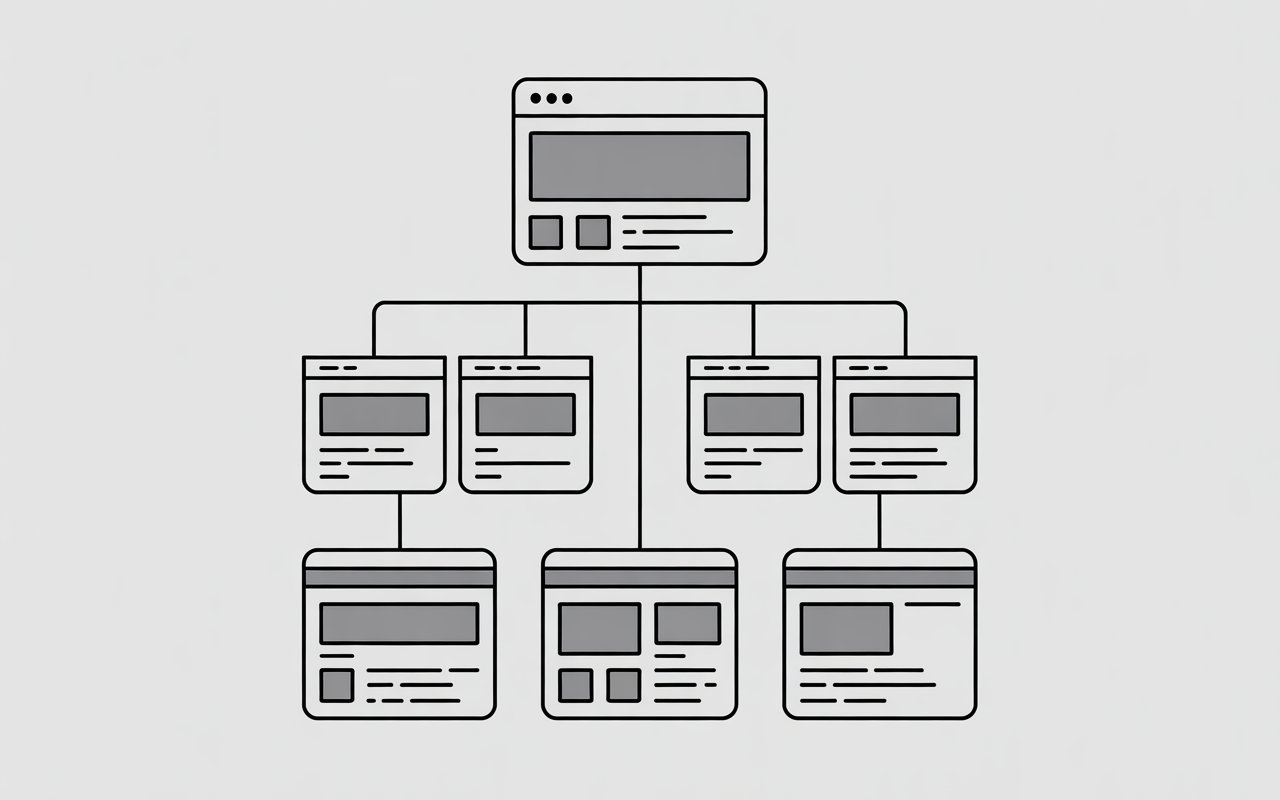
A well-organized site makes it easy for both users and search engines to move between pages. Internal linking is a big part of this.
When pages are connected clearly, Google can find and understand them faster. If pages are buried or not linked at all, they may never get indexed.
In simple terms, website size is a mix of how much content you have, how often you add to it, and how well everything is connected.
Does Website Size Directly Affect Indexing Speed?
Website size does not directly affect indexing speed. Google does not slow down or penalize a site just because it has more pages.
A large site can be indexed quickly, while a small site can struggle to get indexed at all. The difference comes down to how well the site is built and how strong its signals are.
Google focuses on crawl efficiency, which means how easily it can discover and move through your pages.
If your site is well-structured and internally linked, size becomes less of a problem. Authority also plays a major role.
Sites with strong backlinks and trust signals tend to get crawled and indexed faster, regardless of how big they are. Content quality matters just as much.
Pages that provide value are more likely to be indexed, while low-quality pages are often ignored. Technical performance also affects speed.
Slow servers, errors, and messy architecture can delay indexing even on small sites. In simple terms, size alone is not the issue.
What matters is how efficiently your site works and how valuable your content appears to Google.
How Large Websites Can Slow Down Indexing
Crawl Budget Limitations
Large websites often run into crawl budget limits, which is the number of pages Google chooses to crawl within a given time.
Google does not crawl every page on every visit. It prioritizes based on importance, freshness, and site health.
If your site has thousands of pages, some will naturally be crawled less often.
This means new or updated pages can take longer to be discovered and indexed, especially if they are not seen as important.
Poor Internal Linking on Large Sites
As websites grow, internal linking often becomes messy or inconsistent. Important pages may end up buried deep in the site, far from the homepage.
When pages are harder to reach, Google takes longer to find them.
Clear and intentional linking helps guide Google through your site. Without it, even high-quality pages can be overlooked.
Orphan Pages
Orphan pages are pages with no internal links pointing to them. Google usually finds pages through links, so if a page is not connected, it may never be discovered.
This issue becomes more common as sites expand and content grows faster than structure.
Even if these pages exist in your sitemap, weak or missing links can still slow down or prevent indexing.
Duplicate or Low-Quality Content
Large sites often create similar or thin pages at scale. This can include duplicate product pages, weak blog posts, or pages with little unique value.
Google may crawl these pages, but chooses not to index them.
When too many low-quality pages exist, it can affect how often Google crawls the rest of the site. This slows down indexing for pages that actually matter.
Server Performance Issues
Bigger sites place more demand on servers. If your site is slow to respond or returns errors, Google may reduce how often it crawls your pages.
This is done to avoid overloading your server. Slow load times and frequent issues can delay both crawling and indexing.
A stable, fast server helps Google process more pages efficiently.
Why Small Websites Can Still Struggle
Lack of Authority and Backlinks
Small websites often struggle because they lack authority. Google uses backlinks as a key signal to judge trust and importance.
If few or no other sites link to you, Google has less reason to prioritize your pages.
This can slow down both crawling and indexing. Even high-quality content can be delayed if the site itself is not seen as trustworthy yet.
Weak Internal Linking
Many small sites overlook internal linking. Pages are published but not properly connected.
This makes it harder for Google to discover and understand the relationship between pages. A simple, clear link structure helps Google move through your site faster.
Without it, some pages may take longer to get indexed or be missed entirely.
Low Content Signals
Small websites usually have fewer pages and less overall content. This gives Google fewer signals to understand what the site is about.
If the content is thin or lacks depth, the problem becomes worse.
Google may crawl the page but choose not to index it. Strong, useful content increases the chances of faster indexing.
Infrequent Updates
Sites that rarely update content tend to get crawled less often. Google learns how frequently a site changes and adjusts its crawl rate.
If nothing new is added for long periods, visits from Googlebot can slow down.
This means new pages may take longer to be discovered and indexed when they are finally published.
The Role of Crawl Budget
Crawl budget is the number of pages Google chooses to crawl on your site within a certain period, and it is mainly influenced by two things: how much your server can handle (crawl capacity) and how important Google thinks your pages are (crawl demand).
Google does not try to crawl every page all the time. Instead, it focuses on pages that seem useful, updated, and valuable.
This matters more for large sites because they have far more pages competing for attention.
If your site has thousands of URLs, Google has to decide which ones are worth crawling first and which can wait.
As a result, some pages may be crawled often, while others are visited rarely or ignored.
Google allocates crawl resources based on signals like site quality, update frequency, internal linking, and backlinks.
Pages that are well-linked and frequently updated tend to get crawled more often.
On the other hand, pages with weak signals or low value may be skipped. This means you have control over your crawl budget.
Key Factors That Actually Affect Indexing Speed
- Internal linking structure
Clear internal links help Google find and understand your pages faster. Pages that are linked from important areas, like the homepage, are discovered more quickly. Strong linking also shows which pages matter most. Poor linking can leave pages buried or missed entirely. - Backlinks and authority
Backlinks act as trust signals. When other websites link to your pages, Google sees them as more important. This often leads to faster crawling and indexing. Sites with strong authority are visited more often by Googlebot. - Content quality
High-quality content is more likely to be indexed. Pages that are useful, original, and clear send strong signals to Google. Thin or duplicate content is often ignored. Even if it gets crawled, it may not be indexed. - Site speed and technical health
A fast, stable site allows Google to crawl more pages efficiently. Slow load times, errors, or broken pages can reduce crawl activity. Technical issues can delay or block indexing altogether. - XML sitemaps and discovery signals
XML sitemaps help Google find your pages more easily. They act as a guide, especially for new or large sites. Other signals, like internal links and external mentions, also help with discovery. While sitemaps do not guarantee indexing, they support faster discovery.
Best Practices to Improve Indexing (Any Site Size)
For Small Websites
- Build strong internal links early
Connect your pages from the start. Link new content to existing pages and vice versa. This helps Google discover your site faster and understand how your content fits together. - Get initial backlinks
A few quality backlinks can make a big difference. They help Google find your site and build trust early on. Even one strong link can speed up crawling and indexing. - Publish consistently
Regular updates signal that your site is active. This encourages Google to visit more often. Consistency also builds stronger overall signals over time.
For Large Websites
- Optimize crawl paths
Make sure important pages are easy to reach within a few clicks. Use clear navigation and structured linking. This helps Google move through your site efficiently. - Fix orphan pages
Find pages that are not linked internally and connect them. Every important page should be reachable through links. This improves discovery and indexing. - Manage low-value content (prune or improve)
Review your content regularly. Remove, merge, or improve weak pages. This helps Google focus on your best content instead of wasting crawl resources. - Improve site architecture
Keep your site organized and logical. Group related content together and use clean URL structures. A strong structure helps both users and search engines navigate your site easily.
Common Myths About Website Size and Indexing
“Bigger sites always index slower”
This is one of the most common misunderstandings. Large sites do not automatically index slower.
In many cases, they index faster because they have stronger authority, more backlinks, and better crawl signals.
Google does not slow down indexing based on size alone. The real issue is how well the site is structured and maintained.
A poorly organized large site can struggle, but a well-optimized one can be crawled and indexed very efficiently.
“More pages = better SEO”
Having more pages does not guarantee better results. What matters is the value of those pages.
If a site creates many low-quality or duplicate pages, Google may ignore a large portion of them. This can even reduce overall crawl efficiency.
Fewer high-quality pages often perform better than a large number of weak ones. Quality sends stronger signals than quantity.
“Submitting a sitemap solves everything”
Sitemaps help Google discover pages, but they do not guarantee indexing. Google still evaluates each page based on quality, relevance, and trust.
If a page is weak or poorly connected, it may be skipped even if it is listed in a sitemap. Sitemaps are a support tool, not a solution.
Strong internal linking, good content, and clear structure are still required for consistent indexing.
Final Thoughts
Website size alone does not control how fast your pages get indexed. A large site can index quickly, while a small one can struggle.
What matters most is quality, structure, and authority. Clear internal linking, useful content, and strong signals help Google understand and prioritize your pages.
Focus on making your site easy to crawl and valuable to users. When you improve efficiency, indexing speed follows, no matter the size of your site.
To tie everything together, learn the complete indexing basics you need to get started.
FAQs
Not by itself. More pages only slow indexing if your site is poorly structured or has low-quality content.
It depends on optimization. Well-structured large sites can index quickly, while poorly managed ones struggle.
There is no fixed limit. Google can handle very large sites as long as they are well-organized and valuable.
Yes. Strong internal linking, good content, and a few backlinks can speed up indexing.
No. Focus on quality, structure, and usefulness instead of limiting growth.





I’m Alex Crawley, an SEO specialist with 7+ years of hands-on experience helping new websites get indexed on Google. I focus on simplifying technical indexing issues and turning confusing problems into clear, actionable fixes.