Getting your page indexed is the first real step in SEO. If your page isn’t indexed, it won’t show up in search, no matter how good it is.
Indexing simply means Google has discovered your page, understood it, and decided it’s worth storing in its database. Only then can it appear in search results.
But here’s where many people get stuck. Google doesn’t index every page it crawls. It makes a decision based on a mix of signals, not just one factor.
In this guide, you’ll learn exactly what those signals are and how to make sure your pages check the right boxes.
If your site is invisible, understand the indexing process and what might be missing.
Crawling vs. Indexing: Understanding the Difference
What Crawling Is
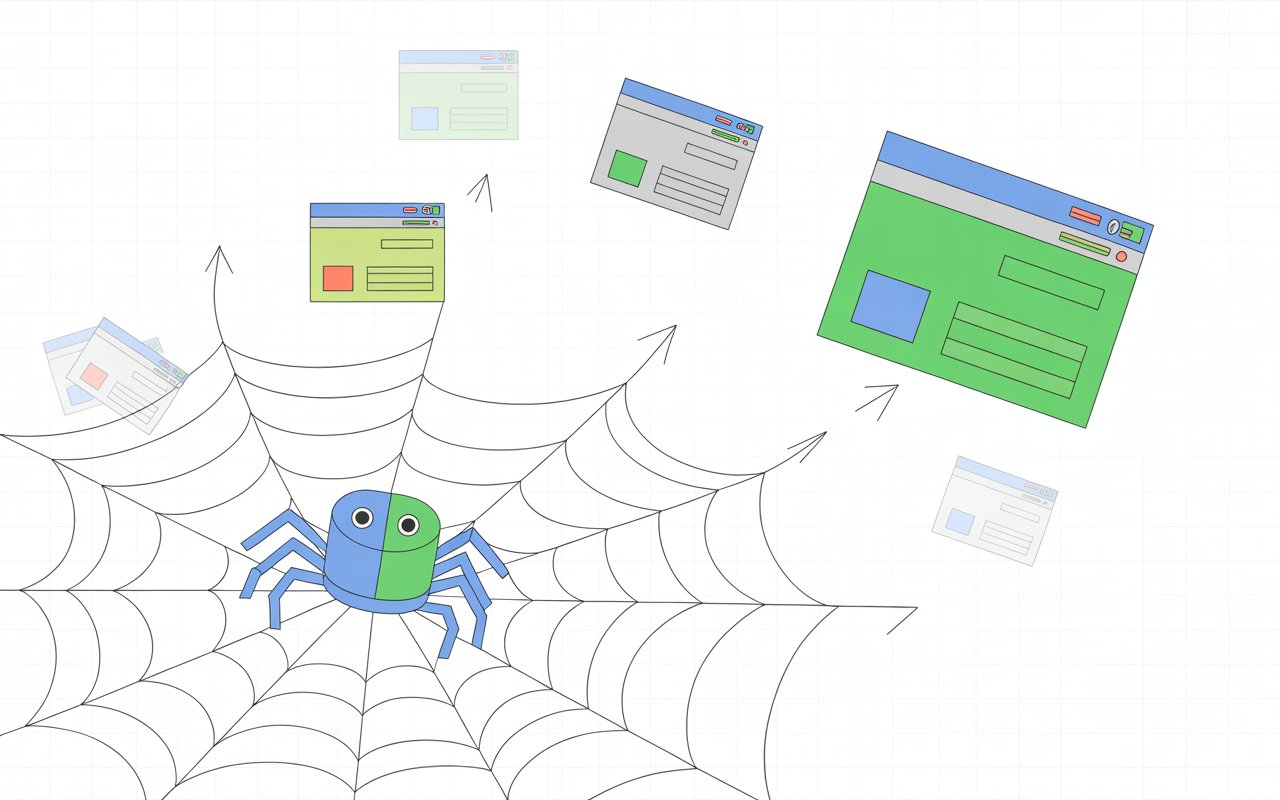
Crawling is how Google finds your page in the first place.
It uses automated bots (often called crawlers or spiders) to move across the web and discover new or updated pages.
These bots follow links from one page to another. They also use signals like sitemaps to locate content faster.
When a page is crawled, Google downloads its content (text, images, and code) to understand what it’s about.
No crawl means no chance of indexing. But crawling alone doesn’t guarantee anything beyond discovery.
What Indexing Is
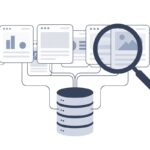
Indexing is the next step. After crawling your page, Google analyzes the content and decides whether to store it in its database (called the index).
Think of the index as a massive library. Only pages that make it into this library can appear in search results.
During indexing, Google looks at:
- What your page is about
- How useful it is
- How it compares to other pages
If your page passes that evaluation, it gets indexed. If not, it’s quietly ignored.
Why a Page Can Be Crawled but Not Indexed
This is where most SEO issues happen.
A page can be crawled but still not indexed because Google doesn’t think it’s worth including. Crawling simply gathers information. Indexing is a decision.
Common reasons include:
- Thin or low-value content
- Duplicate or very similar pages
- Weak internal linking
- Technical signals like “noindex” tags
- Lack of authority or trust
In simple terms, Google saw your page, but chose not to keep it.
1. Content Quality Signals
Originality and Uniqueness
Google prioritizes content that offers something new. If your page repeats what already exists, it gives the search engine no reason to keep it in the index.
Duplicate content, whether copied from other sites or repeated across your own pages, creates confusion.
Google will usually choose one version and ignore the rest. In many cases, none of them perform well.
Thin content is another common issue. Pages with very little useful information, or content written just to fill space, often get skipped during indexing.
To stand out, your page needs to add value. That could mean:
- Explaining a topic more clearly
- Sharing real experience or examples
- Adding insights others missed
If your content answers the same question in the same way as everyone else, it becomes easy for Google to ignore it.
Depth and Relevance
Google looks at how well your page answers a specific search query. Not partially. Completely.
A shallow page might touch on a topic, but it leaves gaps. A strong page covers the key points a user expects, and does it in a clear, structured way.
Relevance also matters. If your content drifts off-topic or tries to cover too much without focus, it weakens the signal. Google prefers pages that stay aligned with one clear intent.
Topical completeness doesn’t mean making content longer for the sake of it. It means making it useful. Every section should help the reader move closer to their answer.
A simple way to think about it: if someone lands on your page, can they stop searching?
If the answer is yes, your content is sending the right signals.
E-E-A-T (Experience, Expertise, Authority, Trust)
Google uses the concept of E-E-A-T (Experience, Expertise, Authority, and Trust) to evaluate credibility.
It starts with experience. Has the content been written by someone who actually understands the topic? Real-world insight often shows through in small details.
Expertise builds on that. Google looks for signs that the creator knows what they’re talking about. This is especially important for topics that affect health, money, or safety.
Authority comes from recognition. Mentions, links, and consistent quality over time help build it.
Trust is the foundation. Clear information, accurate claims, and a transparent website all contribute to this.
Missing trust signals can stop a page from being indexed, even if the content looks good on the surface.
Simple elements can strengthen E-E-A-T:
- Author names and bios
- Reliable sources or references
- Clear site purpose and contact information
When Google sees strong credibility signals, it becomes more confident that your page deserves a place in the index.
2. Technical SEO Signals
Indexability Settings
Before Google even considers your content, it checks whether your page is allowed to be indexed.
One of the most important controls is the meta robots tag.
A simple “noindex” tells Google not to include the page in its index, even if the content is high quality. If this tag is present, the page is effectively invisible in search.
On the other hand, an “index” directive (or no restriction at all) allows Google to evaluate the page normally.
Canonical tags add another layer. They tell Google which version of a page should be treated as the main one when similar or duplicate pages exist.
If your canonical points to a different URL, Google may ignore the current page and index the preferred version instead.
Small technical signals like these carry a lot of weight. Even strong content won’t get indexed if these settings are misconfigured.
Site Structure and Internal Linking
Google relies on links to discover and understand pages. If your content isn’t connected properly, it becomes harder to find and easier to ignore.
A clear site structure creates logical paths for crawlers to follow. Pages should be linked in a way that makes sense, both for users and search engines.
Important pages should not be buried deep with no clear route leading to them.
Internal linking also signals importance. When multiple pages link to one URL, it tells Google that the page matters.
Orphan pages are a common problem. These are pages with no internal links pointing to them.
Even if they exist on your site, Google may struggle to find them or treat them as low priority.
In simple terms, if your page isn’t connected, it’s less likely to be indexed.
Page Speed and Core Web Vitals
Speed affects both users and search engines.
If a page loads slowly, users leave. That sends negative signals about the page’s usefulness.
Google takes this into account when deciding whether a page deserves to stay indexed.
Core Web Vitals measure key parts of user experience, such as loading performance, interactivity, and visual stability.
These metrics help Google understand how usable your page is in real conditions.
There’s also a technical side. Faster pages are easier to crawl. If your site is slow, Google may crawl fewer pages within its allocated resources.
This creates a chain reaction:
- Slow site → reduced crawling
- Reduced crawling → fewer indexing opportunities
Improving speed doesn’t just help rankings. It increases the chances that your pages get indexed in the first place.
3. Crawl Budget and Site Health
What Crawl Budget Is
Crawl budget is the number of pages Google is willing to crawl on your site within a given timeframe.
It’s not a fixed number you can see, but it’s influenced by two main things:
- Crawl demand (how important or popular your pages seem)
- Crawl capacity (how fast and stable your site is)
If your site is healthy and valuable, Google is more willing to crawl it often. If your site is slow or filled with low-value pages, crawling becomes limited.
This matters because pages must be crawled before they can be indexed. If Google doesn’t reach your page, it won’t even be considered.
How Large Sites Are Affected
Crawl budget becomes more important as your site grows.
On small websites, Google can usually crawl most pages without issues. But on larger sites, especially those with thousands of URLs, Google has to prioritize.
This means not every page gets equal attention. Some pages may be crawled frequently, while others are rarely visited.
If your site has many low-value or unnecessary pages, they can take up crawl resources. As a result, important pages may be delayed or skipped.
In simple terms, the bigger your site gets, the more selective Google becomes.
Factors That Waste Crawl Budget
Certain issues can drain your crawl budget without adding any value. This reduces the chances of important pages being discovered and indexed.
Common problems include:
- Duplicate pages
Multiple URLs with similar or identical content force Google to crawl the same thing repeatedly. - Broken pages and errors
Pages that return errors (like 404s) waste crawl attempts with no benefit. - Low-quality or thin pages
Pages with little useful content still consume crawl resources. - Unnecessary URL variations
Filters, parameters, and session-based URLs can create many versions of the same page.
When these issues pile up, Google spends more time on useless pages and less time on the ones that matter.
4. User Engagement Signals (Indirect but Influential)
Click-Through Rate (CTR)
Click-through rate measures how often people click your page after seeing it in search results.
A higher CTR usually means your title and description match what users are looking for. It shows that your page is relevant at first glance.
While CTR is not a direct indexing factor, it sends a strong feedback signal to Google.
If users consistently choose your page over others, it suggests the content is worth keeping visible, and indexed.
Low CTR can signal the opposite. Even if your page is indexed, weak engagement can reduce its perceived value over time.
Bounce Rate and Dwell Time
What happens after the click matters just as much.
Bounce rate refers to users leaving your page without interacting further. Dwell time measures how long they stay before returning to search results.
If users leave quickly, it often means the page didn’t meet their expectations. Maybe the content was unclear, too shallow, or not relevant.
If users stay longer, it signals satisfaction. They found what they needed.
Google doesn’t rely on a single metric here. Instead, it looks at patterns. Consistent short visits across many users can indicate low usefulness.
Why Google May Reconsider Low-Value Pages
Indexing is not permanent.
Google regularly reassesses pages in its index. If a page shows weak engagement signals over time, it may be seen as less valuable compared to other options.
This can lead to:
- Lower visibility in search
- Reduced crawling frequency
- In some cases, removal from the index
This doesn’t mean every page needs perfect engagement. But it does mean your content should meet user expectations clearly and quickly.
5. Backlinks and External Signals
Authority Passed Through Links
Backlinks are links from other websites pointing to your page. They act as signals of trust.
When a reputable site links to you, it suggests your content is worth referencing. Google uses these signals to judge credibility and importance.
Not all links carry the same weight. Links from well-known, relevant websites pass more authority than links from low-quality or unrelated sites.
This authority doesn’t just help rankings. It can also influence whether your page is worth indexing in the first place.
How Backlinks Help Discovery and Indexing
Backlinks also help Google find your pages faster.
When a crawler visits a page that links to yours, it can follow that link and discover your content.
This is especially useful for new pages that don’t yet have strong internal linking.
If your page has no backlinks and weak internal links, it may take longer to be discovered or be seen as less important.
Strong external signals can speed up both crawling and indexing. They show that your content exists, and that others consider it valuable.
Quality vs Quantity
More links do not always mean better results.
A small number of high-quality backlinks can be more effective than hundreds of low-quality ones.
Poor links can even send negative signals if they appear spammy or manipulative.
Google looks at:
- Relevance of the linking site
- Trustworthiness of the source
- Natural link patterns
If your backlinks look forced or unnatural, they may be ignored, or worse, reduce trust.
The goal is simple: earn links by creating content people genuinely want to reference.
When your backlinks are strong and natural, they reinforce your page’s value and increase its chances of being indexed and trusted.
6. Freshness and Content Updates
How Often Content Is Updated
Google pays attention to how often a page changes, but only when updates add real value.
Updating a page can signal that the content is being maintained. This matters more in topics that change often, like SEO, finance, or news.
In these cases, outdated information can make a page less useful.
However, frequent updates alone don’t guarantee indexing. Small or meaningless edits won’t help. Google looks for changes that improve accuracy, clarity, or completeness.
If your updates consistently make the page better, it increases the chances that Google will revisit and reassess it.
Signals That a Page Is “Alive”
An “active” page sends clear signals that it’s still relevant.
These signals include:
- Updated timestamps that reflect real changes
- New sections or improved explanations
- Refreshed data, examples, or links
- Continued internal linking from newer content
Google doesn’t rely on timestamps alone. It looks at what actually changed.
A page that evolves over time shows ongoing value. A page that stays untouched for long periods, especially in fast-changing topics, can lose trust.
Evergreen vs Time-Sensitive Content
Not all content needs constant updates.
Evergreen content covers topics that stay relevant over time. These pages can perform well for years with only occasional updates to keep them accurate.
Time-sensitive content is different. It depends on freshness. If it’s not updated regularly, it quickly becomes outdated and less useful.
Google adjusts its expectations based on the topic. For evergreen pages, stability is fine. For time-sensitive pages, freshness is critical.
The key is knowing which type of content you’re creating and updating it accordingly.
7. Duplicate Content and Canonicalization
How Google Handles Similar Pages
Duplicate or very similar pages are common on many websites. These can come from filters, URL parameters, product variations, or repeated content.
When Google finds multiple versions of the same or similar page, it doesn’t index them all.
Instead, it groups them together and selects one version as the main page (called the canonical).
The rest are usually ignored or shown less often in search results.
This helps Google avoid cluttering its index with repetitive content. But it also means you lose control if you don’t clearly signal which version should be preferred.
Choosing Canonical Versions
Canonicalization is how you guide Google to the right version of a page.
The most common method is the canonical tag. It tells Google which URL should be treated as the original or primary version.
For example, if you have multiple URLs with similar content, you can point them all to one main page. This consolidates signals like links and authority into a single URL.
Other signals also influence canonical selection:
- Internal linking (which version you link to most)
- Sitemap inclusion
- URL structure and consistency
If your signals are mixed, Google may choose a different canonical than the one you intended.
Clear, consistent signals make it easier for your preferred page to be indexed.
Risks of Duplication
Duplicate content can weaken your indexing performance.
When multiple similar pages exist, Google has to decide which one deserves attention. This can lead to:
- Important pages are being ignored
- Crawl budget is being wasted on duplicates
- Diluted authority across multiple URLs
In some cases, none of the pages perform well because the signals are split.
Duplication also creates uncertainty. If Google isn’t sure which page is best, it may delay indexing or skip pages altogether.
8. Spam and Low-Quality Signals
Thin Affiliate Pages
Thin affiliate pages are built mainly to send users elsewhere for a commission, without adding real value.
These pages often reuse product descriptions, offer little original insight, and exist only to push clicks.
Google is very clear about this: pages must provide helpful, original content, not just act as a bridge to another site.
If your page doesn’t add anything beyond what users can find on the destination site, it becomes easy to ignore. Even if it gets crawled, it may never be indexed.
To avoid this, affiliate content should include:
- Real comparisons or experiences
- Unique insights or recommendations
- Clear reasons why a product or service matters
Without that, the page is seen as low-value.
AI-Generated Low-Value Content
Using AI to create content is not the problem. Low-quality output is.
Google evaluates the value of the content itself, not how it was created.
If AI-generated content is generic, repetitive, or lacks depth, it sends weak quality signals.
Common issues include:
- Surface-level explanations
- Rewritten content with no added insight
- Lack of accuracy or clarity
These pages often fail to stand out. As a result, Google may choose not to index them.
AI can be useful, but only when the content is edited, refined, and improved with real input.
The goal is always the same: make the page helpful.
Keyword Stuffing and Manipulative Tactics
Keyword stuffing is the practice of forcing keywords into content in an unnatural way. It used to work. It doesn’t anymore.
Today, it makes content harder to read and signals low quality. Google can easily detect unnatural patterns and may reduce trust in the page.
Other manipulative tactics include:
- Hidden text or links
- Misleading titles or content
- Pages created only to target search engines, not users
These approaches don’t just hurt rankings, but they can prevent indexing altogether.
9. XML Sitemaps and Indexing Requests
Role of XML Sitemaps
An XML sitemap is a file that lists the important pages on your site. It helps Google understand what exists and where to find it.
Think of it as a guide, not a command. It points Google to your key URLs, especially pages that may not be easily discovered through internal links.
Sitemaps can also include useful details like:
- When a page was last updated
- How often it changes
- Which pages matter most
This helps Google prioritize crawling. But it doesn’t force indexing.
If a page in your sitemap is low quality or blocked by other signals, it can still be ignored.
Submitting URLs via Google Search Console
Google Search Console allows you to submit individual URLs for indexing.
This is useful when:
- You publish a new page
- You update important content
- You fix an indexing issue
Submitting a URL tells Google to take another look. It can speed up discovery and re-crawling.
However, this is still just a request. Google reviews the page and decides whether it meets the standard for indexing.
If the page lacks quality or has technical issues, it may still be excluded.
Why These Are Hints, Not Guarantees
Sitemaps and indexing requests do not override Google’s decision-making process.
They help with visibility and discovery. They do not guarantee inclusion.
Google evaluates every page based on:
- Content quality
- Technical signals
- Trust and authority
If those signals are strong, indexing usually follows. If not, no amount of submission will change the outcome.
10. How Google Combines All Signals
No Single Ranking or Indexing Factor
No single signal guarantees indexing.
Google does not rely on a single rule like “good content = indexed” or “backlinks = indexed.” Instead, it looks at many signals together.
A page can have strong content but a weak technical setup. Or good backlinks but thin content. In both cases, indexing is not guaranteed.
This is why focusing on just one area often leads to confusion. Indexing depends on the overall picture, not one isolated factor.
Systems-Based Evaluation
Google uses multiple systems working together to evaluate pages.
One system looks at content quality. Another checks technical accessibility. Others assess trust, links, and user signals.
These systems don’t work in isolation. They combine their findings to form a final decision.
For example:
- A technically perfect page with low-value content may still be ignored
- A high-quality page with minor technical issues may still get indexed
Google weighs all signals at once, not in a fixed order.
Trade-Offs Between Signals
Not all signals carry equal weight, and they can offset each other.
Strong positive signals can sometimes outweigh weaker negatives. But there are limits.
For instance:
- High-quality, original content can compensate for fewer backlinks
- Strong authority can help a page get indexed faster
- But serious issues (like “noindex” tags or spam signals) can override everything else
This is where many site owners get stuck. They improve one area but ignore others, leading to mixed signals.
Common Reasons Pages Don’t Get Indexed
- Low-quality or duplicate content
Pages that offer little value or repeat existing content are often skipped. Google prefers unique, useful pages and may ignore duplicates or thin content entirely. - Poor internal linking
If a page isn’t linked from other pages on your site, it becomes hard to find. Weak or missing internal links reduce visibility and signal low importance. - Technical errors
Issues like “noindex” tags, blocked pages, broken links, or incorrect canonical tags can prevent indexing, even if the content is strong. - Lack of authority
Pages with no backlinks or trust signals may be seen as low priority. Without external or internal validation, Google may choose not to include them in the index.
How to Improve Your Chances of Getting Indexed
Create High-Quality, Original Content
Start with content that deserves to be indexed.
Google looks for pages that are useful, clear, and different from what already exists.
If your page adds no new value, it becomes easy to ignore.
Focus on:
- Answering one clear question well
- Adding real insight, not just rewriting others
- Keeping content accurate and easy to follow
Quality is the foundation. Without it, other improvements won’t matter much.
Strengthen Internal Linking
Make it easy for Google to find and understand your pages.
Link to important pages from other relevant content on your site. This creates clear paths for crawling and shows which pages matter most.
Strong internal linking helps:
- Faster discovery of new pages
- Better distribution of importance across your site
- Clearer context about what each page is about
If a page has no links pointing to it, it’s easy to overlook.
Fix Technical Issues
Even good content can fail if technical signals are wrong.
Check for common problems:
- Pages blocked by “noindex” tags
- Incorrect canonical tags
- Broken links or server errors
- Slow loading times
These issues can stop indexing completely or delay it.
Fixing them removes barriers. It allows Google to properly access, understand, and evaluate your page.
Build Authority and Backlinks
Authority helps your page stand out.
When other sites link to your content, it signals trust and relevance. This can improve both discovery and indexing speed.
Focus on earning links naturally by:
- Creating content worth referencing
- Sharing useful insights or data
- Building relationships within your niche
A few strong links can be more effective than many weak ones.
Final Thoughts
Indexing isn’t automatic; it’s earned. Google chooses pages that are useful, accessible, and trustworthy.
Focus on what you can control. Create real value, make your pages easy to crawl, and build trust over time.
Do that consistently, and indexing becomes far more predictable.
To avoid confusion, here’s a simple guide to how Google indexing really works.
FAQs
There isn’t just one. Google looks at a mix of signals. Content quality, technical setup, and trust all work together.
Yes, but it often chooses not to. Low-value pages are usually skipped or removed over time.
No. Submitting a URL only requests a review. Google still decides based on quality and signals.
It can take anywhere from a few hours to several weeks. It depends on your site’s authority, crawl frequency, and content quality.
Usually due to low-quality content, duplication, weak internal linking, or a lack of authority.





I’m Alex Crawley, an SEO specialist with 7+ years of hands-on experience helping new websites get indexed on Google. I focus on simplifying technical indexing issues and turning confusing problems into clear, actionable fixes.