Getting your website indexed simply means Google has found your pages and added them to its search results.
No indexing means no visibility, no matter how good your content is.
A common question is: Do you need a sitemap to make that happen? It’s a fair concern, especially if you’re trying to get pages noticed quickly.
Here’s the short answer: yes, Google can index your website without a sitemap. It doesn’t rely on sitemaps alone to discover content.
In this guide, you’ll see how indexing actually works, when a sitemap helps, and what really matters if you want your pages to get found.
If you want faster results, learn the essential steps behind Google indexing.
What Is a Sitemap?
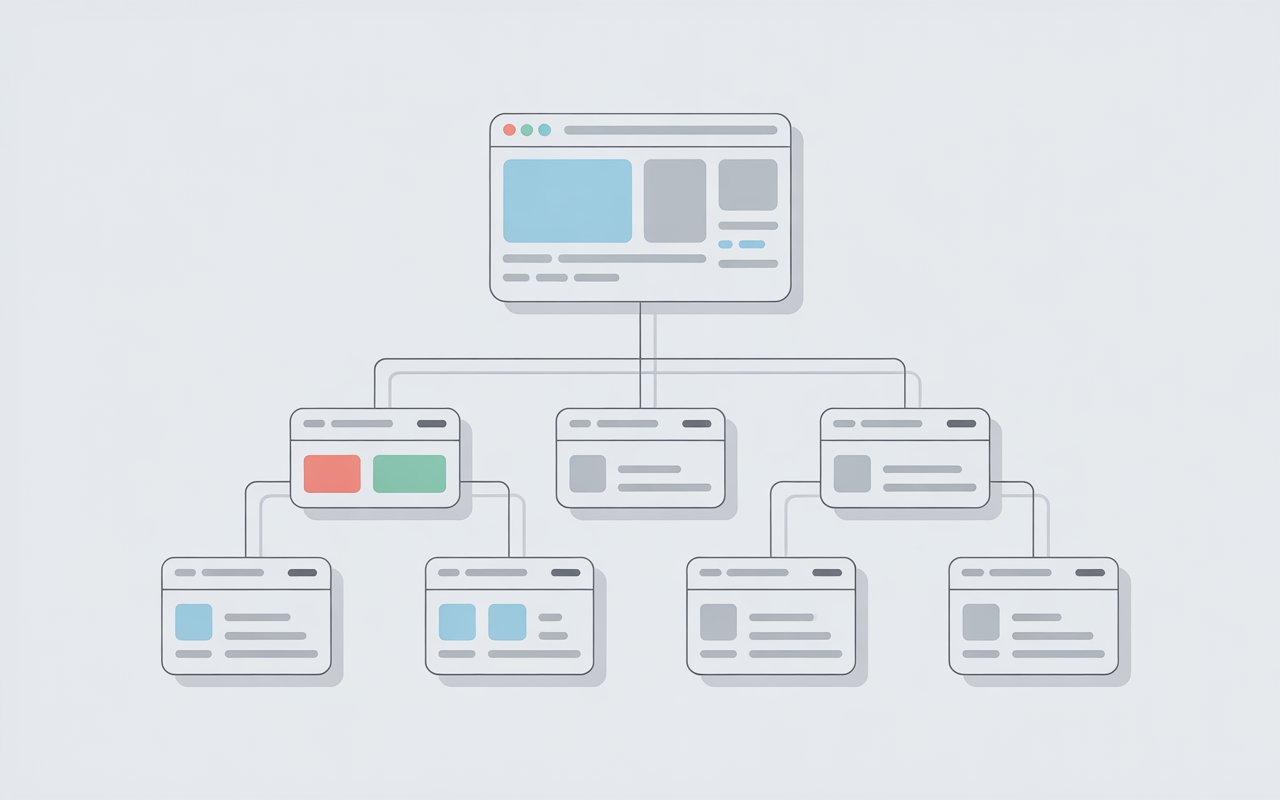
A sitemap is a file that lists the important pages on your website so search engines like Google can find them more easily.
The most common type is an XML sitemap, which is built specifically for search engines and includes URLs along with extra details like when a page was last updated or how important it is compared to others.
Its main job is to act as a guide, helping search engines discover pages they might miss through normal crawling, especially if your site has weak internal links or deep pages.
There are also HTML sitemaps, which are designed for users rather than search engines, giving visitors a simple page with links to key sections of your site.
While both types can be useful, XML sitemaps are what search engines pay attention to most.
Websites use sitemaps because they speed up discovery, improve crawl efficiency, and make sure important pages are not overlooked, particularly on large or new sites where not every page is easy to find through links alone.
How Google Finds and Indexes Pages
The Crawling Process (How Discovery Starts)
Search engines like Google use automated bots, often called crawlers or spiders, to scan the web and discover pages.
These bots start with known URLs and then follow links from one page to another, building a map of the internet as they go.
When a page is found, Google analyzes its content, structure, and signals before deciding whether it should be added to its index.
Indexing is not automatic; Google evaluates quality, usefulness, and uniqueness before including a page in search results.
How Google Uses Links to Discover Content
Links are the primary way Google finds new pages. When one page links to another, it acts as a path the crawler can follow.
If your page has no links pointing to it, Google has no clear way to discover it, which is why some pages remain invisible.
This is also why newly published pages often get indexed faster when they are linked from existing, already indexed pages.
Why Internal Linking Matters More Than You Think
Internal links connect pages within your own website, and they are one of the strongest signals you control.
A clear internal linking structure helps Google understand which pages are important and how your content is organized.
Pages that are linked from your homepage or main navigation are usually discovered and indexed faster because they are easier for crawlers to reach.
On the other hand, pages with no internal links, often called orphan pages, are much harder for Google to find and are often ignored.
The Role of External Backlinks in Indexing
Backlinks, which are links from other websites to yours, play a key role in discovery and trust.
When another site links to your page, it gives Google a new entry point to find your content.
Strong backlinks can also signal that your page is worth indexing because other sites consider it valuable.
For new websites, backlinks are often the fastest way to get noticed, especially if there are few internal links or no sitemap in place.
Can Google Index a Website Without a Sitemap?
Yes, Google can index a website without a sitemap, and it does this more often than most people realize.
Google’s system is built to rely primarily on links, not sitemaps, to discover and understand content across the web.
When your pages are connected through internal links or referenced by other websites,
Google’s crawlers can follow those paths and find your content naturally, even if no sitemap exists.
A sitemap simply provides an extra layer of guidance, but it is not required for discovery or indexing.
In fact, many small websites, blogs, and even early-stage projects get fully indexed without ever submitting a sitemap because their pages are easy to reach through navigation, categories, or external links.
For example, a simple blog with clear menu links and a few backlinks can be crawled and indexed quickly because every page is accessible through links.
The key takeaway is that Google prioritizes accessibility and connectivity.
If your pages are linked properly and offer value, they can be indexed without a sitemap, putting you in control of the process even without extra tools.
When Google Can Easily Index Without a Sitemap
Small Websites with a Clear Structure
Search engines like Google handle small websites very efficiently, especially when the structure is simple and logical.
If your site has a limited number of pages that are grouped into clear categories, crawlers can move through it without needing extra guidance.
A clean structure reduces confusion, helps Google understand how pages relate to each other, and increases the chances that all important pages are discovered and indexed naturally.
Strong Internal Linking
Internal links are one of the most reliable ways to guide Google through your site.
When every page is connected through contextual links, menus, or categories, crawlers can follow those paths without hitting dead ends.
This creates a smooth flow from one page to another, making it easier for Google to find and evaluate your content.
A well-linked site often removes the need for a sitemap because nothing is hidden or isolated.
Pages Linked from the Homepage
Pages that are directly linked from the homepage are usually discovered first and indexed faster.
The homepage is often the most visited and most crawled page on a site, so any links placed there get immediate attention.
When key pages are just one or two clicks away from the homepage, Google can access them quickly, reducing the risk of them being missed during crawling.
Sites with Existing Backlinks
Backlinks from other websites act as entry points for Google to find your content.
When external sites link to your pages, they create additional paths for crawlers to follow, even if your internal structure is not perfect.
This is especially helpful for new websites, as backlinks can trigger faster discovery and indexing.
Strong backlinks also signal that your content has value, which can increase the likelihood of your pages being indexed without relying on a sitemap.
When a Sitemap Becomes Important
Large Websites with Many Pages
As a website grows, it becomes harder for crawlers from Google to discover every page through links alone.
Large sites often have hundreds or thousands of URLs, and not all of them are equally easy to reach.
A sitemap helps by listing all important pages in one place, giving Google a clear path to follow.
This improves crawl efficiency and reduces the chance of important pages being missed.
New Websites with No Backlinks
New websites usually have no external links pointing to them, which means Google has very few entry points to discover their content.
Without backlinks or strong internal signals, pages can remain undiscovered for longer.
A sitemap helps bridge this gap by directly telling Google which pages exist, making it easier for a new site to get noticed and indexed sooner.
Pages Buried Deep in the Site Structure
Some pages sit several clicks away from the homepage, often hidden within categories, filters, or pagination.
These deeper pages are harder for crawlers to find because they require multiple steps to reach.
A sitemap reduces this friction by surfacing those pages directly, ensuring they are still considered for indexing even if they are not easily accessible through normal navigation.
Sites with Poor Internal Linking
When internal linking is weak or inconsistent, Google may struggle to move through the site effectively.
Pages that are not well-connected can become isolated, which lowers their chances of being discovered and indexed.
A sitemap acts as a backup system in this case, providing a structured list of URLs that helps Google understand what should be crawled, even when the internal linking setup is not ideal.
Risks of Not Having a Sitemap
Slower Discovery of New Pages
Without a sitemap, new pages rely entirely on links to be found. If those links are weak, delayed, or buried, Google may take longer to discover the page.
This means your content can sit unnoticed for days or even weeks, especially on newer or low-traffic sites.
A sitemap speeds this up by giving Google a direct signal that a new page exists.
Some Pages May Never Get Indexed
If a page is not linked properly, Google may never find it at all.
This is common on sites where certain pages are only accessible through filters, forms, or poorly structured navigation.
Without a sitemap acting as a backup list of URLs, these pages can remain invisible in search results, even if they contain useful content.
Crawl Budget Inefficiencies
Google does not crawl every page endlessly; it allocates a limited amount of attention to each site, often referred to as crawl budget.
Without a sitemap, Google may spend more time crawling less important or duplicate pages instead of focusing on the ones that matter.
A sitemap helps guide crawlers toward priority pages, improving how efficiently your site is explored and indexed.
Orphan Pages Being Ignored
Orphan pages are pages with no internal links pointing to them, which makes them extremely hard for Google to discover.
Since crawlers depend on links to navigate, these pages are often skipped entirely.
A sitemap can surface these hidden pages and give them a chance to be crawled, but without it, they are likely to be ignored regardless of their quality.
Internal Linking vs Sitemap: Which Matters More?
When it comes to indexing, internal linking matters more than a sitemap because it directly controls how Google discovers and understands your pages.
Google’s crawlers move through your site by following links, so a strong internal linking structure acts as the foundation for discovery, prioritization, and context.
When pages are well connected, especially through navigation menus, categories, and contextual links within content, Google can easily find them, understand their importance, and decide how they relate to other pages on your site.
A sitemap, on the other hand, is a supporting tool. It lists URLs and helps highlight important pages, but it does not replace the need for proper linking.
Google itself treats sitemaps as hints rather than instructions, which means submitting one does not guarantee crawling or indexing if the underlying site structure is weak.
The most effective approach is using both together: internal linking ensures pages are naturally discoverable and connected, while a sitemap acts as a backup that reinforces visibility and helps catch any pages that might otherwise be missed.
Best Practices for Indexing Without a Sitemap
- Build a strong internal linking structure
Connect your pages in a clear and logical way so crawlers from Google can move through your site without hitting dead ends. Link related pages together naturally within your content. - Ensure all pages are accessible within a few clicks
Keep important pages close to your homepage. If a page takes too many clicks to reach, it becomes harder for search engines to find and prioritize. - Avoid orphan pages
Make sure every page has at least one internal link pointing to it. If a page is not linked anywhere, Google may never discover it. - Use navigation, categories, and contextual links
Menus and categories create structure, while links inside your content add context. Together, they guide both users and search engines through your site. - Get external backlinks to key pages
Links from other websites create new entry points for Google to discover your content. Even a few quality backlinks can speed up indexing and improve visibility.
Should You Still Use a Sitemap?
Yes, you should still use a sitemap, even though Google does not require one to index your site.
A sitemap is recommended because it improves how efficiently search engines discover and crawl your pages, especially when your site grows beyond a simple structure.
While Google can rely on links alone, a sitemap acts as a clear reference that highlights your most important URLs, helps signal updates, and reduces the chances of pages being overlooked.
It becomes especially valuable at scale, where large websites, frequent content updates, or complex structures make it harder for crawlers to find everything through links alone.
In these cases, a sitemap supports your overall SEO by guiding crawl behavior and improving coverage, even though it does not guarantee indexing.
The key point is that a sitemap is not a replacement for good structure or linking, but it strengthens your setup and gives you more control over how your site is discovered.
How to Create and Submit a Sitemap
- Generate your sitemap
Use your CMS, plugin, or a sitemap generator to create an XML sitemap. Most modern platforms do this automatically and keep it updated as you add or change pages. - Place it on your website
Upload or confirm your sitemap is accessible, usually at a URL like/sitemap.xml. This makes it easy for search engines to find. - Submit it in Google Search Console
Go to the “Sitemaps” section, enter your sitemap URL, and submit it so Google knows where to look. - Keep it updated
Make sure new pages are added and removed pages are cleaned up so your sitemap stays accurate.
Common Myths About Sitemaps
- “Google won’t index without one” (False)
Google can discover and index pages through links alone. A sitemap helps, but it is not required for indexing. - “Submitting a sitemap guarantees indexing” (False)
Adding a sitemap in Google Search Console does not force Google to index your pages. It only helps Google find them more efficiently. - “Sitemaps improve rankings directly” (False)
Sitemaps do not boost rankings on their own. Rankings depend on content quality, relevance, and links, not whether you have a sitemap.
Final Thoughts
A sitemap is helpful, but it’s not essential for indexing. Google can still find and index your pages through links alone.
What matters most is your internal linking. If your pages are connected and easy to reach, you’re already giving Google what it needs.
For the best results, use both. Strong linking builds the foundation, and a sitemap adds an extra layer of support.
To build a strong SEO base, read how indexing works before focusing on rankings.
FAQs
Yes. Google can discover pages through internal links and backlinks.
No. It’s helpful, but not required for indexing or ranking.
Usually due to weak internal linking, no backlinks, or low-quality content.
Sometimes. It can help with discovery, but it doesn’t guarantee faster indexing.
Links matter more. They are the main way Google finds and understands pages.





I’m Alex Crawley, an SEO specialist with 7+ years of hands-on experience helping new websites get indexed on Google. I focus on simplifying technical indexing issues and turning confusing problems into clear, actionable fixes.