You hit publish, but your new blog post isn’t showing up on Google. No clicks. No traffic. It feels like your content doesn’t exist.
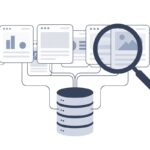
Indexing is what gets your page into search results. Without it, even great content stays invisible and can’t rank or bring in visitors.
The good news? This happens to a lot of bloggers, especially with new posts.
And in most cases, it’s not a serious problem. You can fix it with a few clear steps, and you’re about to learn exactly how.
If you’re using a CMS, learn the root causes of indexing issues across different platforms here.
What Does “Indexed” Mean?
In simple terms, being “indexed” means your page is stored in Google’s database so it can appear in search results when someone looks for related topics.
Before that happens, Google first crawls your page, which means its bots visit and read your content to understand what it’s about.
Crawling and indexing are not the same. Just because Google has seen your page doesn’t mean it has decided to include it in search results.
Indexing is a second step where Google evaluates your page and decides if it’s useful, unique, and worth showing to users. This is why some pages get crawled but not indexed.
If the content is too thin, too similar to other pages, poorly structured, or lacks clear value, Google may choose to skip indexing it.
Technical issues can also play a role, such as accidental “noindex” tags, blocked pages, or weak internal linking that makes the page seem unimportant.
Common Reasons Your Blog Posts Aren’t Getting Indexed
Your Site is Too New
If your website is new, indexing can take longer than expected. Google doesn’t fully trust new domains right away.
This is often called the “sandbox effect,” where new sites are crawled but not prioritized for indexing or ranking until they show consistent quality over time.
A new site usually lacks authority signals like backlinks, user engagement, and publishing history.
Without these signals, Google has less confidence in your content, even if it’s good.
The fix is patience combined with action: publish consistently, improve content quality, and start building links.
Over time, Google begins to recognize your site as reliable, and indexing speeds up.
No Sitemap Submitted
A sitemap is a file that tells search engines exactly which pages exist on your site.
Without it, Google has to rely on links to discover your content, which can slow things down or cause pages to be missed entirely.
An XML sitemap acts like a roadmap, making it easier for search engines to find and prioritize your posts. This is especially important for new sites or blogs with few external links.
Tools like Google Search Console allow you to submit your sitemap directly, which helps Google discover your pages faster and understand your site structure.
If you skip this step, you’re leaving discovery up to chance.
Submitting a sitemap doesn’t guarantee indexing, but it removes a major barrier and gives your content a clear path to being found.
Poor Internal Linking
Internal linking helps Google understand how your pages connect and which ones matter most.
If a blog post has no links pointing to it, it becomes an “orphan page,” which means it’s hard for search engines to find and evaluate.
Even if the page exists, it may not be discovered during regular crawling. Strong internal links act as signals that guide Google through your site and highlight important content.
When you link to a new post from existing pages, especially ones that are already indexed, you increase its visibility and importance.
This not only improves crawling but also gives Google more context about what the page is about.
Without internal links, your content stays isolated. With them, it becomes part of a clear, connected structure that search engines can easily follow and trust.
Low-Quality or Thin Content
Search engines aim to show content that is useful, clear, and original.
Google looks for pages that fully answer a question, provide real value, and offer something different from what already exists.
If your post is too short, vague, or repeats what’s already on other sites, it may be crawled but not indexed. This is often called “thin content.”
Duplicate content can also cause problems, especially if multiple pages say the same thing with little variation.
Google may choose to ignore or filter those pages because they don’t add new value.
AI-generated content isn’t automatically bad, but if it lacks depth, accuracy, or originality, it can fail the quality check.
Focus on helping the reader. Add clear explanations, real examples, and complete answers so your page stands out as worth indexing.
Technical SEO Issues
Sometimes the problem isn’t your content, but it’s how your site is set up.
A “noindex” tag tells search engines not to include a page in search results, and it’s easy to leave this on by mistake.
Your robots.txt file can also block search engines from accessing certain pages, which prevents both crawling and indexing.
Another common issue is incorrect canonical tags.
These tags tell Google which version of a page is the main one, but if set wrong, they can point to a different URL and cause your page to be ignored.
These are small technical settings, but they have a big impact.
One incorrect line of code can stop a page from being indexed completely, even if everything else is done right.
Slow or Unresponsive Website
Page speed and usability play a direct role in indexing. If your site loads slowly or fails to respond properly, search engines may struggle to crawl it efficiently.
Slow pages use more crawl resources, which can limit how many pages get processed.
A poor mobile experience makes things worse, since Google primarily uses mobile versions of sites for indexing.
If your site is hard to use on a phone (text too small, buttons too close, layout broken), it sends a negative signal.
This doesn’t just affect rankings; it can stop pages from being indexed at all.
A fast, stable, and mobile-friendly site makes it easier for search engines to access your content and trust that it delivers a good experience to users.
How to Check If Your Blog Post Is Indexed
Use “site:yourdomain.com/post-url” Search
The quickest way to check indexing is to search your exact URL in Google using the format site:yourdomain.com/post-url. If your page appears, it’s indexed.
If nothing shows, it’s likely not indexed yet. This method is simple and fast, but it’s not always perfect.
Sometimes pages are indexed but don’t show for this exact search right away, especially if they are very new.
Still, it gives you a clear first signal. If your post doesn’t appear here after several days, it’s a sign you should investigate further.
Check URL Inspection in Google Search Console
For a more accurate answer, use the URL Inspection tool inside Google Search Console.
Paste your blog post URL into the tool, and it will tell you if the page is indexed, when it was last crawled, and if there are any issues.
It also shows whether the page is eligible for indexing or being excluded for a specific reason.
This is one of the most reliable ways to diagnose indexing problems because the data comes directly from Google.
If your page is not indexed, you can also request indexing here, which puts your page back in line for review.
Coverage Report Basics
The Coverage report in Google Search Console gives you a broader view of how your pages are performing.
It groups your URLs into categories like “Indexed,” “Discovered – currently not indexed,” and “Crawled – not indexed.”
Each label tells a different story. “Discovered” means Google knows the page exists but hasn’t visited it yet.
“Crawled – not indexed” means Google saw the page but chose not to include it, often due to quality or relevance concerns.
This report helps you spot patterns across multiple posts instead of guessing one page at a time.
Once you understand these labels, you can take targeted action instead of making blind changes.
How to Fix Indexing Issues (Step-by-Step)
1. Submit Your URL to Google
Start by telling Google exactly which page you want indexed. Open Google Search Console and use the URL Inspection tool.
Paste your blog post link into the search bar and check its status. If it says the page is not indexed, you’ll see an option to “Request Indexing.”
This action asks Google to re-crawl your page and review it again. It doesn’t guarantee instant indexing, but it speeds up the process by putting your page back in the queue.
Before submitting, make sure the page loads properly, has no errors, and contains complete content.
Submitting a broken or unfinished page can delay indexing instead of helping it.
2. Submit and Optimize Your Sitemap
A sitemap helps Google find your content faster by listing all your important URLs in one place.
Most platforms like WordPress generate a sitemap automatically, usually found at /sitemap.xml.
If you’re unsure, you can check your domain manually or use an SEO plugin to create one. Once you have it, submit it through Google Search Console under the “Sitemaps” section.
This tells Google where to look and what to prioritize. To optimize your sitemap, include only important, indexable pages.
Remove broken links, duplicate URLs, or pages with no value. Keep it clean and updated.
A well-structured sitemap improves discovery and reduces the chances of your posts being missed.
3. Improve Content Quality
If your page has been crawled but not indexed, content quality is often the reason.
Google looks for pages that fully answer a user’s question and provide clear, useful information.
Add depth by expanding key points, explaining ideas clearly, and including examples where needed.
Make your content original. Avoid repeating what’s already ranking without adding something new. Matching search intent is just as important.
Think about what the reader expects when they search for your topic, then make sure your post delivers exactly that.
When your content is helpful, complete, and easy to understand, it becomes much more likely to pass Google’s indexing checks and appear in search results.
4. Strengthen Internal Linking
Internal links help Google discover and understand your content faster.
When you link to a new blog post from pages that are already indexed, you pass signals that the new page is important.
This increases the chances of it being crawled and considered for indexing.
Focus on linking from high-authority pages on your site, such as your homepage or popular posts. Use clear, relevant anchor text that describes what the linked page is about.
This gives Google context and helps it match your content to the right searches. Avoid vague phrases like “click here.” Instead, use natural wording that reflects the topic.
Strong internal linking creates a clear path for search engines and removes the risk of your page being overlooked.
5. Build Backlinks
Backlinks (links from other websites to your content) act as trust signals. When other sites link to your page, it tells Google your content is worth noticing.
This can speed up both crawling and indexing because your page becomes easier to discover and more credible.
Even a few quality backlinks can make a difference, especially for new sites. Start with simple strategies. Share your posts on social media to increase visibility.
Reach out to other bloggers in your niche and suggest your content as a helpful resource. Submit your site to relevant directories or communities where your audience is active.
The goal is not to get hundreds of links, but to get a few meaningful ones that signal value and relevance.
6. Fix Technical Errors
Technical issues can quietly block indexing, even when everything else looks right. Start by checking for accidental “noindex” tags in your page settings or code.
If this tag is present, Google will not include the page in search results. Next, review your robots.txt file to make sure you are not blocking important pages from being crawled.
A single disallow rule can stop search engines from accessing your content. Finally, look for crawl errors in Google Search Console.
These errors show when Google tries to access a page but fails due to issues like broken links, server errors, or redirects.
Fixing these problems ensures your content is accessible, which is a basic requirement for indexing.
How Long Does Indexing Take?
Indexing can take anywhere from a few hours to several weeks, depending on how easy it is for Google to find, crawl, and trust your page.
New websites often wait longer because they have little history and fewer signals, while established sites with regular traffic and backlinks can see pages indexed much faster.
Several factors influence this speed. Site authority plays a big role; trusted domains get crawled more often.
Internal linking also matters, because well-linked pages are easier to discover.
Content quality is critical; pages that are clear, useful, and original are more likely to be indexed quickly.
Technical health affects timing too, since slow load speeds, crawl errors, or blocked pages can delay the process.
Even how often you publish can make a difference, as active sites tend to be crawled more frequently.
Sometimes, everything is set up correctly, and indexing still takes time. That’s normal. Google processes billions of pages, and not every page is handled instantly.
Patience is part of the process, but it should be active patience.
Keep improving your site, adding content, and building signals so that each new post gets indexed faster than the last.
Pro Tips to Get Indexed Faster
Publish Consistently
Consistency signals activity and reliability to Google. When you publish regularly, Google learns that your site updates often and schedules crawls more frequently.
This increases the chances that new posts are discovered and indexed quickly. You don’t need to post daily, but you should follow a steady schedule you can maintain.
Each new post also strengthens your site as a whole, building a pattern of fresh, relevant content that search engines respond to over time.
Share Posts on Social Media
Sharing your content on social platforms helps it get seen faster. While social signals are not direct ranking factors, they do increase visibility and can lead to faster discovery.
When your post is shared, clicked, or linked to by others, it creates pathways for search engines to find it.
Even a few visits from social channels can trigger crawling, especially for new websites that don’t yet have many backlinks.
Use RSS Feeds
An RSS feed automatically updates whenever you publish new content, making it easier for search engines and feed readers to detect changes on your site.
Most blogging platforms generate an RSS feed by default, and search engines can use it as a signal that your site is active.
Submitting or connecting your RSS feed to tools and aggregators increases the chances of your content being picked up quickly.
It acts as a quiet but effective way to notify systems that new content is available.
Ping Search Engines
Pinging is a method of sending a direct notification to search engines that your site has been updated.
Some platforms do this automatically, but you can also use external ping services to speed things up.
This doesn’t guarantee indexing, but it prompts search engines to revisit your site sooner.
Combined with strong content and proper setup, pinging can reduce delays and help your posts enter the indexing process faster.
When to Worry (And When Not To)
Most indexing delays are normal. If your blog post hasn’t appeared on Google within a few days, that’s not a problem, especially for new sites.
It can take time for Google to crawl and evaluate new content.
As long as your page is accessible, useful, and properly linked, it will usually get indexed eventually. Short delays don’t mean something is broken.
You should start paying closer attention if your content hasn’t been indexed after a few weeks. At that point, it’s worth checking for underlying issues rather than waiting longer.
This is where small problems can turn into bigger ones if ignored.
Normal Delays (No Need to Worry)
- Your site is new and still building trust
- The post was published recently (a few days ago)
- You haven’t submitted the URL yet
- Your site has low traffic or few backlinks
Signs Something Is Seriously Wrong
- The page shows “Crawled – not indexed” for a long time in Google Search Console
- Your page has a “noindex” tag or is blocked in robots.txt
- Multiple posts are not getting indexed at all
- Your content is very thin, duplicated, or lacks clear value
- Your site has technical errors or crawl issues
Final Thoughts
If your blog posts aren’t getting indexed, the fix is usually simple. Make sure your pages can be found, improve your content, and fix any technical issues that might block access.
Submit your URLs, keep your sitemap updated, and add strong internal links. These steps help Google understand and trust your content faster.
Stay consistent. Indexing improves over time as your site grows and sends stronger signals. Keep publishing, keep improving, and your posts will start showing up.
If you’re using WordPress, Shopify, Wix, or Blogger, read this full guide on fixing platform-specific SEO and indexing problems.
FAQs
Your posts may not be indexed due to low-quality content, lack of internal links, technical issues (like noindex tags), or your site being new with low authority.
Submit your URL in Google Search Console, update your sitemap, add internal links, and ensure your content is useful and complete.
Yes, Google can discover and index new blogs automatically, but it may take time unless you actively help it through sitemaps and links.
Yes. If your content is thin, duplicated, or lacks value, Google may crawl it but choose not to index it.
Submit your URL, improve content quality, add internal links, and get at least a few backlinks to speed up discovery and trust.





I’m Alex Crawley, an SEO specialist with 7+ years of hands-on experience helping new websites get indexed on Google. I focus on simplifying technical indexing issues and turning confusing problems into clear, actionable fixes.