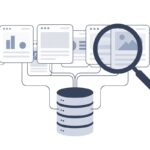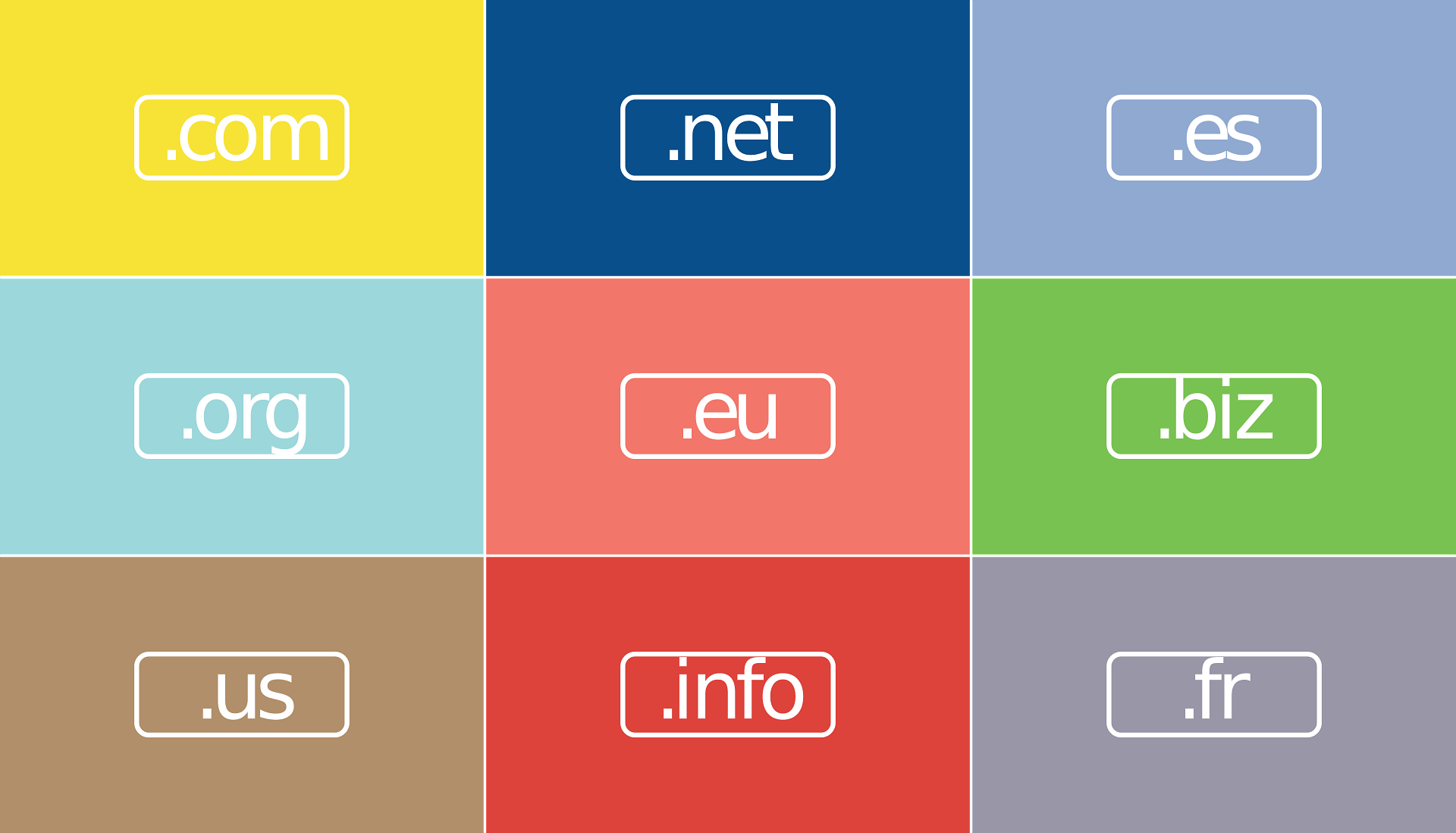
Getting your pages indexed is the first real step in SEO. If Google doesn’t index your site, it won’t show up, no matter how good your content is.
Indexing simply means your pages are discovered, stored, and made eligible to appear in search results.
Speed matters, especially when you’re starting a new site.
The faster your pages get indexed, the sooner you can gain traffic, test content, and grow. Slow indexing delays everything.
This is where the debate begins: should you start with a brand-new domain, or use an expired one with history behind it? One offers a clean slate.
The other may give you a head start.
In this guide, you’ll see exactly how both options affect indexing.
For a complete breakdown, check out this guide to domain trust and indexing.
| Factor | Expired Domains | New Domains |
|---|---|---|
| Indexing Speed | Faster (if signals exist) | Slower at the start |
| Risk Level | Higher (hidden issues possible) | Low (clean slate) |
| Cost | Higher (auctions, demand) | Low (standard registration) |
| Effort Required | High upfront (audit needed) | Lower upfront, more gradual work |
| Long-Term Stability | Depends on history and execution | Strong and predictable |
What Is a New Domain?
A new domain is a website that has never been registered or used before. It has no history, no past content, and no existing signals that search engines can rely on.
When search engines like Google discover a brand-new domain, they treat it with caution.
Since there’s no data to trust yet, they take time to crawl and evaluate the site before fully indexing it.
Common Challenges
- No authority: Search engines have no reason to trust the site yet
- No backlinks: No external signals are pointing to your content
- No history: No past activity to help speed up discovery or indexing
Typical Indexing Timeline
For most new domains, indexing can take anywhere from a few days to a few weeks.
This depends on how quickly search engines discover your pages, how your site is structured, and whether you give clear signals like sitemaps and internal links.
What Is an Expired Domain?
An expired domain is a domain name that was previously registered but not renewed by its owner.
Once it expires, it becomes available again, often with some history still attached to it.
Types of Expired Domains
- Aged domains: Domains that were registered years ago and may still carry authority signals, even if they were never heavily used
- Dropped domains: Domains that fully expire, get released, and return to the open market with their history reset in some cases
- Auction domains: Domains sold through platforms before they fully drop, often because they still have valuable backlinks or traffic
Why Expired Domains Attract SEO Interest
Expired domains are popular because they can come with existing backlinks, authority, and prior indexing.
This can help search engines discover and index new content faster compared to starting from zero.
The Role of Domain History
Not all history is good. A domain’s past use plays a major role in how search engines treat it.
Clean, relevant history can speed things up. Spammy or penalized history can do the opposite and hold your site back.
How Google Indexing Works (Simplified)
Search engines follow a simple process:
Crawling → Indexing → Ranking
- Crawling: Bots discover your pages
- Indexing: Pages are stored and understood
- Ranking: Pages are shown in search results based on relevance
What Helps This Process
- Google Search Console
Let’s you submit pages, request indexing, and monitor what’s getting indexed - Sitemaps
A roadmap of your site that helps search engines find all your pages faster - Internal linking
Connects your pages, making it easier for crawlers to move through your site - Backlinks
External links that signal trust and help search engines discover your content
Why Indexing Speed Varies
Indexing isn’t instant. It depends on how easily your site can be discovered and trusted.
Strong signals like clear structure, good links, and consistent updates can speed things up.
Weak or missing signals slow everything down.
Expired Domains: Advantages for Indexing
Existing Backlinks Can Trigger Faster Discovery
One of the biggest advantages of expired domains is that they often come with existing backlinks.
These are links from other websites that still point to the domain, even after it expires.
Search engines rely heavily on links to discover new pages. If those links are still active, they act as ready-made pathways that lead search engine bots straight to your site.
In many cases, this allows expired domains to get crawled much faster than brand-new domains.
The key point is simple: you’re not starting from zero. The domain may already exist in the web’s link network, making it easier for search engines to find it again.
Pre-Existing Authority Signals
Expired domains can also carry over authority signals built over time. This includes factors like domain age, trust, and the overall strength of the backlink profile.
While authority alone doesn’t guarantee fast indexing, it still plays a role in how search engines evaluate a site.
A domain that has been previously used, crawled, and indexed often appears more trustworthy than a brand-new one.
This can reduce the hesitation search engines typically have with new domains. Instead of starting from scratch, you’re building on an existing foundation.
Previously Indexed Pages Can Help
Another advantage is that many expired domains were already indexed in the past. This means search engines are familiar with the domain and may have stored data about it.
When the domain becomes active again, search engines may revisit it faster because they’ve seen it before.
This process is often referred to as “rediscovery.” If old URLs are still linked somewhere online, they can lead crawlers back to the domain naturally.
In simple terms, the domain isn’t completely new in the eyes of search engines, but it’s something they recognize.
Potential for Instant or Near-Instant Indexing
In the best-case scenario, expired domains can get indexed very quickly and sometimes within days.
This usually happens when the domain still has strong, active backlinks and clear crawl paths.
Recent tests have shown that a large portion of expired domains with solid link signals were crawled and indexed in a short time frame, especially when they had multiple referring domains and visible links on frequently crawled pages.
However, this isn’t guaranteed. Fast indexing depends on whether those old signals are still active and useful.
When they are, the speed difference compared to a new domain can be significant.
Expired Domains: Risks and Downsides
Toxic Backlink Profiles
Not all backlinks are good. Some expired domains come with links from spammy, low-quality, or irrelevant websites.
Search engines like Google evaluate link quality, not just quantity. If a domain has a history of manipulative or unnatural links, those signals can carry over.
Instead of helping with indexing, they can slow it down or even trigger distrust.
In simple terms, bad links don’t just disappear when you buy the domain. You inherit them.
Previous Penalties or Spam History
Some domains expire for a reason. They may have been used for spam, low-quality content, or aggressive SEO tactics.
If a domain was penalized in the past, that history can still affect how search engines treat it.
Even if the penalty is no longer active, the domain may be flagged as low trust. This can lead to slower crawling, delayed indexing, or poor visibility.
You’re not just buying a name, but you’re buying its reputation.
Deindexed Domains
In more serious cases, a domain may have been completely removed from search results. This is known as deindexing.
If a domain was deindexed due to policy violations or spam, getting it indexed again can be difficult.
Simply publishing new content doesn’t guarantee recovery. Search engines may ignore the domain until strong trust signals are rebuilt over time.
This is one of the biggest risks, because it directly blocks indexing.
Relevance Mismatch with New Content
Search engines rely on context. If a domain previously focused on one topic and is suddenly used for something completely different, it can create confusion.
For example, a domain that once covered health topics being reused for tech content may not perform well.
The old backlinks and signals may no longer match the new content.
This mismatch can weaken the value of existing links and slow down indexing instead of helping it.
The Need for Proper Domain Vetting
Expired domains can work well, but only if they are carefully checked before use.
You need to review:
- Backlink quality
- Past content and niche
- Indexing status
- Overall domain history
Skipping this step is where most problems start. A good expired domain can speed things up. A bad one can hold your site back from day one.
The difference comes down to research and selection.
New Domains: Advantages
Clean Slate (No Penalties or Bad History)
A new domain starts with no past attached to it. There are no old backlinks, no spam signals, and no hidden penalties.
Search engines like Google treat it as a fresh project. While this means you don’t get a head start, it also means nothing is working against you.
You are building from zero, but it’s a clean zero. That removes uncertainty and gives you full control over how the site is perceived from day one.
Full Control Over Branding and Niche
With a new domain, you decide everything. The name, the topic, the structure, and the direction are all aligned from the start.
There’s no need to match old content or worry about past relevance. Every page you publish builds a clear, consistent signal about what your site is about.
This clarity helps search engines understand your site faster over time. It also makes your content strategy easier to manage.
Lower Risk Overall
New domains are predictable. You don’t have to worry about hidden issues like toxic backlinks or past penalties.
What you build is what you get. If something goes wrong, it’s usually easy to trace and fix because there’s no unknown history involved.
This makes new domains a safer choice, especially if you’re not experienced with domain audits or SEO troubleshooting.
Easier to Build Long-Term Trust
Trust takes time, but it’s easier to build when everything is consistent.
With a new domain, every backlink, every page, and every signal is earned naturally. There’s no conflict between past and present.
Over time, this creates a strong, stable foundation. Search engines learn to trust your site based on your actual work and not inherited signals.
It may take longer to get started, but the growth is more reliable and easier to maintain.
New Domains: Challenges for Indexing
Slower Initial Crawl Rate
New domains are not crawled aggressively at the start. Search engines like Google use a crawl budget, and new sites usually get a very small share of it.
This means bots visit less often and discover pages more slowly. If your site isn’t updated regularly or well-structured, some pages may take longer to even be seen.
In simple terms, your site is not a priority yet.
No Backlinks or Authority
New domains have no external signals pointing to them. There are no backlinks to guide search engines to your content.
Backlinks act as discovery paths and trust signals. Without them, search engines rely mostly on direct submissions and internal signals.
This slows down both discovery and indexing.
You’re starting without any support from the wider web.
Dependence on Strong Site Signals
Because there are no external signals, everything depends on how well your site is set up.
- Internal linking
Helps search engines move between your pages and understand your structure - Sitemap submission
Submitting your sitemap through Google Search Console helps search engines find your pages faster - Content quality
Clear, useful content makes it easier for search engines to process and index your pages
If these elements are weak or missing, indexing slows down even more.
Possible “Sandbox-Like” Delay (Theoretical)
Many site owners notice that new domains take time before gaining visibility, even after being indexed. This is often called the “sandbox effect.”
While Google has never officially confirmed this as a fixed system, the pattern is widely observed. New sites may be crawled and indexed, but still struggle to gain traction early on.
Basically, indexing can happen, but growth may still take time. This delay is normal and improves as your site builds trust and signals.
Direct Comparison: Expired vs New Domains
Speed of Indexing
Expired domains often get indexed faster. This is mainly due to existing backlinks and past crawl history.
Search engines like Google may already know the domain, which speeds up discovery.
New domains usually take longer. No signals are pointing to them, so search engines need time to find and evaluate the site.
If speed is your priority, expired domains have the edge, but only when the history is clean.
Risk Level
Expired domains carry more risk. You might inherit spammy links, penalties, or a damaged reputation without realizing it.
New domains are low risk. There is no history to worry about, which makes outcomes more predictable.
In simple terms, expired domains can either help or hurt. New domains are safer but slower.
Cost
Expired domains can be expensive, especially if they have strong backlinks or high demand. Auction domains often sell at premium prices.
New domains are cheap and widely available. You can register one at a low cost without competing in auctions.
The higher price of expired domains reflects their potential advantage, but it also increases the stakes.
Effort Required
Expired domains require more upfront work. You need to:
- Check backlink quality
- Review past content
- Confirm indexing status
Skipping this step can lead to problems later.
New domains require less initial effort. You can focus directly on building content and structure without auditing past data.
However, they require more patience over time.
Long-Term SEO Stability
New domains are more stable in the long run. Every signal is built naturally, which creates a consistent and reliable foundation.
Expired domains can be stable, but only if they are carefully chosen and aligned with your content. If not, past issues can surface later and affect performance.
Long-term success depends less on the domain type and more on how well the site is built and maintained.
When to Choose an Expired Domain
- You need faster indexing
Expired domains can be discovered and indexed quicker due to existing backlinks and prior crawl history - You understand backlink analysis
You can identify high-quality links and avoid toxic ones that could harm your site - You can audit domain history properly
You know how to check past content, penalties, and indexing status before using the domain - You’re building niche or affiliate sites
These projects often benefit from quicker traction and can leverage existing authority effectively
When to Choose a New Domain
- You want a safe, long-term project
A new domain has no history, so you avoid hidden risks and build a stable foundation from the start - You’re building a brand
It allows you to create a clear identity and consistent message without being tied to past use - You lack experience with domain audits
You don’t need to analyze backlinks or history, which reduces the chance of costly mistakes - You prefer predictable SEO growth
Progress may be slower, but it’s steady and easier to manage without unexpected issues
Best Practices for Faster Indexing (Both Cases)
Submit Your Sitemap Early
Start by submitting your sitemap through Google Search Console. This gives search engines a clear list of your pages and helps them find your content faster.
A sitemap doesn’t guarantee indexing, but it removes guesswork. Instead of waiting for discovery, you’re directly telling search engines where to look.
Build Strong Internal Links
Internal links help search engines move through your site. When one page gets discovered, linked pages can be found and crawled faster.
A clear structure also helps search engines understand which pages matter most. Important pages should be easy to reach within a few clicks.
If your pages are isolated, they are more likely to be missed or delayed in indexing.
Publish High-Quality Content Consistently
Search engines prioritize useful, clear, and original content. Pages that provide real value are more likely to be indexed and revisited.
Consistency matters just as much as quality. Regular updates signal that your site is active, which can lead to more frequent crawling.
You don’t need to publish daily. You need to publish content that deserves to be indexed.
Get Initial Backlinks
Backlinks are one of the strongest discovery signals. Even a few quality links can help search engines find your site faster.
Focus on relevant, natural links rather than volume. A single strong link from a trusted site can be more effective than many weak ones.
These links act as entry points that bring search engine bots to your pages.
Use Social Signals for Discovery
Sharing your content on platforms like Facebook or X can help with early discovery.
While social signals are not direct ranking factors, they increase visibility.
More visibility means a higher chance that your content gets noticed, visited, and linked to.
This creates additional paths for search engines to find and crawl your site faster.
Common Mistakes to Avoid
Buying Expired Domains Without Checking History
Not all expired domains are valuable. Some carry spam, penalties, or irrelevant backlinks that can hurt your site from the start.
Before using any expired domain, you need to check its backlink profile, past content, and indexing status.
Skipping this step often leads to slow indexing or complete failure to rank.
A quick purchase can turn into a long-term problem.
Ignoring Indexing Issues
Many site owners assume their pages are indexed when they’re not. This leads to wasted time creating content that never appears in search results.
Use tools like Google Search Console to confirm which pages are indexed. If pages are missing, fix the issue early.
Indexing problems don’t fix themselves. They need attention.
Publishing Thin or Low-Quality Content
Search engines prioritize useful, clear, and original content. Pages with little value, duplicate information, or poor structure are often ignored.
Even if your site gets crawled, low-quality pages may not be indexed at all.
Every page should serve a purpose. If it doesn’t help the reader, it won’t help your site.
Over-Relying on Backlinks
Backlinks help with discovery, but they are not a shortcut to indexing. If your site has weak content or poor structure, links alone won’t fix it.
Search engines evaluate the full picture. Strong content, clear structure, and good user experience matter just as much.
Think of backlinks as support, not a solution.
Not Monitoring Indexing Status
If you’re not tracking indexing, you’re working blindly. You won’t know what’s working or what needs fixing.
Regularly check your indexed pages, crawl status, and any reported issues. This helps you spot problems early and adjust your strategy.
Control comes from visibility. If you can see what’s happening, you can improve it.
Final Thoughts
Expired domains can give you a head start with faster discovery and indexing. New domains offer a clean, stable path with fewer risks.
The real difference comes down to execution. Strong structure, quality content, and clear signals matter more than the domain type itself.
Choose based on your goal. If you want speed and can manage the risks, an expired domain can work.
If you want control and long-term stability, a new domain is the safer choice.
Struggling to get indexed? See how domain trust impacts your site’s visibility.
FAQs
No. They can be faster if they have strong, clean backlinks, but a poor history can slow or block indexing.
Yes. Toxic backlinks, spam history, or past penalties can negatively affect indexing and rankings.
It can be, but only if the domain is properly vetted. A good domain helps; a bad one creates problems.
Usually, a few days to a few weeks, depending on site setup, content quality, and discovery signals.
No. Google still evaluates past signals, even after ownership changes.




I’m Alex Crawley, an SEO specialist with 7+ years of hands-on experience helping new websites get indexed on Google. I focus on simplifying technical indexing issues and turning confusing problems into clear, actionable fixes.