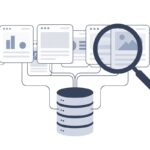
Getting your page indexed means Google has found it, understood it, and added it to its search results. No indexing means no rankings. Simple as that.
But here’s the frustrating part. Some pages show up in minutes, while others sit unnoticed for days or even weeks. It can feel random, but it isn’t.
Indexing speed depends on a mix of factors, like your site’s trust, structure, content quality, and how easily search engines can access your pages.
Once you understand these, you’re no longer guessing; you’re in control.
Before making any drastic changes, read how domain trust affects Google indexing.
What Does “Indexing” Actually Mean?
Indexing is the process by which a search engine like Google takes a page it has discovered, understands what it’s about, and stores it in its database so it can appear in search results.
Before that happens, the page must first be crawled, which simply means a bot (like Googlebot) visits your page and reads its content. This is discovery, not approval.
Indexing comes next, and this is where Google decides if your page is worth keeping.
It analyzes your text, images, structure, and signals like links to understand the topic and quality.
If the page passes that evaluation, it gets added to Google’s index, which is essentially a massive library of web pages.
From there, ranking begins. Google compares your indexed page against others to decide where it should appear in search results based on relevance, quality, and user intent.
If your page isn’t indexed, it cannot rank at all, no matter how good it is. That’s why indexing is the first critical step; without it, your content stays invisible.
Why Some Sites Get Indexed Instantly
Strong Domain Authority
Search engines don’t treat every website the same.
Older, well-established sites with a strong history of publishing useful content are trusted more, so their pages are crawled and indexed faster.
This trust is built over time through consistent quality and backlinks from other reputable sites, which act like votes of confidence.
When many credible websites link to your pages, search engines see your site as reliable and worth revisiting often.
As a result, new content on these domains is discovered quickly and pushed into the index with little delay, because the search engine expects it to meet a certain standard.
Frequent Crawling by Search Engines
Some websites are visited by search engine bots far more often than others.
This usually happens when a site publishes content regularly or gets steady traffic, signaling that it’s active and worth checking frequently.
News websites are a clear example. They publish constantly, so search engines crawl them multiple times a day.
The same applies to active blogs or large platforms that update content daily.
When your site is crawled often, new pages are found almost immediately, which shortens the time it takes for them to be indexed.
High-Quality Content Signals
Content plays a direct role in how quickly a page gets indexed. Pages that are original, useful, and clearly written are easier for search engines to understand and trust.
If your content directly answers a question, stays on topic, and is structured with clear headings and logical flow, it sends strong quality signals.
On the other hand, thin or duplicate content may still be crawled but often won’t be indexed right away, or at all.
Clear topical relevance also matters; when your page fits naturally within your site’s overall theme, search engines can quickly determine where it belongs.
Solid Internal Linking
Internal links act as pathways that guide search engine bots through your site.
When a new page is linked from existing indexed pages, especially ones that are already trusted, it becomes much easier for search engines to discover it quickly.
A well-organized site structure ensures that no page is isolated or buried too deeply.
If your pages are connected logically, bots can move through your content efficiently, which speeds up both discovery and indexing.
Without internal links, even good pages can go unnoticed for longer than expected.
XML Sitemap & Proper Submission
An XML sitemap is a file that lists your important pages and helps search engines find them faster.
It acts like a roadmap, showing exactly what content exists on your site and where to look.
When you submit your sitemap through tools like Google Search Console, you’re giving search engines a direct signal to check those pages.
While submission doesn’t guarantee instant indexing, it removes guesswork and speeds up discovery, especially for new sites or recently published pages.
Why Some Sites Take Longer to Index
New Domains (Low Trust)
New websites start with no history, no authority, and no proven track record, which makes search engines more cautious.
Until your site shows consistent quality and reliability, it may be crawled less often and indexed more slowly.
This is sometimes described as a “sandbox-like” phase, where new domains are observed before being fully trusted. It’s not a penalty, but it’s a filtering process.
As you publish useful content and gain signals like links and engagement, that trust builds, and indexing speeds up.
Poor Site Structure
If your site is hard to navigate, search engines struggle to find and understand your pages.
Orphan pages (those with no internal links pointing to them) are especially difficult to discover because there’s no clear path leading to them.
Weak internal linking also spreads authority thin, making it harder for important pages to stand out.
When your structure is messy or too deep, crawl efficiency drops, meaning bots may miss pages or take longer to reach them.
A clean, logical structure helps search engines move quickly and index more reliably.
Low-Quality or Thin Content
Not every page that gets crawled gets indexed. If your content is too short, duplicated, or doesn’t provide real value, search engines may choose to ignore it.
Pages that repeat information already available elsewhere, or that lack depth and clarity, don’t give search engines a reason to include them in the index.
Uniqueness matters. When your content clearly answers a question or solves a problem better than existing pages, it’s far more likely to be indexed quickly.
Technical Issues
Sometimes the problem isn’t your content, but it’s your setup. A page with a “noindex” tag tells search engines not to include it, even if everything else is correct.
A blocked robots.txt file can prevent bots from accessing your pages entirely. Slow loading speeds or server errors can also interrupt crawling, causing delays or skipped pages.
These issues are often overlooked but have a direct impact on whether your pages get indexed at all.
Lack of Backlinks
Search engines rely on links to discover new content. If no other websites are linking to your pages, there are fewer signals pointing bots in your direction.
This slows down discovery, especially for new sites. Backlinks also act as trust signals, helping search engines decide whether your content is worth indexing.
Without them, your pages may still get indexed, but the process is usually slower and less consistent.
Key Factors That Influence Indexing Speed
- Crawl Budget
This is the number of pages a search engine chooses to crawl on your site within a given time. Larger or more trusted sites usually get a higher crawl budget, meaning more pages are discovered and processed faster. If your site has many low-value pages or errors, that budget gets wasted, slowing down indexing for important content. - Domain Trust
Search engines prioritize sites they trust. Trust is built through consistent quality, strong backlinks, and a clean history. The more reliable your site appears, the more often it gets crawled, and the faster new pages are indexed. - Content Freshness
Recently published or updated content often gets attention first, especially on active sites. Fresh content signals that your site is alive and worth revisiting. Regular updates can encourage search engines to crawl your pages more frequently. - Website Activity Frequency
Sites that publish content consistently tend to get crawled more often. Even small but regular updates can train search engines to check your site more frequently, which speeds up indexing over time. - Technical SEO Health
Clean code, fast loading speeds, and proper indexing settings make it easy for search engines to crawl and store your pages. Issues like broken links, server errors, or blocked pages can slow or stop indexing completely.
How to Get Your Pages Indexed Faster
Submit URLs Manually
If you want faster indexing, don’t wait for search engines to find your page on their own. Submit it directly using Google Search Console.
The URL inspection tool lets you request indexing, which pushes your page into Google’s crawl queue.
This doesn’t guarantee instant indexing, but it removes delays in discovery and gives your page a clear starting point.
Improve Internal Linking
Search engines follow links to discover content.
When you link a new page from pages that are already indexed, especially ones that get regular traffic, you create a direct path for bots to find it quickly.
Place links naturally within relevant content, not just in menus or footers.
The stronger and more connected your internal linking is, the faster new pages get picked up.
Publish High-Quality Content Consistently
Quality speeds up trust, and trust speeds up indexing.
When your content is useful, original, and clearly focused on a topic, search engines are more likely to index it quickly.
Consistency matters just as much.
Publishing regularly trains search engines to revisit your site more often, reducing the time it takes for new pages to be discovered and indexed.
Build Initial Backlinks
Backlinks help search engines find your content and signal that it’s worth paying attention to.
Even a few links from relevant sources can speed up discovery.
Share your content on social platforms, list your site in directories or citations, and reach out for mentions where it makes sense.
These early signals can make a noticeable difference, especially for new sites.
Optimize Technical SEO
Technical issues can quietly block or delay indexing.
Check that your pages are not accidentally set to “noindex,” and make sure your robots.txt file isn’t blocking important content.
Fix crawl errors, remove broken links, and ensure your pages load quickly.
A fast, clean, and accessible site makes it easy for search engines to crawl and index your content without friction.
Common Indexing Myths
- “Google indexes everything instantly”
Google does not index pages the moment they are published. Some pages are discovered and indexed quickly, but many take time depending on crawl frequency, site trust, and content quality. If your site isn’t crawled often, your pages won’t be indexed instantly. - “Backlinks guarantee indexing”
Backlinks help with discovery and trust, but they do not guarantee indexing. If the content is low quality, duplicated, or technically blocked, Google may still choose not to index it, even if it has links pointing to it. - “New sites can’t rank at all”
New sites can rank, but they need to earn trust first. Without authority or backlinks, it may take longer to get indexed and compete. However, well-targeted, high-quality content can still rank, even on a new domain.
Realistic Indexing Timelines
Indexing speed is not fixed, and the difference between new and established sites can be significant.
For new websites, indexing typically takes anywhere from a few days to several weeks because search engines are still learning whether the site can be trusted, how often it updates, and whether its content is worth storing.
With little to no backlinks and low crawl frequency, discovery alone can take time.
In contrast, established sites with strong authority, regular updates, and consistent traffic are crawled much more often, which means new pages can be indexed within minutes or hours after publishing.
These timelines vary because indexing depends on multiple factors working together, like crawl frequency, site trust, internal linking, content quality, and technical health, all of which play a role.
If any of these are weak, indexing slows down; when they are strong, the process becomes much faster and more predictable.
Final Thoughts
Indexing speed comes down to trust, structure, and content quality. When these are strong, pages get discovered and indexed faster.
Focus on the basics, like clear site structure, useful content, and a healthy technical setup.
Quick wins can help, but steady, consistent effort is what makes indexing faster over time.
To avoid common mistakes, check out this complete domain trust guide.
FAQs
It may not be discovered, or Google may see it as low value, poorly linked, or blocked by technical issues.
It can take anywhere from a few minutes to several weeks, depending on your site’s authority and crawl frequency.
Yes, older domains are often trusted more, which can lead to faster crawling and indexing.
No, but you can request indexing using Google Search Console and improve your site’s signals.
Submit your URL, add internal links from indexed pages, and ensure your content is high quality and easy to crawl.





I’m Alex Crawley, an SEO specialist with 7+ years of hands-on experience helping new websites get indexed on Google. I focus on simplifying technical indexing issues and turning confusing problems into clear, actionable fixes.